

[For Seniors] Winter Classics to Sing in January: Heartwarming Moments with Nostalgic Children’s Songs and Kayōkyoku (Japanese Popular Songs)


January marks the beginning of a new year and the deepening chill of winter.
On such wintry days, why not enjoy songs perfect for the season in the warmth of your home? Nostalgic classics that sing of snowy landscapes and scenes from northern regions have a special charm that warms the heart.
This time, we’ll introduce a rich selection of enka and children’s songs that beautifully depict the arrival of winter and feelings for one’s hometown.
Singing together will bring back old memories and naturally fill the moment with smiles.
May you enjoy a wonderful time, with both heart and body gently warmed through song.
- [For Seniors] Winter songs you'll want to hum along to. A collection of classic tunes recommended for BGM and recreational activities
- [For Seniors] Recommended Songs for New Year’s Parties: Nursery Rhymes, Children’s Songs, and Popular Songs to Liven Up Even on Cold Days
- [For Seniors] Beloved songs to sing in December: heartwarming moments with nostalgic kayōkyoku and children’s songs
- [For Seniors] Songs Everyone Can Sing Together! A Roundup of Recommended Crowd-Pleasers
- [For Seniors] February Songs You’ll Want to Hum: Enjoy Winter with Nostalgic Classics
- [New Year’s Songs] Timeless classics and popular New Year tunes you’ll want to listen to at the start of the year
- Ranking of popular songs for senior citizens
- [Winter Songs] Classic Showa-era masterpieces. Popular songs you’ll want to listen to in winter.
- Recommended Christmas songs for people in their 70s: A collection of classic winter hits from the Showa era
- [For Seniors] Popular Karaoke Songs That Everyone Can Enjoy Together
- [For Seniors] Crowd-Pleasers! A Collection of Classic Karaoke Songs
- [For people in their 90s] Recommended Christmas songs: from nostalgic school songs and hymns to timeless classics
- Performances to Liven Up New Year Parties for Elderly Care Facility Staff
[For Seniors] Classic Winter Songs to Sing in January: Heartwarming Moments with Nostalgic Children's Songs and Kayōkyoku (1–10)
Snow TrainMaekawa Kiyoshi

This is a classic by Kiyoshi Maekawa that sings of winter travel, set against snowy landscapes and scenes of a passing train.
Released as a single in October 1982, it’s known as an ambitious work with lyrics by Shigesato Itoi and music by Ryuichi Sakamoto.
There’s even an anecdote that Sakamoto spent three days recording, trying to recreate the resonance of Japanese taiko drums using a drum kit, resulting in a modern sound that transcends the enka genre.
The image of a train running through quietly falling snow comes vividly to mind, and the feelings for one’s hometown and the ache of parting gently resonate in the heart.
On a cold winter’s day, singing it together indoors might bring back memories of journeys from long ago.
North TavernHosokawa Takashi
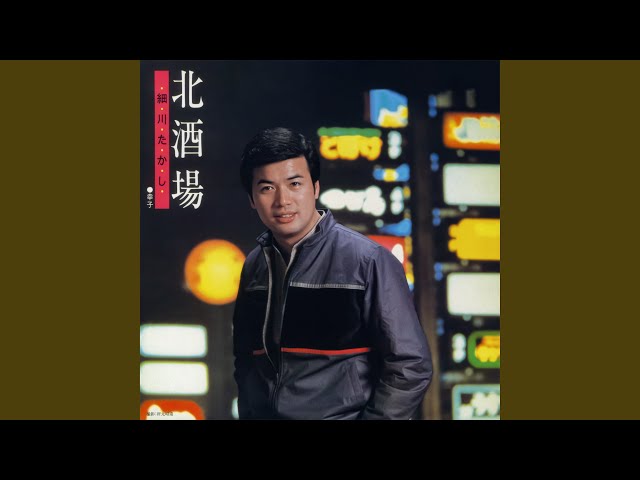
This work was released in 1982 by singer Takashi Hosokawa, who has been active since the 1970s.
Set to a lively melody typical of Showa-era kayōkyoku, it portrays an adult romance unfolding in a bar in a northern town.
The fateful encounter with someone who lights his cigarette, and the poignancy of a man reminiscing over a tilted glass, leave a strong impression.
A classic that won the Grand Prix at both the Japan Record Awards and the Japan Cable Radio Awards, it also ranked fifth on the annual Oricon chart and remains a karaoke favorite.
Since it centers on themes of alcohol and love, it’s great to listen to while sharing memories.
Singing along or adding chorus to his gentle vocals will make it even more fun.
Tsugaru Jongara-bushiHosokawa Takashi

This song is a full-fledged reinterpretation by Takashi Hosokawa of a folk tune that powerfully sings of the scenery and climate of the Tsugaru region.
With lyrics that conjure up images of local vistas like Mount Iwaki and apple orchards, the driving sound of the shamisen leaves a strong impression.
The distinctive melodic inflections, drawing on folk-music technique, convey pride and affection for the homeland.
It was included on the album “Bokyō” (Nostalgia), released in December 1978, and was also performed earlier that year, in January, on Fuji TV’s Night Hit Studio.
It’s a perfect track for reminiscing about your hometown while picturing Tsugaru’s winter landscapes.
Try clapping along to the shamisen’s rhythm, or sing along together with everyone.
[For Seniors] Classic Winter Songs to Sing in January: Heartwarming Moments with Nostalgic Children's Songs and Kayōkyoku (11–20)
fresh snowSakushi: Saeki Takao / Sakkyoku: Sasaki Shun’ichi

This song, released in 1942 as the theme for a Daiei film, features lyrics by Takao Saeki, music by Shun’ichi Sasaki, and vocals by Katsuhiko Haida.
Its memorable lyrics evoke the feeling of gazing up at snow-covered peaks tinged with violet haze and overlay a prayer for youth upon the pure, sunlit snowscape.
The imagery of snowy mountains conveys the hopes of youth and a resolve for the future.
Haida’s clear, expansive tenor blends beautifully with the gentle melody, and the song has been cherished across generations—sung even after the war on programs like the NHK Kōhaku Uta Gassen.
As the snow begins to fall, why not hum it while picturing winter’s scenes? It’s a heartwarming winter classic, especially recommended for those who love mountains and nature.
mochi poundingSakushi: Amano Chou / Sakkyoku: Ichinomiya Michiko

This children’s song energetically celebrates mochitsuki, a traditional New Year’s custom.
With lyrics by Chō Amano and music by Michiko Ichimiya, it has long been beloved in early childhood education.
Onomatopoeic words that mimic the sound of the pestle striking the mortar bounce in rhythmic repetition, creating a lively beat that makes the act of pounding rice itself feel like music.
Its bright major-key melody and easy-to-remember lyrics naturally get bodies moving.
Included in a 2004 music collection for preschool use, it has become a staple for New Year’s festivities.
Singing it together face-to-face while clapping or pretending to pound mochi may bring back fond memories of New Year’s past.
January 1st

A song I’d like to recommend for the start of the New Year is “Ichigatsu Tsuitachi” (January First).
While there are three versions with different lyricists and composers, the one most widely known is the 1893 version with lyrics by Sonpu Senge and music by Masayuki Ue.
Many people may recognize it as the theme song of Fuji TV’s New Year’s variety program “Shinshun Kakushigei Taikai,” which aired from 1964 to 2010.
Senge served as the chief priest of Izumo Taisha, the grand shrine where the gods are said to gather, so the song can truly impart a sense of solemnity.
Even so, it’s a familiar children’s song that is also accessible to older listeners.
It’s perfectly suited to New Year’s Day and brings a refreshing feeling.

wintering swallowMori Masako

Masako Mori’s ‘Etto Tsubame’ (Wintering Swallow) is a classic that poignantly portrays a bittersweet love, using a swallow taking flight in winter as its motif.
The memorable phrase “Hyururi hyururirara” really resonates, doesn’t it? Released in 1983, this gem won the Japan Record Award for Best Vocal Performance.
It’s a song familiar to many seniors as well, so everyone can hum along.
It’s also enjoyable to listen while picturing the scenes painted by the lyrics.
It will bring back nostalgic memories and give you a warm, comforting time.
Highly recommended on a cold winter’s day.