



Japanese blues with enduring popularity.
It may not be widely known to the general public, but among Japanese music genres, it’s actually one of the highest in overall quality—and there are powerhouse singers with global recognition.
This time, we’ve picked out some classic albums from the world of Japanese blues.
Japanese blues that hardcore music fans especially love…
If you haven’t been interested in Japanese blues until now, you might be surprised by how high the level is!
Of course, we’ve also included some lesser-known masterpieces, so it’s a must-see for hardcore blues aficionados as well!
- A classic of Japanese blues. Japanese blues that lets you get drunk on the sound and vocals.
- Classic and popular blues songs to sing at karaoke
- Blues masterpieces—from prewar blues to blues rock
- Ranking of popular blues songs
- The Appeal of Japanese Blues Rock: A Collection of Classic Japanese Blues Rock Albums
- A Japanese blues band. The roots music of contemporary pop.
- [Hidden Gem] Japanese Songs You'll Want to Share with Someone Right Now
- Nostalgic yet fresh!? Classic masterpieces of Japanese rock from the 1970s and 1980s
- The depth of guitar sound. A collection of songs with cool guitar.
- A masterpiece of Japanese black music. A noteworthy work embodying the soul of black music.
- [Western Music] Classic Blues Rock Songs: A Summary of Recommended Popular Tracks
- Debut songs by Japanese female artists [Shocking hits & must-know classics]
- Masterpieces and Popular Songs by THE BLUE HEARTS
Masterpieces of Japanese Blues: Must-Listen Recommended Albums (1–10)
Blues After HoursUesuto Rōdo Burūsu Bando
The West Road Blues Band, which revolutionized Japan’s blues scene.
Released in 1975, Blues Power is their landmark debut album.
It features a distinctive sound that fuses electric blues and blues rock with elements of traditional Japanese music.
This album is packed with the appeal of a powerhouse band that even opened for B.B.
King.
It’s recommended not only for blues fans but also for anyone who wants to explore the depth of Japanese music.
The more you listen, the more it resonates—a timeless classic.
to be surrounded on all sides; isolated with no allies (literally: ‘songs of Chu on all four sides’)Yūkadan

Yukadan, formed in Osaka in 1970.
They’re a blues band known for the striking husky voice of Atsuki Kimura, often called the “angelic raspy voice.” Their 1978 release Shimensoka is an experimental album that incorporates elements of rock and soul.
Tracks like the title song Shimensoka and Yoake no Lullaby showcase the band’s unique character, and their diverse, deeply rooted musicality left an important mark on Japanese music history.
After the Great Hanshin-Awaji Earthquake, they also held benefit concerts for recovery efforts, and their social engagement has been well regarded.
Highly recommended not only for fans of blues and rock, but also for anyone interested in the Japanese music scene.
Let’s enjoy it until the end.Azuma Mitsuyoshi & The Swinging Boppers

Mitsuyoshi Azuma & The Swinging Boppers are the pioneers who rooted the soul of jump blues in Japan.
Their commitment to making music while holding down day jobs is truly moving.
“Seven & Bi-decade” is a landmark album marking the band’s 27th year.
Jump, jive, blues, calypso—its variety is like a musical buffet.
They focus on an organic sound and deliberately avoid any modern digital editing, which is another key point.
Packed with live favorites and new tracks, it’s a must-listen for blues fans.
Since coming to SapporoSukaidoggu Burūsu Bando

The Skydog Blues Band is a Japanese blues band formed in Sapporo in 1975.
Known as torchbearers of traditional Chicago blues, they have a unique style of singing the blues with Japanese lyrics.
Kita 27 Nishi 4: Since I Came to Sapporo is their second and final studio album, released on February 2, 1978.
Comprising 11 original tracks, it features a relaxed sound rooted in the blues while incorporating elements of folk rock.
The band members handled all lyrics, composition, and arrangement, leaving a significant mark on Japan’s blues-rock scene.
It’s highly recommended for anyone who wants to feel the spirit of Chicago blues while enjoying Japanese lyrics.
Bobby Sox BluesSeno Ryūichirō

Ryuichiro Senoo is a leading figure in Japan’s blues harmonica scene, renowned for his skill to the point of being nicknamed “Weeping Harp Senoo.” Messin’ Around is his debut album, released in 1976.
It’s a record packed with the appeal of the blues harp, characterized by a structure that also incorporates elements of rock and pop.
Talented musicians like Kantaro Uchida and Fusanosuke Kondo take part, adding to its musical breadth.
Still highly regarded today as a work that had a major impact on Japan’s blues scene, it’s a recommended listen not only for blues fans but also for anyone interested in the roots of Japanese popular music.
Honmoku BluesZa Gōruden Kappusu
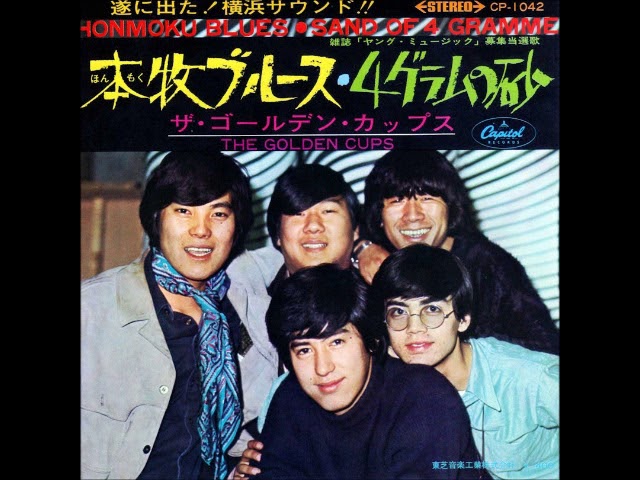
The Golden Cups, a legendary Group Sounds band that shines in the history of Japanese rock.
Their third album, Blues Message, released in March 1969, stands as a landmark of Japanese blues.
Embracing the then-rare style of blues rock, it features a number of tracks heavily influenced by American blues.
Drawing on bandleader Dave Hirao’s experiences in the United States, this work had a major impact on the Japanese music scene.
Highly recommended not only for blues fans but also for anyone interested in the dawn of Japanese rock.
Blue Spirit BluesAsakawa Maki

Maki Asakawa is known as a leading songstress of Japan’s blues scene.
Her signature work, Blue Spirit Blues, is her eighth album, released in 1972.
Centered on the blues, it captivates with a unique sound world that weaves in elements of rock, folk, and soul.
Asakawa’s soulful vocals and lyrics that incisively capture society and the human interior hit straight to the heart.
It’s a must-listen not only for blues fans but for anyone seeking deep musicianship.
The more you listen, the more you’ll find yourself drawn into Maki Asakawa’s allure.