

[2026] Japanese jazz singer. A jazz vocalist representing Japan’s domestic jazz scene.

There are many Japanese jazz musicians who are recognized worldwide, but there may be surprisingly few people who can immediately name a representative Japanese jazz singer.
The history of jazz singers in Japan actually goes back to before World War II.
After the war, a string of hit songs based on jazz emerged, and many stars beloved by the public were born.
With that history in mind, this article spotlights Japanese jazz singers from a broad perspective!
From legendary superstars with a foundation in jazz to pure jazz vocalists, and even those unexpected artists who actually sang jazz—we’ll bring you a richly varied selection!
- Male singers with great voices: a collection of cool, seductive vocals
- [2026] A Collection of Classic Japanese Ballads with a Jazz Flavor
- [Overwhelming Vocal Ability] A Compilation of Popular Female Singers
- A Japanese female singer with excellent singing ability; an outstanding vocalist.
- Ranking of Popular Jazz Songs
- [2026] Masterpieces of jazz vocals: recommended albums you should listen to at least once
- Great for karaoke too! Jazz classics you’ll want to sing at least once
- A male singer with exceptional vocal skills: a powerhouse performer who captivates with volume, technique, and expressiveness.
- Captivating female jazz singers who illuminate the history of jazz. Recommended jazz vocals from around the world.
- Recommended Japanese jazz bands — from classic legends to rising young groups
- [Powerful] A roundup of Japanese pop singers with incredible vocal power
- [Women Artists Only] Tear-Jerking Masterpieces Recommended for Gen Z
- Famous and popular songs performed by actresses
[2026] Japanese jazz singers. Leading jazz vocalists representing the domestic jazz scene (1–10)
I Hear A SongMakino Ryutaro

Ryutaro Makino is a singer-songwriter who combines the rich cultural roots of Kamakura, Kanagawa, with authentic jazz sensibilities honed in North America since his teens.
He launched his full-fledged career in July 2008 with the album “R.M,” earning a nomination for Swing Journal’s Best Vocal Award, attesting to his talent.
His captivating voice moves effortlessly between jazz, pop, and soul.
In 2022, he composed and performed music for the TV Tokyo program “Shina Pushu,” showcasing his versatility across diverse fields.
He also hosts a local music festival, reflecting a warm commitment to connecting people through music.
He’s a perfect fit for those who want to enjoy comfortable, genre-defying music.
cosmosYURIE

Born and raised in Hyogo Prefecture and familiar with a wide range of music since childhood, YURIE is a singer who flexibly delivers everything from jazz-based pop to original songs.
She has proven her talent by being selected as a finalist in numerous contests, and made her major debut in 2015 with the release of the album “#Jam_In_Wonderland.” Around the time of her debut, she also won the Newcomer Award at the 31st Japan Jazz Vocal Awards, a testament to her recognized ability.
She once performed at over 200 live shows a year and became known for performances that shared smiles with the audience.
Now, she continues to deliver her happy voice through recorded works and more.
Be sure to listen to YURIE’s music, which dispels the stiff image of jazz and presents it as something anyone can enjoy!
Follow MeItō Kimiko

Kimiko Itoh, one of Japan’s leading jazz singers, was born on Shodoshima in Kagawa Prefecture and decided to become a singer after being shaken by Hibari Misora’s voice at the age of four.
She debuted in 1982 with the album “THE BIRDLAND.” In 1989, an album released simultaneously in Japan and the U.S.
ranked 16th in Radio & Records magazine in America, cementing her international acclaim.
She topped Swing Journal’s readers’ poll for many years, and her 2000 album “KIMIKO” won the Jazz Disc Award’s Japan Vocal Award, attesting to her remarkable prowess.
She is also known for her unique attempt to sing jazz in the Tsugaru dialect and for her collaborations with Makoto Ozone.
In 2025, she released “Memories ~ Sings The Lyrics of Alan & Marilyn Bergman,” a collection of works by the famed lyricist couple, so if you want to delve into the depths of jazz, be sure to check it out!
[2026] Japanese jazz singers. Representative jazz vocals of the domestic jazz scene (11–20)
Feel Like Makin’ LoveHosokawa Ayako

When it comes to rare figures in the history of Japanese jazz vocals who honed their skills on the ground in the United States, Ayako Hosokawa stands out.
She began singing at U.S.
military camps in her teens and went to America alone in 1961.
With an exceptional career for a Japanese artist, she even served as the resident singer for the orchestra of the great Earl Hines.
When she temporarily returned to Japan in 1977 and released the masterpiece “Mr.
Wonderful” on three blind mice, she amazed Japanese jazz fans with her outstanding English diction and swinging feel.
Featuring superb collaborations with masters like Kohnosuke Saijo, the album remains highly sought-after on vinyl and is still beloved by many listeners.
Though she sadly passed away in 2020, her works—powered by world-class vocal prowess—have lost none of their luster.
If you’re seeking authentic jazz vocals, be sure to experience her voice.
Tennessee WaltzAyado Chie

Influenced by her parents, she had loved jazz since elementary school.
After graduating from high school, she moved to the United States and began performing there.
She returned to Japan in 1991 and launched a full-fledged career as a jazz vocalist, even appearing on the prestigious NHK Kōhaku Uta Gassen in 2003.
In addition to her soul-stirring, bluesy singing, her down-to-earth personality as a friendly woman from Osaka is one of her charms.
Through caring for her mother, she has also gained popularity in TV commercials and as a television commentator.

It Don’t Mean A ThingKobayashi Kei
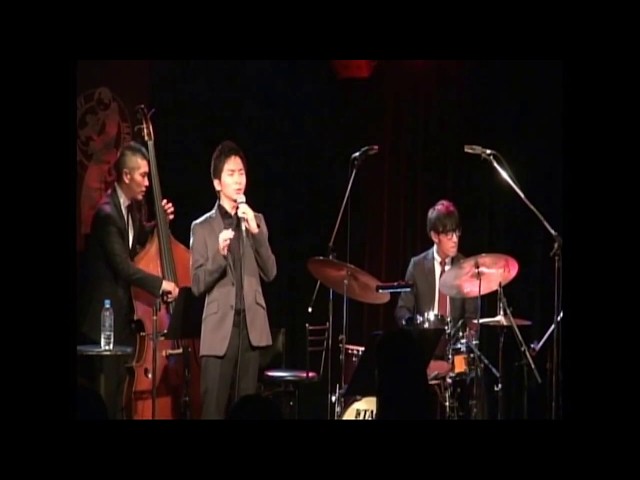
Kei Kobayashi, truly a thoroughbred of the jazz world, is the grandson of jazz steel guitarist Kazunori Murakami, the son of jazz pianist Hiroshi Kobayashi, and the son of jazz vocalist Kyoko Murakami.
His delicate high-tone voice is captivating.
As a child, he showed remarkable talent in classical ballet and once earned both the youngest age and highest score in the Royal Academy of Dance’s internationally standardized examinations.
He later developed an interest in jazz and began performing in the genre around the age of 15.
Sorrowful HeartHirota Mieko

Mieko Hirota was a singer who influenced many famous musicians with her powerful, commanding vocals and skillful scat singing rooted in jazz.
She attended the Japan Jazz School founded by Steve Kamayatsu at the age of seven, receiving a jazz education, and made her debut in her teens with the release of the Western cover song “Kodomo Janai no.” After scoring numerous hits by adapting Western music into Japanese-style pop, her momentum briefly slowed during the Group Sounds boom.
However, “Ningyo no Ie,” released in 1969 with lyrics by Rei Nakanishi and composition/arrangement by Makoto Kawaguchi, became a massive hit, propelling her back to the top of the scene.
She is a great postwar Japanese singer whom I hope younger music fans will also come to know.
