

[2026] Japanese jazz singer. A jazz vocalist representing Japan’s domestic jazz scene.

There are many Japanese jazz musicians who are recognized worldwide, but there may be surprisingly few people who can immediately name a representative Japanese jazz singer.
The history of jazz singers in Japan actually goes back to before World War II.
After the war, a string of hit songs based on jazz emerged, and many stars beloved by the public were born.
With that history in mind, this article spotlights Japanese jazz singers from a broad perspective!
From legendary superstars with a foundation in jazz to pure jazz vocalists, and even those unexpected artists who actually sang jazz—we’ll bring you a richly varied selection!
- Male singers with great voices: a collection of cool, seductive vocals
- [2026] A Collection of Classic Japanese Ballads with a Jazz Flavor
- [Overwhelming Vocal Ability] A Compilation of Popular Female Singers
- A Japanese female singer with excellent singing ability; an outstanding vocalist.
- Ranking of Popular Jazz Songs
- [2026] Masterpieces of jazz vocals: recommended albums you should listen to at least once
- Great for karaoke too! Jazz classics you’ll want to sing at least once
- A male singer with exceptional vocal skills: a powerhouse performer who captivates with volume, technique, and expressiveness.
- Captivating female jazz singers who illuminate the history of jazz. Recommended jazz vocals from around the world.
- Recommended Japanese jazz bands — from classic legends to rising young groups
- [Powerful] A roundup of Japanese pop singers with incredible vocal power
- [Women Artists Only] Tear-Jerking Masterpieces Recommended for Gen Z
- Famous and popular songs performed by actresses
[2026] Japanese jazz singers. Leading jazz vocalists representing Japan’s domestic jazz scene (21–30)
Just in Timetanaka rika

Rika Tanaka is a highly capable jazz vocalist from Hiroshima Prefecture who is based in the Kansai region and continues to perform nationwide.
After working at a trading company, she turned professional when she won the runner-up prize at the 2001 Kobe Jazz Vocal Queen Contest.
She debuted in 2004 with the album “On Green Dolphin Street,” and in 2009 made her major-label breakthrough with the acclaimed “Colors.” A major part of her appeal is her Japanese Songbook series, in which she sings Japanese pop songs in jazz arrangements.
Influenced by Marlena Shaw, her voice cherishes the resonance of the words while creating a comfortable groove.
She comes highly recommended not only for jazz fans but also for listeners of J-pop, so be sure to check out her vocals!
cherryIshikawa Sanae

Sanae Ishikawa grew up immersed in classical piano but pursued a path in jazz after graduating from Keio University.
She honed her craft under Shigeo Maruyama and made her debut in August 2007 with the album “Feel Like Makin’ Love.” Her solid talent has been widely recognized: she won the Vocal Performance Award at the Saitama Shintoshin Jazz Vocal Contest in 2007 and took the Grand Prix at the UTA Wit Contest Tokyo round in 2015.
In the project “Seasonal Japanese Songbook,” which reimagines beloved Japanese standards, she released a series of albums, including “Winter,” garnering strong support.
In addition to performing more than 200 live shows a year, she also provides vocal coaching for stage productions such as “When Three Thousand Moles Gather.” Highly recommended for those who want to hear a voice that marries the depth of jazz with the emotional nuances of the Japanese language.
The Lady Is A TrampKaneko Harumi
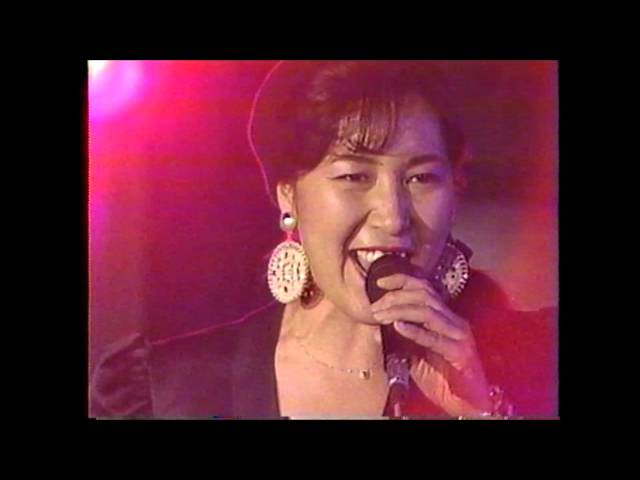
Born in 1950, Harumi Kaneko graduated from Dokkyo University, then honed her craft at the Sanae Mizushima Jazz Vocal Institute, developing solid skills before stepping into the professional world.
She made her debut in 1980 with the album “I Love New York,” asserting a presence that held its own even with masters like Hank Jones backing her.
Known as a rare Japanese singer who can hold her own alongside top New York musicians—exemplified by her acclaimed 1988 collaborative masterpiece “I’M WALKIN’” with Ron Carter—she favors an urban vocal style that prioritizes English nuance and phrasing over flashy technique, truly jazz for grown-ups.
She is an artist highly recommended for anyone who wants to savor authentic jazz vocals.
and I’ll sing once moresari

Sari, a jazz vocalist who originally aspired to be a musical theater actress, was influenced by Ella Fitzgerald in high school and enrolled in the Jazz Vocal Department at Senzoku Gakuen College of Music to pursue a career as a jazz singer.
The daughter of jazz tenor saxophonist Seiichi Nakamura, she has won awards in various contests, released albums, and showcased her singing and narration in TV commercials.
She is an artist whose future endeavors are highly anticipated.

Mood swingsAKIKO

Akiko, who drew attention as the first Japanese female jazz singer to sign with Verve Records, one of the most prestigious jazz labels, is known for her moody and stylish songs.
In addition to her work as a jazz vocalist, she publishes essays and collaborates with apparel brands, actively engaging in a wide range of fields.
Through these activities, she may be helping to introduce jazz—often appreciated only by a niche audience—to a broader public.
Sioux City Suetību・kamayachi

Speaking of Japanese jazz singers, there’s Tee KAMAYATSU, who was active quite a long time ago.
He was one of the people who popularized jazz in postwar Japan and was the father of Hiroshi Kamayatsu.
Born in 1911 in the suburbs of Los Angeles, California, as a second-generation Japanese American, he came to Japan before the war and, after the war, founded the Japan Jazz School in 1950, the country’s first specialized jazz music school.
Having grown up in the United States, he reportedly spoke very little Japanese throughout his life.
Little WaltzMeg

A renowned player who has built up countless great performances with the likes of Miles Davis and Herbie Hancock—the “God of Jazz Bass,” Ron Carter—produced this female singer, whose crystalline, translucent voice stands in striking contrast to her powerful performances.
For the record, she is a different person from the fashion model with the same name.
In addition to trombone, she is supported by top modern jazz players in configurations such as piano trio plus saxophone, as well as guitar and percussion—an emerging talent drawing considerable attention.