

[2026] Japanese jazz singer. A jazz vocalist representing Japan’s domestic jazz scene.

There are many Japanese jazz musicians who are recognized worldwide, but there may be surprisingly few people who can immediately name a representative Japanese jazz singer.
The history of jazz singers in Japan actually goes back to before World War II.
After the war, a string of hit songs based on jazz emerged, and many stars beloved by the public were born.
With that history in mind, this article spotlights Japanese jazz singers from a broad perspective!
From legendary superstars with a foundation in jazz to pure jazz vocalists, and even those unexpected artists who actually sang jazz—we’ll bring you a richly varied selection!
- Male singers with great voices: a collection of cool, seductive vocals
- [2026] A Collection of Classic Japanese Ballads with a Jazz Flavor
- [Overwhelming Vocal Ability] A Compilation of Popular Female Singers
- A Japanese female singer with excellent singing ability; an outstanding vocalist.
- Ranking of Popular Jazz Songs
- [2026] Masterpieces of jazz vocals: recommended albums you should listen to at least once
- Great for karaoke too! Jazz classics you’ll want to sing at least once
- A male singer with exceptional vocal skills: a powerhouse performer who captivates with volume, technique, and expressiveness.
- Captivating female jazz singers who illuminate the history of jazz. Recommended jazz vocals from around the world.
- Recommended Japanese jazz bands — from classic legends to rising young groups
- [Powerful] A roundup of Japanese pop singers with incredible vocal power
- [Women Artists Only] Tear-Jerking Masterpieces Recommended for Gen Z
- Famous and popular songs performed by actresses
[2026] Japanese jazz singers. Leading jazz vocalists representing Japan’s domestic jazz scene (21–30)
You’d be so Nice to Come Home toKEIKO LEE
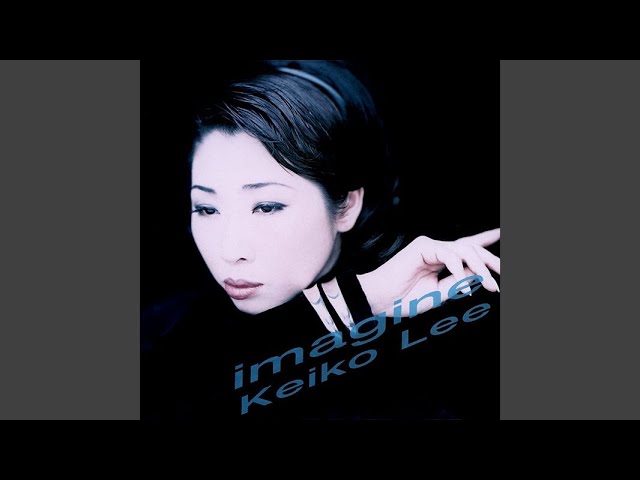
Originally from Handa City in Aichi Prefecture and a third-generation Korean resident in Japan, she first worked as a pianist but switched to being a vocalist at the encouragement of those around her.
Her husky, robust vocal tone, along with her instrumentalist’s agility with ad-libbing and free-flowing melodic embellishments, make her singing all the more compelling.
While retaining a jazz flavor, her albums that cover pop masterpieces like the Beatles and Japanese kayōkyoku—serving as a bridge between jazz and pop—are also very popular.

My Funny ValentineTOKU

TOKU is a versatile player who, while being a vocalist, also freely handles the flugelhorn, an instrument similar to the trumpet.
His sweet, Chet Baker–like singing voice has won him many female fans.
He originally played cornet in his junior high school wind ensemble, and it’s said that he began focusing on singing after being encouraged by those around him while studying abroad.
A vocalist who can take instrumental solos has greater melodic freedom, which gives the music a sense of breadth and makes it a joy to listen to.
[2026] Japanese jazz singers: Jazz vocals representing Japan’s domestic jazz scene (ages 31–40)
Take Me In Your Armsmaya

She first took the stage in 1999 at a jazz live house.
While grounded in jazz, she doesn’t confine herself to any single genre and excels at singing in multiple languages.
She is also known for representing Japan at the Shanghai Jazz Festival in 2006.
An avid audio enthusiast, she serves as vice president of the Women’s Audio Society and appears at numerous audio events.
In addition, she has launched her own label, drawing attention for activities that go beyond the scope of a typical vocalist.
Chocolate DiscoToki Asako

Asako Toki, the daughter of renowned saxophonist Hideshi Toki, is a singer who freely moves between jazz and J-pop, wielding a clear, airy voice as her hallmark.
Her musical career began as the vocalist of Cymbals, formed in 1997.
Strongly influenced by Western music, the band produced a sophisticated, urban, and stylish sound that was often described at the time as post-Shibuya-kei.
After the band disbanded, she released “STANDARDS: Asako Toki Sings Jazz,” co-produced with her father, Hideshi, marking the start of her career as a solo singer.
Her style is highly regarded by fellow musicians, and she has received many offers from other artists, frequently showcasing her voice as a guest vocalist.

Let’s meet in Yurakucho.Furanku Nagai
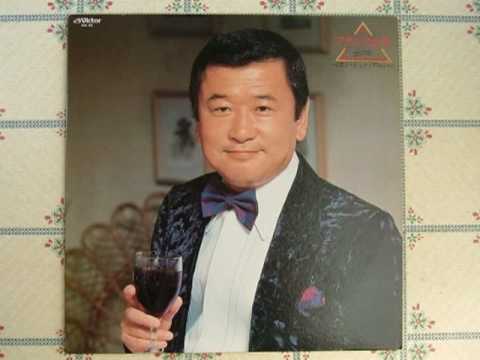
He wasn’t a pure jazz singer, but Frank Nagai won great popularity with mood kayōkyoku richly infused with a jazz flavor, sung in a lustrous, resonant baritone.
With many hits such as “Yūrakuchō de Aimashō” and “Omae ni,” the veteran singer who appeared in the Kōhaku Uta Gassen for 26 consecutive years had aimed to be a singer since childhood and began his career performing at American military clubs.
Although he mainly sang jazz at first, he didn’t find success.
On the advice of his senior and mentor-like figure Dick Mine, and after meeting composer Tadashi Yoshida, he set out as a singer of popular kayō songs.
He went on to achieve dazzling success, yet in concerts he would perform standards and English versions of his own songs, showing that even as a mood kayō singer, he continued to value his career as a jazz singer.
Over the rainbowShimabukuro Hiroko

In the late 1990s, Hiroko Shimabukuro debuted as a member of SPEED while still an elementary school student and quickly became so popular that her name was known throughout Japan.
Some might wonder why she’s being mentioned in an article about jazz singers, but in fact, after SPEED first disbanded, Shimabukuro began her career as a jazz singer.
In 2004, she launched her full-fledged jazz project, Coco d’Or, performing mainly standard numbers and regularly releasing albums and holding concerts.
She earned high acclaim, winning the Japanese Music category for Jazz Album of the Year at the 19th Japan Gold Disc Awards in 2005.
Shimabukuro’s powerful vocals were already in the spotlight during her SPEED days, but be sure to check out her even more refined artistry as a jazz singer.
So Many StarsSuzuki Shigeko

At the time of her debut, Shigeko Suzuki drew attention as a vocalist who graduated from the University of Tokyo’s Faculty of Law.
She began studying piano at age three, and after entering elementary school, received English conversation lessons from her mother.
Supported by her keen ear and language skills, her husky yet delicate singing voice captivates fans and won’t let go.
She is also known for becoming the first Japanese vocalist to perform at the prestigious jazz club Blue Note New York upon her album debut in 1995.