



The ’80s were full of hit songs, weren’t they?
Here are some especially recommended classics and hits from the era’s signature kayōkyoku tunes.
It’s a timeless, legendary playlist that rewrote the history of Japanese music—one we want both those who spent their youth back then and those who didn’t to listen to.
We feature a wide range of artists, from bands and singer-songwriters to idols.
A karaoke contest limited to this decade would be a blast, wouldn’t it?
- Popular Nostalgic Hits and Classics Ranking [1980s Japanese Music Ranking]
- A collection of nostalgic Japanese hit songs from the 1980s that still linger in our ears
- Classic and hit Japanese pop songs from the nostalgic 80s
- [Songs from the Showa Era] Introducing classic tracks that are easy to sing at karaoke.
- Classic and hit songs by nostalgic Japanese pop idols of the 80s
- Top 1980s Female Singer-Songwriters: Popular Songs Ranking [2026]
- Recommended youth songs for people in their 80s: A collection of nostalgic classics
- A special feature on classic and hit songs by bands that were active in the 1980s
- Nostalgic yet fresh!? Classic masterpieces of Japanese rock from the 1970s and 1980s
- Classic nostalgic summer hits from the ’80s. A roundup of summer songs.
- [1980s J-Pop] Popular winter songs: from chart-toppers to hidden gems!
- Including global hits! 80s songs popular on TikTok
- Thrilling to Cool Showa-Era Tunes! Classic Songs from Female Singers and Artists of the Showa Period
Masterpieces and hit songs of 80s Japanese pop (1–10)
For me to be myselfOzaki Yutaka
This song, included on Yutaka Ozaki’s first album, Seventeen’s Map, released in 1983, was used as the theme song for the dramas For Me to Be Myself and Mr.
Suzuki.
Its strongly message-driven lyrics have been widely embraced, and it remains one of the most popular songs in Yutaka Ozaki’s catalog.
My RevolutionWatanabe Misato

Included on the 1986 album “Lovin’ you.” It was the theme song for the drama Sailor-fuku Dori.
The chorus features a drum pattern reminiscent of a march that leaves a strong impression.
Her powerful vocals match it, giving listeners a push forward.
Highly recommended as a fight song/cheer song.
Wine Red Heartanzenchitai

This song is included on the 1984 album “Anzenchitai II.” Its slow, gentle, moody melody is sultry, and Koji Tamaki’s tearful-sounding vocals fit it perfectly.
Isn’t it one of the defining masterpieces of the Showa era?
Forbidden Rouge MagicImagawa Kiyoshiro + Sakamoto Ryuichi

This song was released as a single in 1982.
It was a lavish project featuring a collaboration between Kiyoshiro Imawano of RC Succession and Ryuichi Sakamoto of YMO.
Even now, the outfits look cool and feel very cutting-edge for their time.
Fall in LoveKobayashi Akiko

This song became a massive hit as the theme for the TV drama “To Friday’s Wives III: Falling in Love,” which drew a lot of attention at the time.
As the drama shows, in the 1980s, affairs—though unquestionably wrong—were also wistfully romanticized.
Countless women must have been moved to tears and found empathy in her heartrending voice.
A love song that captures the flow of its era, it’s still sung today as a classic from the Showa period.

SHOW MEMorikawa Yukari

Released as a cover of The Cover Girls’ song that was lighting up the Billboard dance charts in the ’80s, it became a huge hit when it was used as the theme song for the TV drama “Danjo 7-nin Aki Monogatari.” It’s a track that symbolized the bubble-era mood of the time—its catchy, danceable Eurobeat sound had everyone getting into a party vibe (lol).
You could say it’s one of the quintessential kayōkyoku songs of the ’80s.
Linda LindaTHE BLUE HEARTS
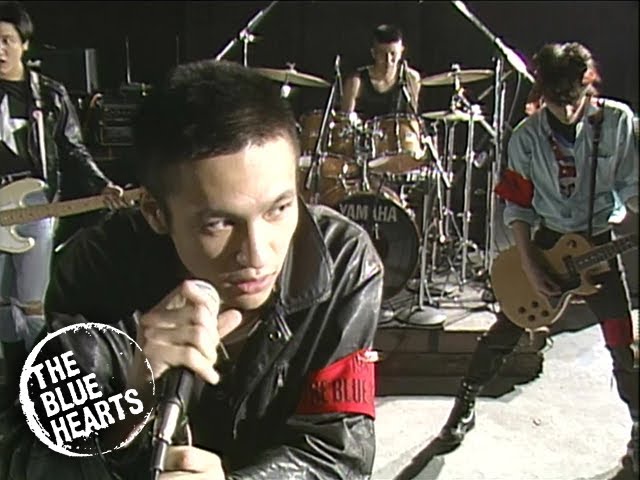
Included on the 1987 album “THE BLUE HEARTS.” It’s a signature song by the legendary rock band formed in 1985.
They chose a band name that even elementary school kids could remember, while not revealing the band’s musical direction.
The progression—from the quiet opening to the headlong rush into the chorus—leaves a strong impression.