

The debut song of a Japanese rock band

Rock bands are so cool, aren’t they?
I bet many of you have a band you admire.
Today, we’re featuring rare debut tracks from famous rock bands that everyone’s heard of at least once!
If you’re a fan but haven’t listened yet, this is a must-hear!
- The debut song of a Japanese rock band from the 1980s
- Debut song of a 90s visual kei band
- Dawn of Japanese Rock: A Collection of Debut Songs by 1970s Japanese Rock Bands
- Ranking of Popular Band Songs Among People in Their 20s [2026]
- [Debuted in the 2000s] Youthful Sounds Heard in Girl Band Debut Songs
- Debut songs by Japanese female artists [Shocking hits & must-know classics]
- Popular Band Rankings [2026]
- [J-Pop] Debut songs by male solo artists from the 1990s
- Debut song of a Japanese band from the 80s
- Iconic songs by Japanese rock bands from the 2000s [J-Rock]
- Cool band: A rock band that represents Japan
- Debut song of an 80s visual-kei band
- [1980s] Debut Songs and Classics by Japanese All-Girl Bands
Debut songs by Japanese rock bands (21–30)
festaRemioromen
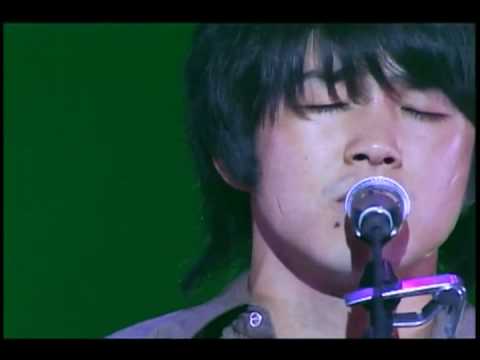
Remioromen is a three-piece band that released winter staples like “Konayuki” and “March 9,” creating many songs that leave a lasting impression on listeners.
Their debut work was the mini-album “Festa,” released in 2003.
The video features the title track of the same name included on the album.
Its slightly rough-around-the-edges feel gives it a fresh, early charm.
White BeachHY

HY is a band from Okinawa Prefecture.
In terms of genre, they play what’s called “mixture,” a style that blends rap, hip-hop, and reggae with rock.
They formed in 2000, and their debut release was the 2001 mini-album “Departure.” The video features the track “White Beach” from that release.
Sing of springback number

back number is a band formed in 2004.
Their 2016 single “Happy End” was chosen as the theme song for the film “My Tomorrow, Your Yesterday,” and became a hot topic.
They debuted with the indie-label mini album “Nogashita Sakana,” released in 2009.
The video features the track “Haru o Uta ni Shite.” Their appeal lies in lyrical guitar-pop sounds and lyrics and melodies that strongly evoke a sense of wistfulness.
≈Sambomasutā

Sambomaster is a three-piece band formed in 2000.
Their 2005 single “Sekai wa Sore o Ai to Yobun da ze” was used as the ending theme for the drama “Densha Otoko,” and its major success brought them into the spotlight.
Their debut release was the 2001 indie album “Kikku no Tamashii.” The video features the album track “≈.”