

A Japanese soul singer. The stirring SOUL OF JAPAN.

Soul music, rooted in gospel and blues, developed in the United States from the 1950s through the 1960s.
In Japan, following the lead of groups like The King Tones and Chanels, it has been incorporated into pop music in various ways.
In this article, we spotlight Japanese soul singers who will grab your heart!
Let’s dive into the appeal of soulful vocalists—their power, rich groove, body-moving rhythms, and undeniable comfort.
- [Japanese R&B] Notable Classics & New Tracks, Representative Songs of Japanese R&B
- [Healing & Cool] Female Vocalists with Captivating Husky Voices
- Cool Japanese female vocal
- Today's R&B: A curated playlist packed with classic hits!
- Cool masterpieces of enka, the heart of Japan
- Lesser-Known but Amazing Singers | A Ranking Focused on Pure Talent
- [Ballads] Hidden gems of Japanese music. Songs that really hit you.
- [Western Music] A Recommendation of the Lady of Soul: Wonderful Female Soul Singers
- [Song of Osaka] A selection of passionate, warm-hearted Osaka tunes
- [2026] Half-Japanese Singers/Vocalists: Artists with Overseas Heritage [Active and Notable in Japan]
- Songs by male artists known for their captivating deep voices. Classic Japanese hits and recommended popular tracks.
- Nothing but masterpieces! Love songs by male artists recommended for Gen Z
- A classic of Japanese blues. Japanese blues that lets you get drunk on the sound and vocals.
Japanese soul singer. Stirring the heart: SOUL OF JAPAN (11–20)
HappinessAI

AI is a soul singer known for a powerful, church-honed voice.
Born in Los Angeles and a quarter American, she discovered gospel as a teen and decided to become a singer.
After debuting in 2000, her 2005 single “Story” became a hit, followed by the massive success of “Believe” the next year.
While her husky voice shines in heartfelt ballads, she also shows outstanding rhythm on groovy tracks like “Happiness.”

RunawayShaneruzu (Rattsu & Sutā)
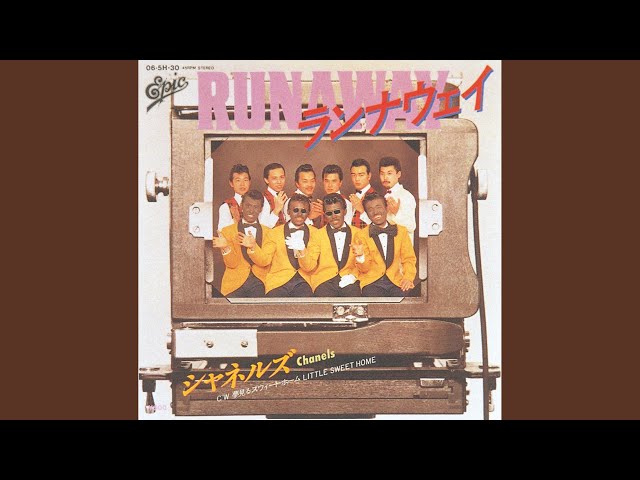
Shanels was a chorus group led by soul singer Masayuki Suzuki.
They later changed their name to Rats & Star.
They’re also well known for the four vocalists performing in flashy suits with their faces in blackface, so some people may have seen footage of them.
Their debut single “Runaway” became a million-selling hit and sparked a doo-wop boom in Japan.
Although they went on hiatus in 1987 due to the members’ busy schedules, they reunited for a limited time in 1996 and released “Yume de Aetara,” produced by Eiichi Ohtaki.
Soul LadyHirota Mieko

Mieko Hirota is the artist who scored hits in Japan by covering Western songs like “Vacation” and “Sixteen Reasons” in Japanese.
She originally sang jazz at U.S.
military camps, and her appeal lay in a powerful, punchy voice forged through jazz.
In 1965, she was invited to perform at the Newport Jazz Festival in the United States, becoming the first East Asian to appear there.
In 2006, to mark the 45th anniversary of her debut, she released Mieko Hirota Jazz Collection.
Lovers — Road (Intersection)Suzuki Masayuki

When it comes to a Japanese soul singer known for sunglasses and a mustache, that would be Masayuki Suzuki.
He’s a veteran who has led Japan’s soul scene, having formed the chorus group Chanels in 1975, which later became Rats & Star.
During the group era, they released hits like “Runaway” and “Megumi no Hito,” and after going solo he put out songs such as “Koibito,” as well as the duet “Lonely Chaplin” with his sister, Seimi Suzuki.
His appeal lies in his rich, sultry voice influenced by rhythm and blues and doo-wop.
Good Night BabyZa Kingutonzu

One of the groups that helped popularize the doo-wop choral style in Japan was The King Tones.
Doo-wop is a genre that developed from gospel, characterized by a lead vocalist and distinctive call-and-response-style backing vocals.
The King Tones are known for signature songs like “Good Night Baby” and “Kurai Minato no Blues” (“Blues of the Dark Harbor”), and they also left renowned covers such as The Platters’ “Only You” and the Righteous Brothers’ “Unchained Melody.”
SOUL SPIRIT PartIIBaburugamu Burazāzu

The soul duo formed by Bro.
TOM and Bro.
KORN is the Bubblegum Brothers.
Many of you have probably heard their 1990 smash hit “WON’T BE LONG.” The two, who hit it off after being inspired by the cult soul movie The Blues Brothers starring John Belushi and Dan Aykroyd, formed the group together.
Their sound, which puts Black music front and center, feels absolutely incredible.
Their love for The Blues Brothers even led them to handle the Japanese dubbing when the film was broadcast on television.
Japanese soul singers: stirring the heart — SOUL OF JAPAN (21–30)
Lovin’ YouYokoyama Kiichi

Kiiichi Yokoyama, hailing from Hokkaido, has captivated the music scene with his sophisticated sound spanning dance-pop, R&B, and soul.
Since launching his career in the late 1980s, he has produced numerous hit songs.
He has created ending themes for many TV programs, including a work that reached No.
14 on the Oricon charts in the 1990s.
Establishing a unique musical identity in the J-pop scene, he has also flourished as a producer, providing songs for artists like EXILE and MAX.
In 2015, he released the album “Masterpiece?”, earning strong support not only from J-pop fans but also from listeners seeking authentic R&B and soul.
In conclusion
I introduced some Japanese soul singers. Each singer has their own distinct flavor and individuality, yet you can feel a powerful intensity—their inner feelings come through vividly. I think I’m going to get hooked on the appeal of these soul singers, whose energy lifts you up when you want to feel motivated and supports you even when you’re feeling down.