

[Japanese-style Piano Pieces] A selection of recommended works with a pleasantly Japanese flavor

The piano is an instrument born in Europe.
Classical music is a musical style that developed in the West.
If you mainly practice classical works, you may naturally end up focusing on pieces infused with European essence, and it might be rare to feel a sense of “Wa” (Japanese aesthetics) while playing the piano.
So in this article, for those who want to try playing piano pieces that convey a distinctly Japanese flavor, we’ll introduce a wide selection of Japan-inspired piano works.
Even within the label “Japanese style,” the roots and forms of the pieces vary widely—from works composed by European composers inspired by Japanese ukiyo-e to sets of variations based on children’s songs.
Please enjoy listening while comparing the different expressions of “Japaneseness” in each work and savoring how interpretations of “Japanese style” vary from one composer to another!
- [Intermediate Level] A curated selection of piano masterpieces featuring strikingly brilliant melodies!
- Piano Works of Kosaku Yamada: Piano Pieces Left by the Master Composer of Japanese Children’s Songs and School Songs
- [Impressionist Music] A Selection of Classical Works That Evoke the Japanese Spirit
- [Akira Miyoshi’s Piano Works] A curated selection of gem-like pieces by a master of contemporary Japanese music
- [Contemporary Pieces] A curated selection of classical works that captivate with the piano’s mysterious resonance!
- Masterpieces of classical piano that are too beautiful for words. A gathering of delicate tones that cleanse the soul.
- [For Adults] Recommended for Piano Recitals! A Curated Selection of Impressively Sounding Masterpieces
- [Japan] A collection of J-pop with a traditional Japanese (wa) vibe and Japanese-style taste
- [Piano] A Lineup of Masterpieces | Piano Pieces That Evoke Spring
- [Piano] Piano Pieces to Enjoy in the Hot Summer: A Selection of Refreshing Classical Works
- [Piano × J‑Pop] A curated selection of the coolest new hits and anime songs that’ll look great when you play them
- [Impressionism] A Curated Selection of Colorful Piano Masterpieces — Debussy & Ravel
- [Piano Recital] Recommended for Middle Schoolers! A Comprehensive Introduction to Classical Masterpieces
[Japanese-Style Piano Pieces] A Curated Selection of Comfortingly Japanese Works (21–30)
Dance and SongNakata Yoshinao

This is a solo piano piece that begins with light 5/8-meter staccato and syncopation.
Rhythmic, dance-like elements alternate with an elegant singing melody, vividly capturing the exhilaration of a summer night and its serene afterglow.
Composed during the mature period of the composer, who served as a lecturer at Kobe Yamate Women’s Junior College in 1993, it is one of the most popular tracks among the 24 pieces included in the album “Children’s Dreams.” While incorporating Japanese-style elements, it possesses a universal appeal and is highly regarded as a recital repertoire.
It is recommended for those aiming to level up while enjoying piano performance, as it allows players to savor the beauty of melody and harmony while honing both technical skills and expressive depth.
SummerHisaishi Joe
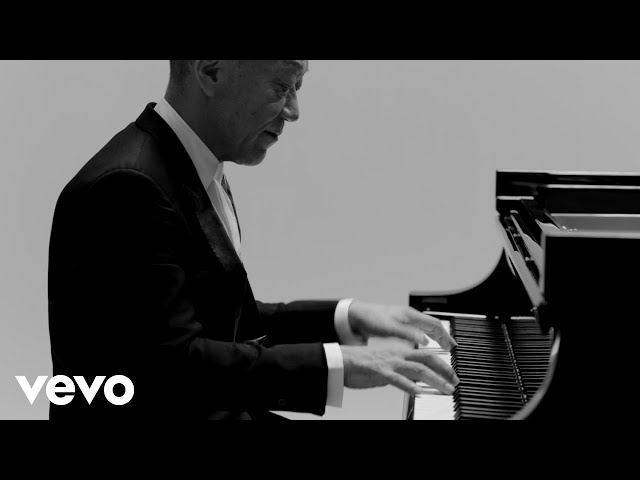
This is a piano-centered instrumental piece included on the original soundtrack of the film “Kikujiro.” Its heartwarming melody and light rhythm leave a strong impression, evoking the feel of a refreshing summer’s day.
In the film, it beautifully captures the themes of “summer adventures” and “growth” as seen through a boy’s innocent eyes, leaving a deep mark on audiences.
The piece was also used in Toyota Corolla commercials from 2000 to 2002, making it familiar to many.
Its gentle, transparent tone and faintly nostalgic melody resonate with listeners.
It’s also approachable as a piano practice piece and is sure to captivate audiences at recitals.
In conclusion
How did you like the Japanese-style piano pieces? The atmosphere was quite different between works by Japanese composers who stay faithful to a distinctly Japanese sensibility and those by overseas composers who capture “Japan-ness” from their own unique perspectives, wasn’t it? There are many more piano pieces that evoke a sense of wa beyond the ones we introduced! Why not take this opportunity to explore works infused with the essence of “wa”?