

![[Beginner] Start with this song! A collection of practice tunes for jazz beginners](https://i.ytimg.com/vi_webp/CpB7-8SGlJ0/maxresdefault.webp)

Among those who have just started an instrument, many are practicing guitar, piano, saxophone, or trumpet with a single-minded desire to play jazz.
That said, jazz can seem intimidating and difficult…
For anyone feeling that way, this article rounds up beginner-friendly jazz practice tunes.
They’re all standard numbers that nearly everyone has heard at least once, and with simple arrangements they can sound convincingly jazzy while being perfect for learning jazz style.
Future jazz players, take note!
- Introduction! A collection of recommended masterpieces and standard numbers for jazz beginners
- Great for karaoke too! Jazz classics you’ll want to sing at least once
- [Saxophone] Recommended practice songs for saxophone beginners: Famous tunes you’ll want to try playing
- [For Piano Beginners] Play Right Now with Free Sheet Music! A Roundup of Recommended Practice Pieces
- [Beginner] Recommended for adult piano beginners! Beautiful & stylish piano pieces
- Classic swing jazz tunes. Recommended popular songs.
- [2026] Practice Songs for Beginner Drummers: Easy and Cool Recommendations
- Practice pieces for beginner trumpet players
- [Beginner] Start Here: Classic Practice Pieces Recommended for Adult Piano Beginners
- [For Beginners] Recommended Songs for Female Vocal Bands: Great for Choosing Your Setlist! [2026]
- [Challenge] Practice Songs for Beginner Electric Guitar Players
- [2026] Start with this song! A collection of practice tracks for R&B beginners
- The Royal Road of Jazz: Classic modern jazz masterpieces. Popular tracks you should listen to at least once.
[For Beginners] Start with this song! A collection of practice pieces for jazz beginners (1–10)
Autumn leavesJoseph Kosma


Composed in France by Hungarian-born Joseph Kosma, Autumn Leaves—known in Japan as Kareha—is a standard number widely loved by jazz beginners and veterans alike.
Written in 1945 with French lyrics by Jacques Prévert, the song poignantly captures the themes of love and the changing seasons.
For jazz newcomers in particular, its melody is easy to play and ideal for learning fundamental jazz phrases and expression.
Cherished by jazz greats such as Bill Evans and Cannonball Adderley, this piece is a perfect gateway for beginners to experience the allure of jazz and refine their musical sensibilities.
As the weather turns cold, why not step into the deep world of jazz while playing this heartwarming melody?
Blue MonkThelonious Monk


The jazz master Thelonious Monk’s 1954 composition “Blue Monk” has secured its place as a standard in the jazz world.
Its appeal lies in Monk’s distinctive rhythmic, chromatic melody; while it adopts the 12-bar blues form, it skillfully fuses jazz tradition and innovation through its unique harmony and rhythm.
In 1973, Abbey Lincoln added lyrics, giving “Blue Monk” an even deeper dimension.
The lyrics reflect themes of loneliness, introspection, and inner conflict, conveying a message about the blues sensibility in jazz and the act of overcoming struggle.
For beginners, “Blue Monk” is an excellent introduction to jazz.
Technically accessible, it’s ideal for learning the fundamental forms and expressive richness of jazz, and it offers a valuable opportunity to experience Monk’s musical vision.
MistyErroll Garner


Inspired by a rainbow and mist seen from an airplane window, Erroll Garner is said to have improvised the masterpiece “Misty.” Its romantic, slightly wistful melody ranks among the most popular jazz standards and is widely cherished as a beautiful ballad.
First included on the 1954 album “Contrasts,” it continued to captivate audiences across generations, notably featuring memorably in the 1971 film “Play Misty for Me.” With its relaxed tempo, it’s easy for the fingers to follow, allowing players to savor the resonance of the chords—one of the piece’s great attractions.
Start by carefully aligning the simple melody with the left-hand accompaniment rhythm, and try to evoke a dreamlike, mist-shrouded atmosphere.
Song for My FatherHorace Silver


This piece, included on the classic album Song for My Father released in January 1965, has secured an unshakable place as a jazz standard.
Pianist Horace Silver composed it as a tribute to his father from Cape Verde, inspired by a 1964 trip to Brazil.
Its uniquely Latin-tinged, wistful bass line is unforgettable after a single listen, and it’s also known for being quoted in Steely Dan’s hit Rikki Don’t Lose That Number.
With its simple structure and memorable melody, it’s a perfect choice for those just starting to play jazz.
For piano performance, first stabilize the distinctive left-hand bass pattern; from there, you’ll progress more quickly by developing a feel for letting the right-hand melody sing freely over it.
Stella by StarlightVictor Young


This work is marked by a romantic melody that evokes whispering of love under starlight.
Originally, it was an instrumental piece composed by Victor Young as the theme for the 1944 Paramount film “The Uninvited.” Lyrics were later added by Ned Washington, and today it is widely cherished as a jazz standard.
After being first recorded by Victor Young’s own orchestra in August 1945, Harry James’s performance also became a hit.
Its rich harmonies—featuring smooth voice leading and modulations—are characteristic, making it ideal for studying the distinctive sound of jazz.
To begin, why not play it as a relaxed ballad, letting the melody sing?
Cold Duck TimeEddie Harris
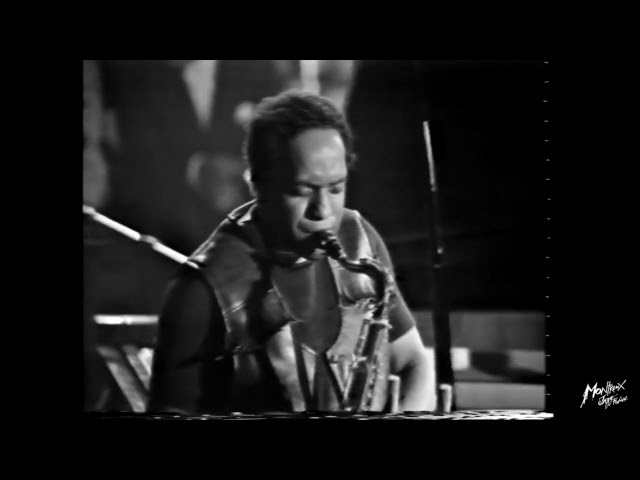

When it comes to funky, dance-inducing instrumental numbers, this composition by Eddie Harris is the standout.
A powerful, rock-like riff intertwines with a soulful saxophone, making your heart leap just by listening.
It’s included on the classic album “Swiss Movement,” released in October 1969, which captures the electrifying live performance in Switzerland as it happened.
It’s also known for being featured in the TV series Bates Motel.
With its simple structure and easy-to-remember chord progression, it’s a perfect pick for those looking to dive into jazz improvisation.
Start by listening repeatedly to the distinctive bass-line riff to internalize the groove, then get a feel for laying your own phrases freely on top—that’s the fastest path to improvement!
All BluesMiles Davis


Nicknamed “The Emperor,” trumpeter Miles Davis continually revolutionized the jazz world.
His August 1959 release, the album Kind of Blue, is cherished worldwide as a monument of modal jazz.
The piece included here is a blues in 6/8 time—simple enough for jazz beginners to tackle, yet profound enough to make seasoned pros nod in admiration.
It’s also a session staple, so it’s definitely a tune worth learning.
When you play it, don’t just follow the score—let yourself sink into the distinctive sense of weightless motion created by the repeating bass line.
Cultivating an awareness of space will be your first step toward a cool, Miles-like performance!