

Jujutsu Kaisen's quotes that strike the heart: memorable lines that drew attention in the anime and film


Jujutsu Kaisen, a series serialized in Weekly Shonen Jump from 2018 to 2024, quickly became a smash-hit manga.
As of September 2024, the series has surpassed 100 million copies in circulation, and with its hugely successful TV anime and film, it has become one of the defining manga of the Reiwa era.
What’s more, its uniquely compelling characters each have many memorable quotes.
This time, we’ll be introducing some of the best quotes from Jujutsu Kaisen—be sure to check them out!
Heart-piercing quotes from Jujutsu Kaisen: Memorable lines that drew attention in the anime and film (1–10)
Huh? Is that so? Yeah… maybe that’s true!!Satoru Gojo
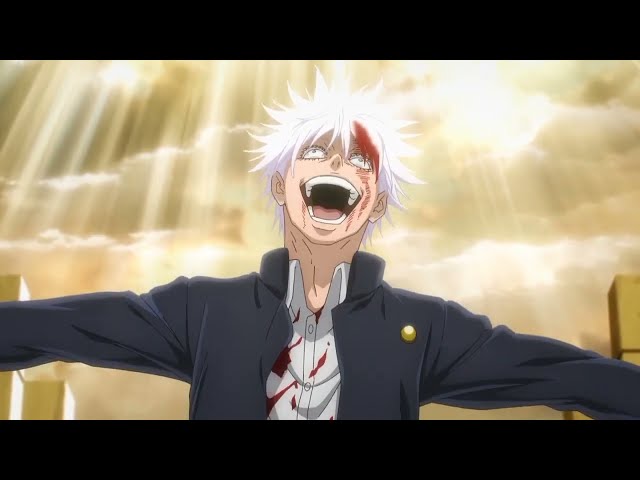
In this scene, the way he revels in the feeling of becoming the strongest is striking.
The relaxed, playful energy he exudes captures Gojo’s free-spirited nature and overwhelming power.
With his arms spread wide, laughing as he looks to the sky, he doesn’t come off as just a mighty fighter; there’s a human warmth, like a boy delighting in his own strength and growth, that draws viewers in.
In this single line, you can feel the essence of Gojo’s charm—his unmatched power paired with a free and unrestrained spirit—making it a memorable quote that has stayed with many fans through the anime and films.

That person is my benefactor. Treat them more politely than a butterfly, more politely than a flower…!!Yuta Okkotsu
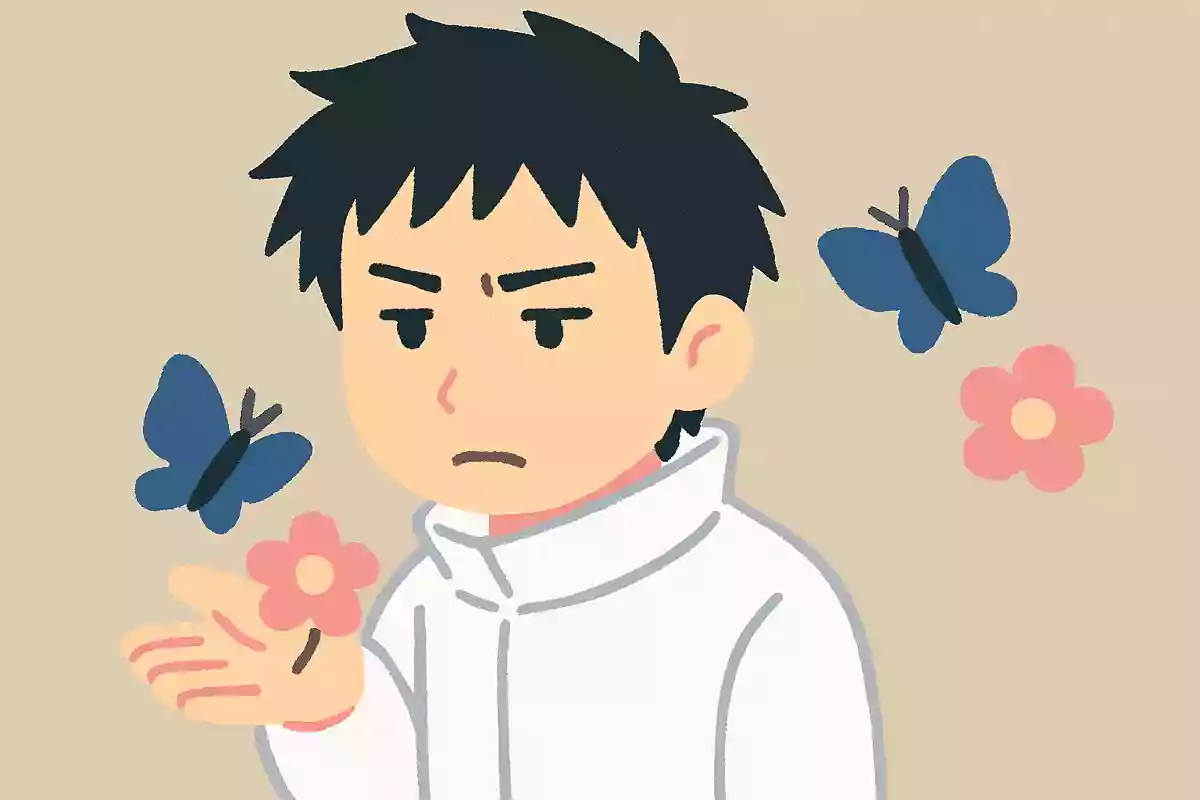
A quote from Yuta Okkotsu, one of only four special-grade jujutsu sorcerers in Japan.
He directs it at Rika Orimoto, the special-grade vengeful cursed spirit attached to him, and the commanding tone—so unlike the gentle, kind image of Yuta—really leaves an impression.
The phrase “more than butterflies, more than flowers” suggests just how much Yuta respects and feels indebted to Maki Zen’in.
The word choice also seems to stoke Rika Orimoto’s jealousy, which is exquisite.
It’s a line that showcases the range and depth of Yuta Okkotsu as a character.

Be proud. You are strong.Ryomen Sukuna

A famous line spoken by Ryomen Sukuna, who lurks inside Yuji Itadori, during his fight with Jogo, a central figure among the nature curses.
It follows “Among those I’ve fought, you were one of the better ones,” and shows that even as he effortlessly swats Jogo aside, he acknowledges his strength in that brief moment.
Seeing Jogo moved to tears makes it clear the praise was sincere, without lies or pretense.
Though it’s a battle of villain versus villain in the story, it’s a memorable quote that colors one of the most striking scenes of the Shibuya Incident.
Seize your luck with your own ability.Kinjii Hakari
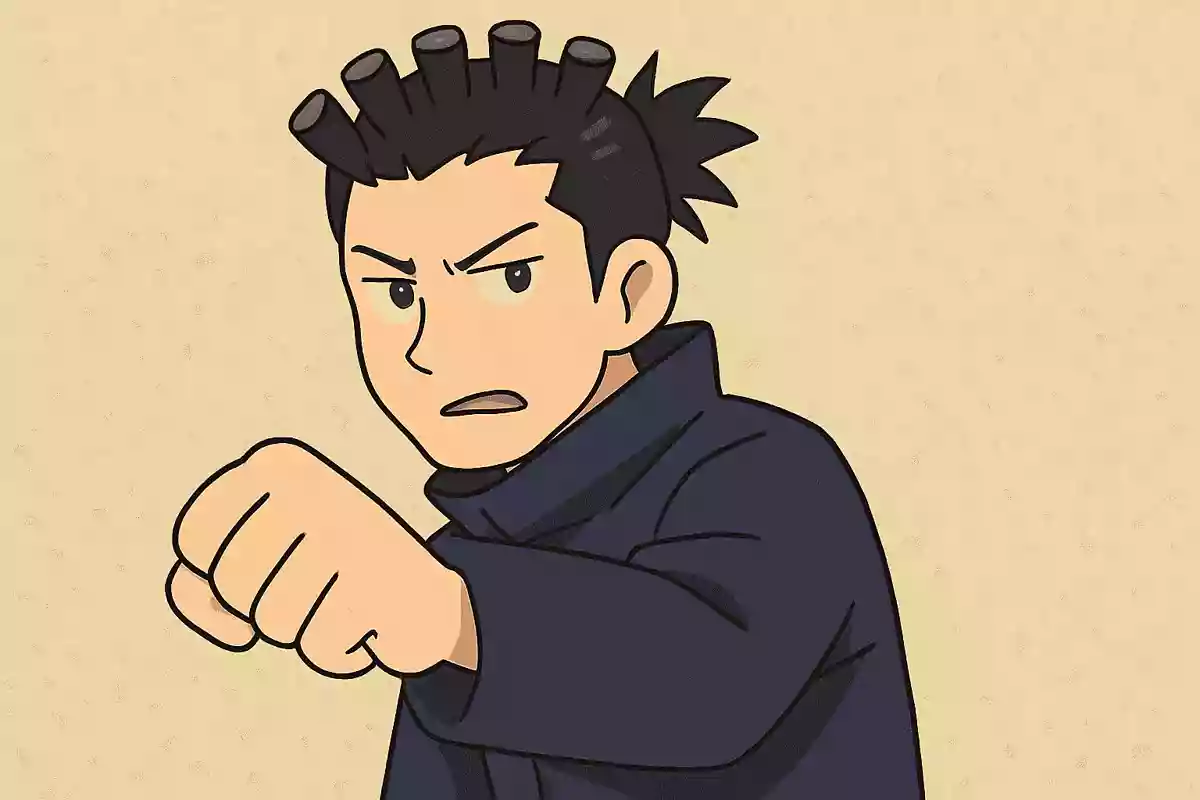
In response to Charles’s line, “If we’d been competing on skill instead of luck, you might have been the one to win,” Kinji Hakari replied with a famous quote.
It’s a line very characteristic of Hakari, whose technique heavily involves elements of luck, yet you can feel his conviction that it isn’t mere coincidence—he draws fortune in through skill.
No miracle will happen if you just sit and wait.
This quote teaches us that only with the effort you’ve accumulated and the strength you’ve honed by that moment can you truly make use of any miracle that occurs.
I’m afraid that when the value of life becomes ambiguous, I’ll lose sight of the value of the people I care about too.Yuji Itadori
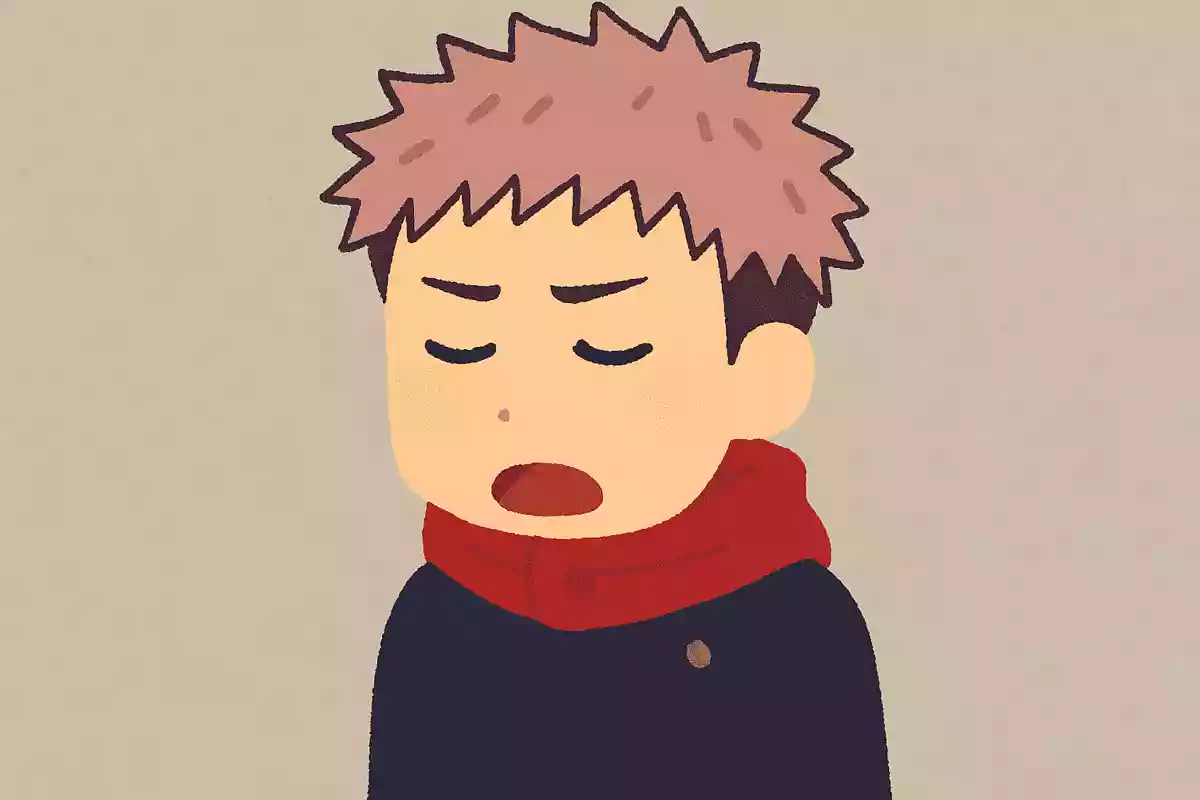
A famous quote from Yuji Itadori, the main character of the series.
It follows the line, “I feel like if I kill someone even once, the option to ‘kill’ will become part of my everyday life.” Perhaps these are words one must keep in mind precisely because they live on the battlefield.
Even in the real world, the word “kill” gets thrown around casually, but this message makes us think about how seriously people mean it and what that word might distort.
In a story where defeating enemies is taken for granted, this quote adds depth and nuance.
I’ll f—king kill you.Yuji Itadori
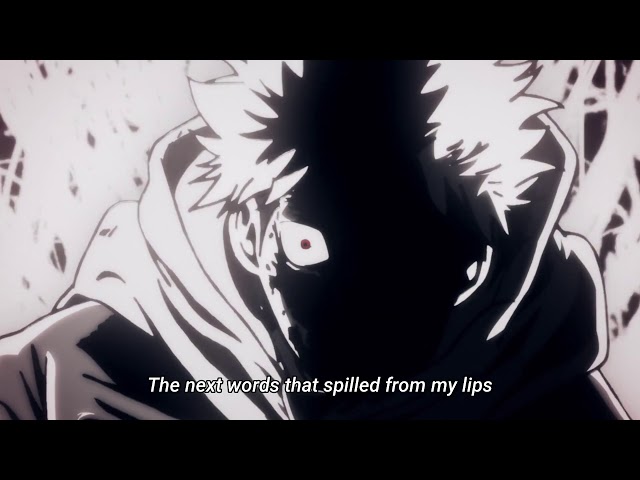
In this scene with Yuji Itadori, in stark contrast to his usual cheerful and positive demeanor, a surge of intense anger and resolve takes center stage.
These words, spoken to protect his friends and allies or to show his determination to face the enemy before him, carry a weight far beyond mere violence.
His honesty with his emotions and his willingness to fight with everything he has resonate strongly with viewers, reinforcing the fiery, straightforward nature that defines Yuji as a character.
Moments like this also highlight the importance of bonds with companions, which is a big part of the series’ appeal.
Even pandas cry.panda
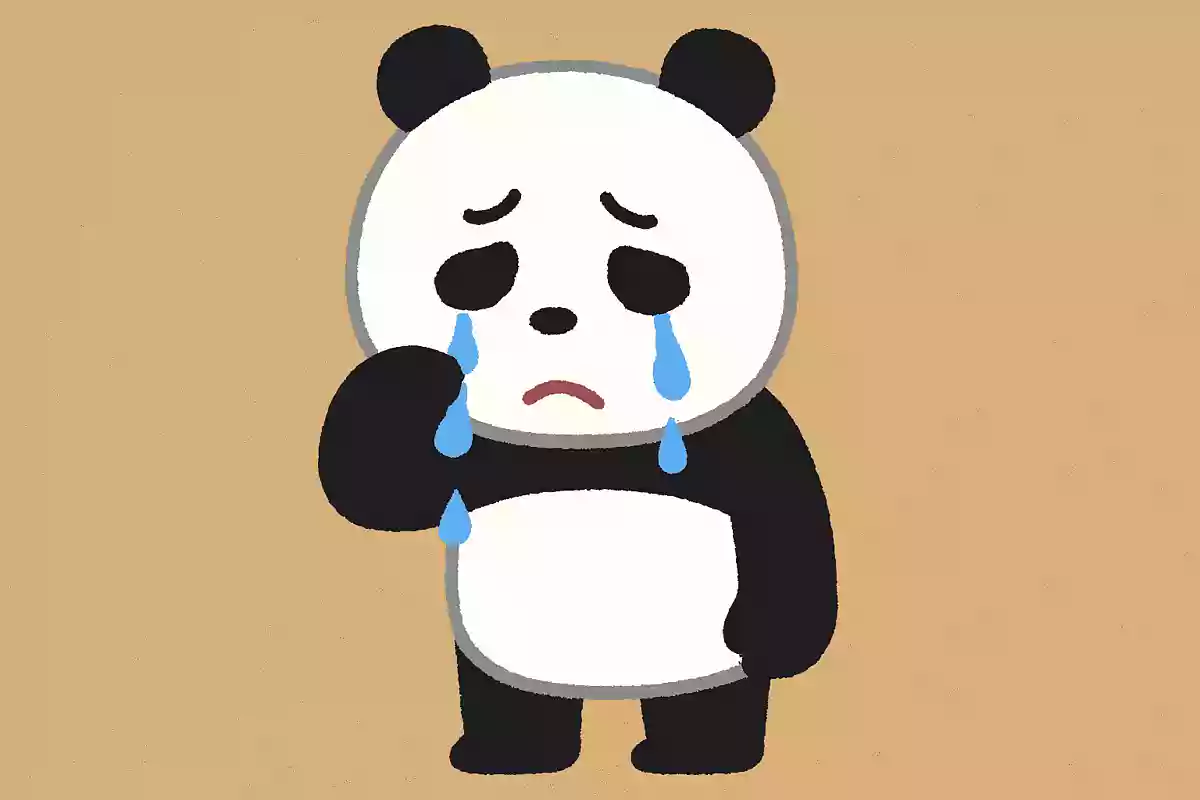
This line from Panda, in contrast to his usual lively and innocent image, is a moment that lets you feel his sensitivity and humanity.
By expressing the weakness and emotions he shows in battles and in his relationships with comrades so directly, it makes the audience’s hearts swell.
It conveys his depth not only as someone strong but as a character with feelings, leaving the impression that he’s more than just a dependable ally—that’s Panda’s appeal.
Even among characters who fight, this single line has the power to convey emotional tremors and kindness, doesn’t it?