

Recommended ballad songs for junior high school students. Famous and popular J-Pop songs.

I’ve put together a collection of ballad-style songs I’d recommend to junior high school students!
Every one of them is epic and gives you goosebumps!
They carry various messages, but listening to grand ballads really fires you up, doesn’t it?
Personally, I often listened to them when I couldn’t get motivated.
- Recommended moving songs for junior high school students
- Heartwarming songs recommended for high school students
- [Recommended for elementary school students] Songs that touch the heart! Moving and comforting songs of gratitude
- [Graduation Songs] Tear-Jerking, Heartwarming Ballads | A Showcase of Classics and the Newest Hits!
- Good songs recommended for junior high school students. Classic and popular Japanese hits.
- Classic and popular ballad songs recommended for high school students
- Songs that junior high school students like. Classic and popular Japanese hits.
- Recommended cheer-up songs for middle schoolers: Classic Japanese hits that will empower student life
- Recommended for junior high school students! A roundup of J-pop and Japanese songs to boost your study motivation
- Emo songs recommended for junior high school students: A roundup of classic and popular Japanese tracks!
- Recommended Japanese pop songs for middle schoolers to sing at karaoke
- Moving songs recommended for high school students: classic and popular Japanese hits
- [Middle School Students] Popular Japanese Songs / J-POP Rankings [By Generation]
Recommended ballad songs for junior high school students: Classic and popular Japanese tracks (41–50)
Voice of the Seaurashima tarō (kiritani kenta)
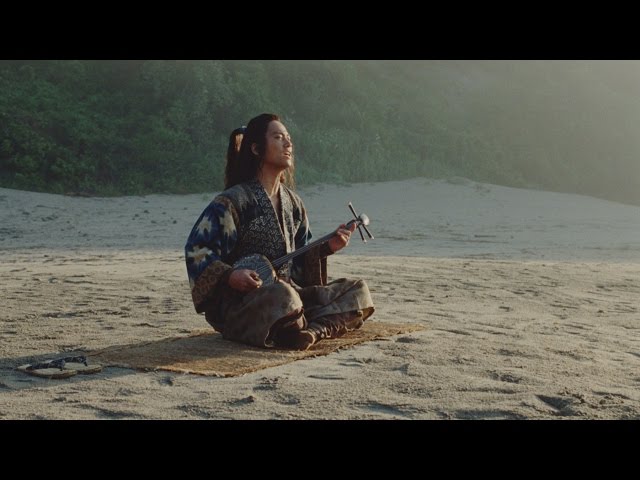
It was released in 2015 as a digitally distributed single under the name “Urashima Taro (Kenta Kiritani).” This original song was created as the commercial track for the au Santaro series—specifically for the “au Feature Phone ‘Voice of the Sea’” ad, in which Kenta Kiritani, playing Urashima Taro, sings within the commercial.
After its simultaneous release, it topped the overall charts on 13 distribution platforms including the iTunes Store and RecoChoku, becoming a major hit.
It’s a song that showcased Kenta Kiritani’s impressive vocal ability.
Recommended ballad songs for junior high school students. Classic and popular Japanese songs (51–60)
katahira rina

It was released in 2016 as Rina Katahira’s sixth single.
It’s her first ultimate heartbreak ballad, with lyrics about a delicate woman who, out of kindness, feels she must not show her tears.
Rina Katahira’s gentle, delicate voice makes it a heartbreak ballad that truly touches the heart.
It might feel a bit mature for junior high school students going through a breakup, but even just listening to the vocals and sound can be soothing.
Dear BrideNishino Kana

It was released in 2016 as Kana Nishino’s 29th single.
Written for a friend who was getting married, it was her first wedding song, with lyrics that offer “words to the bride” only a close friend could say.
With this song, she won the top prize for the first time at the 49th Japan Cable Awards.
Its clear, heartwarming lyrics left a strong impression, and many people know it as a song they heard every morning as the theme for Fuji TV’s Mezamashi TV.
The reason I was bornTakahashi Yuu

It was released in 2016 as Yu Takahashi’s 14th major-label single.
The song was written in response to the marriage of a staff member who had worked with Takahashi since before his debut, and its lyrics, told from the groom’s perspective, reflect on meeting someone, getting married, the birth of life, and happiness.
While it’s a popular wedding song, it’s also a piece that even junior high school students can listen to and feel that they were born loved.
Yu Takahashi’s gentle singing voice resonates with the heart.
futureKobukuro

Released in 2016 as Kobukuro’s 27th single.
The song was used as the theme for the Toho-distributed film “orange” and as the ending theme for the UHF anime “orange,” and it reached No.
4 on the Oricon Singles Daily Chart.
It’s an uplifting ballad perfect for junior high school students who are about to shine as they head toward the future.
Love StoryAmuro Namie

Released in 2011 as Namie Amuro’s 38th single.
It was the tie-in song for the Monday 9 p.m.
drama “Watashi ga Renai Dekinai Riyuu” (The Reason I Can’t Find My Love).
She made a guest appearance as herself in episode 9 of the drama and performed “Love Story.” The song surpassed 3 million downloads and is known for showcasing Namie Amuro’s clear, soaring vocals.
bowknotAimer

This is Aimer’s 11th single, released in 2016.
Many people are likely captivated by Aimer’s clear, transparent vocals.
It’s a heartrending ballad that warms your heart just by listening.
Many listeners may also find her distinctive voice soothing.