

I want to run an escape game at the school festival! How to create a real-life escape game and tips


Some of you might be thinking about creating a real escape game as your school festival attraction.
It’s a game where you solve various puzzles with the goal of escaping from a locked room, and it originally started as a computer game.
Recently, real escape games—where participants are actually locked in and try to escape—have been getting a lot of attention.
If you can pull this off as a school festival exhibit, it will definitely become a hot topic, but many people probably don’t know how to make one.
So in this article, we’ll introduce how to create an escape game and tips to improve its quality!
Things to decide for story creation (1–10)
When creating your own original real-life escape game, start by crafting the game’s story.
Some people might think, “Isn’t the essence of an escape game the puzzles? Can’t the story come later?” But if the story is well made, players become immersed in the game, and the experience becomes much richer.
That said, most people have never thought about writing a story for an escape game, and actually making one can be difficult.
So first, let’s go over which elements you should decide on!
Target players and difficulty
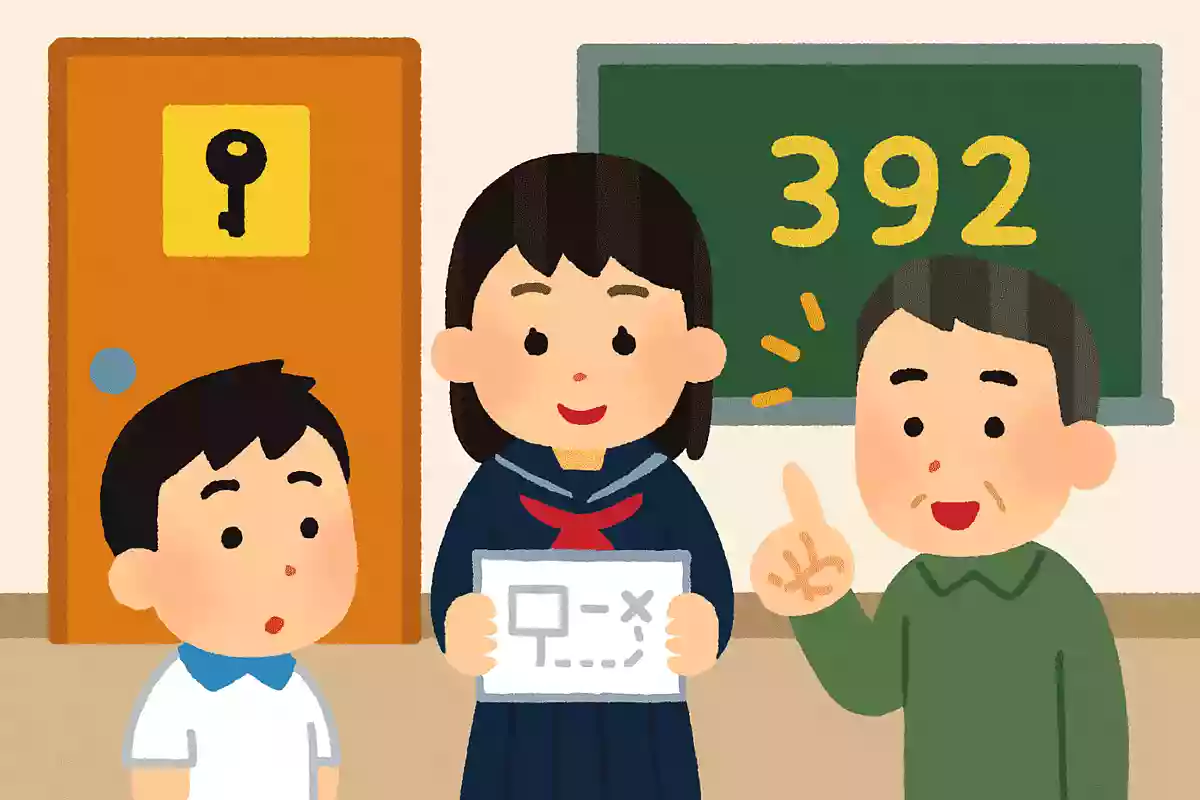
First, decide on the target players who will participate in the escape game, and tailor the content accordingly.
For example, if the target is high school students, consider a school-themed story or events they learned about in world history class.
If the target is elementary school students, simpler and easier-to-understand content is better.
Content that parallels popular TV dramas or anime can be recommended regardless of age.
In this way, making the content highly relatable to the target players will help them enjoy it more.
Additionally, defining your target players in advance has the advantage of allowing you to create puzzles with difficulty levels suited to them.
This will keep players engaged and immersed in the game until the end, so be sure to set your target players at the very beginning.

The basic situation of the story
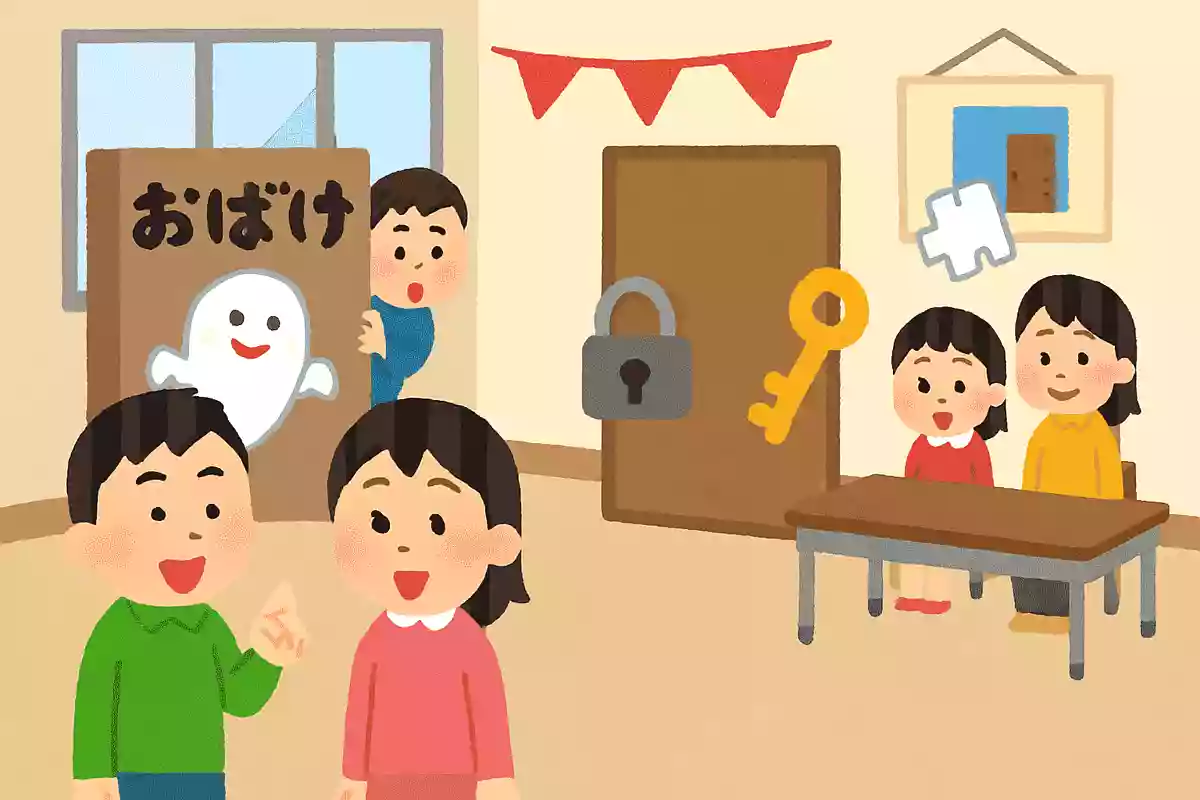
Once you’ve set your target players, the next step is to create the story.
The first thing to do in story creation is to think about the foundational situation that will serve as the base of the narrative.
The situation you decide here consists of the time period and the setting: Is it the 17th century or the present day? Japan or abroad? A prison cell or a classroom? Let’s define the overall outline of the game’s story here.
Who is the player?
Once you’ve established the foundation of your story, the next thing to consider is: Who is the player? For example, set the player’s role to match the story’s foundation—an ordinary villager, a powerful mayor, a student at a fictional school, and so on.
At this stage, if you flesh out details like their favorite food or background, it can help with both story creation and puzzle design, so work on it if you have the time.
Why was I locked up?
Once you’ve decided on the historical context, location, and player settings, it’s time to determine why the player is trapped here.
By fleshing this part out thoroughly, players will become immersed in the game and the story will gain depth.
Try creating an original setup while drawing inspiration from existing escape games, or by referencing anime and dramas!
What do you want to do after you escape?
It’s a good idea to decide not only why the player has been confined, but also what they want to do after they escape.
For example: “Attend my sister’s wedding,” “Return to the children who are waiting for me,” or “Get out of here and prove my innocence.” Set these goals to match the foundation of your story.
Doing so will help players empathize with the narrative and give them a strong reason to become absorbed in the game.
How to Create Problems and Tips (1–10)
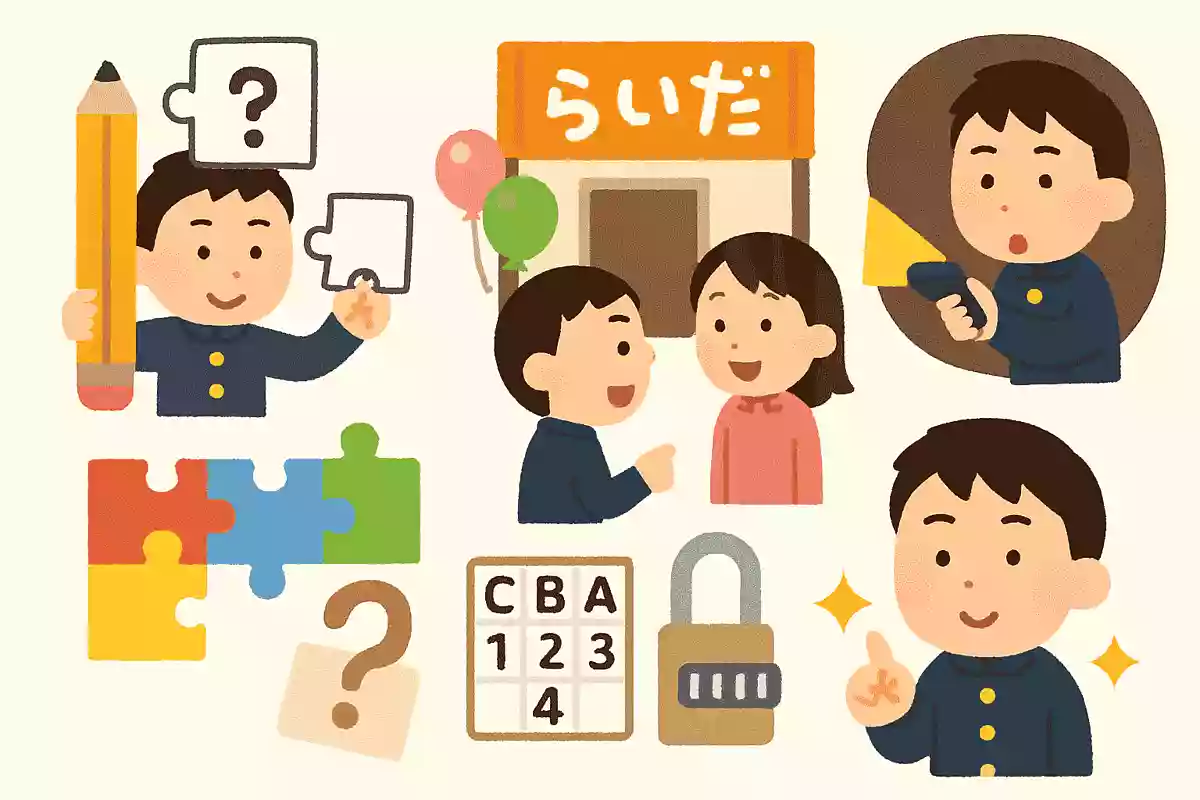
Once the story is mostly decided, it’s time to start creating the main content of the escape game: the puzzle-solving section! Here, I’ll introduce the order in which to create the puzzles and some tips for designing them.
First, make the last problem.
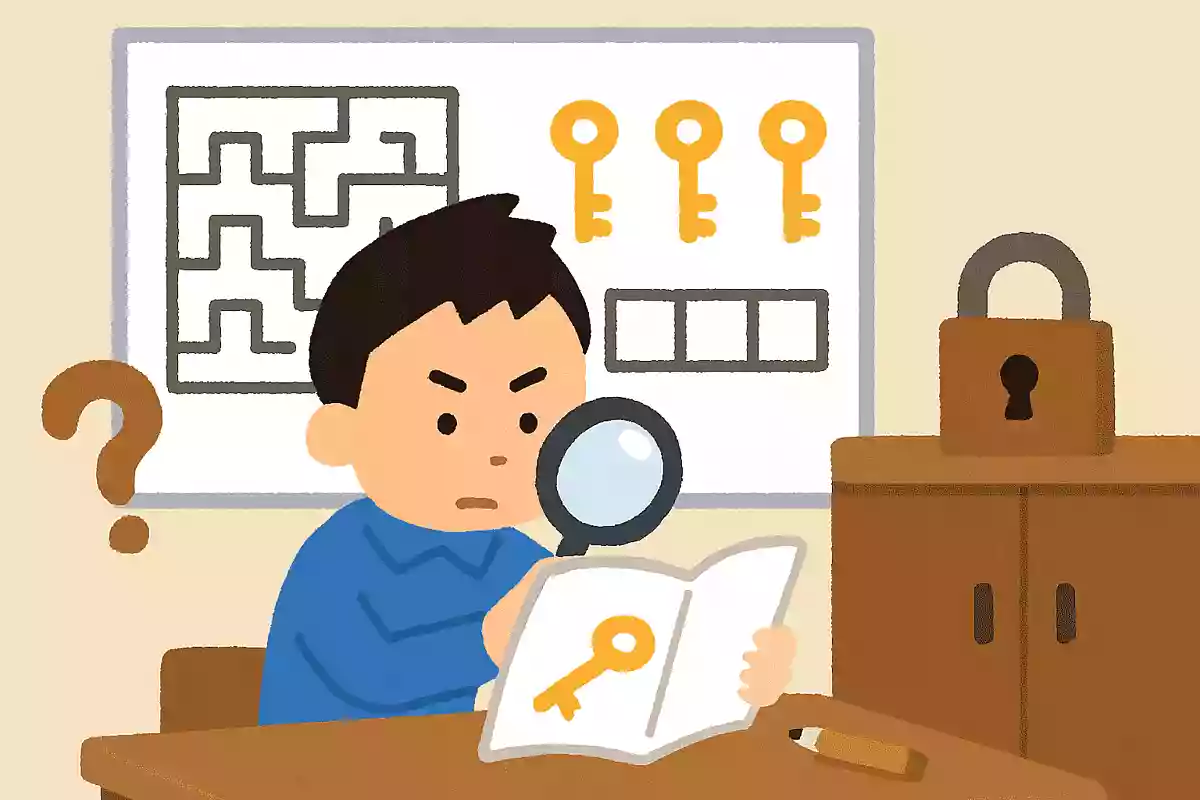
Escape room puzzles can broadly be divided into three types: large, medium, and small.
Among them, the large puzzle is the most difficult and is tackled at the very end of the game—solving it clears the game and lets you escape.
Medium puzzles are a bit easier but still satisfying, while small puzzles are light, enjoyable challenges that appear early on.
Of these three types, let’s start by designing the final puzzle first.
The reason is that this puzzle is the game’s biggest highlight, and the small and medium puzzles presented beforehand should serve as stepping stones toward it.
Once you create the large final puzzle, making the small and medium puzzles lead into it will add consistency and narrative flow, making the experience even more exciting.
Create problems that match the story
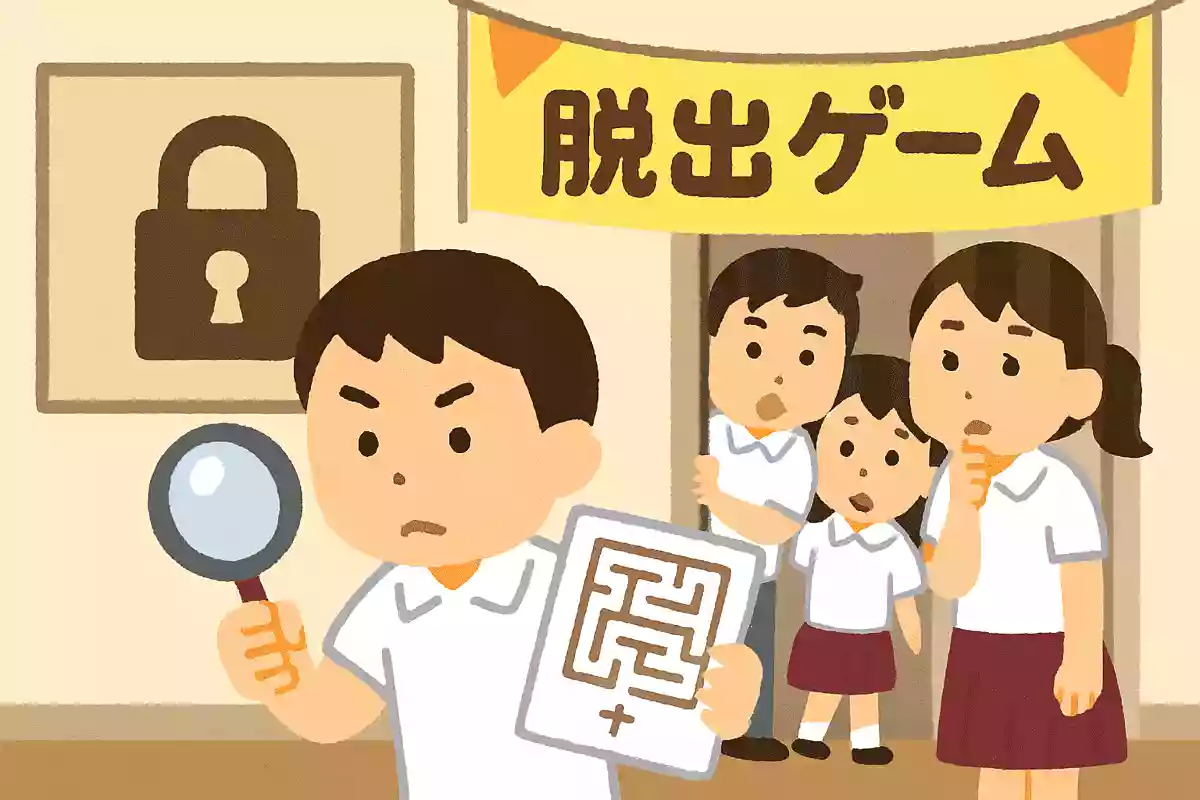
We already introduced the tip of “starting by creating the big final question,” but next is about the content of the questions.
If you align the questions with the story you decided on earlier, you can create a sense of cohesion throughout the game and help players become immersed in it.
For example, if the story is set in a school, make the questions related to academics; if the theme is world history, tailor them to the relevant era.
Try to craft questions that tie in smoothly with the story.