

How to Create and Tips for Mystery-Solving Games for School Cultural Festivals


Puzzle solving that’s popular with everyone from kids to adults!
Events are held all over the country, and there are even TV shows that feature puzzle challenges—lots of people are hooked on their charm.
You might be thinking about incorporating puzzle solving as an attraction for a school or cultural festival.
In this article, we’ll show you how to create puzzle-solving activities that are perfect for festival booths!
We’ll also share tips for crafting problems and stories, so be sure to use them as a reference.
Let’s create a fun puzzle experience that can rival any event!
Things to do first (1–10)
First, let me introduce the very first thing you should do when creating a puzzle.
Even if you’re thinking, “I want to do something like this,” if the foundation isn’t properly set, it may not come together well, or even if it does, it might end up not being very interesting.
It’s important that not only the visitors to your school festival enjoy it, but the creators do too.
To make it a festival that everyone will remember, decide firmly on the points I’m about to introduce, and then refine the details from there.
Decide the venue
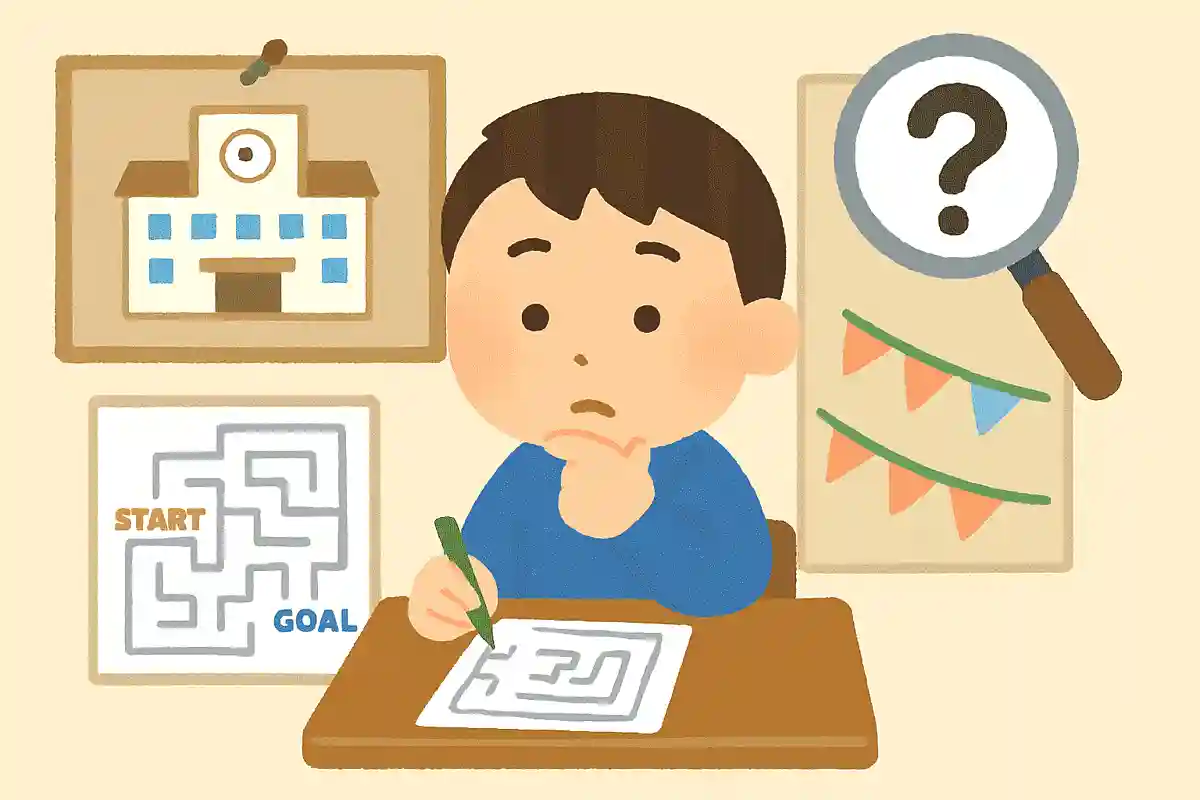
The very first thing you need to do when creating a puzzle-solving game is decide on the venue.
At a school, there are various rooms—classrooms, the gym, the music room, special rooms like the audiovisual room, and so on.
Coordination with other classes’ activities is a factor, but if you have the freedom to choose, pick a location that matches the image you want to create.
When selecting the venue, you also need to decide how you will use what’s already there and whether to remove any unnecessary items that can be taken out.
Additionally, choose the venue with the flow of movement in mind.

Decide on the target respondents
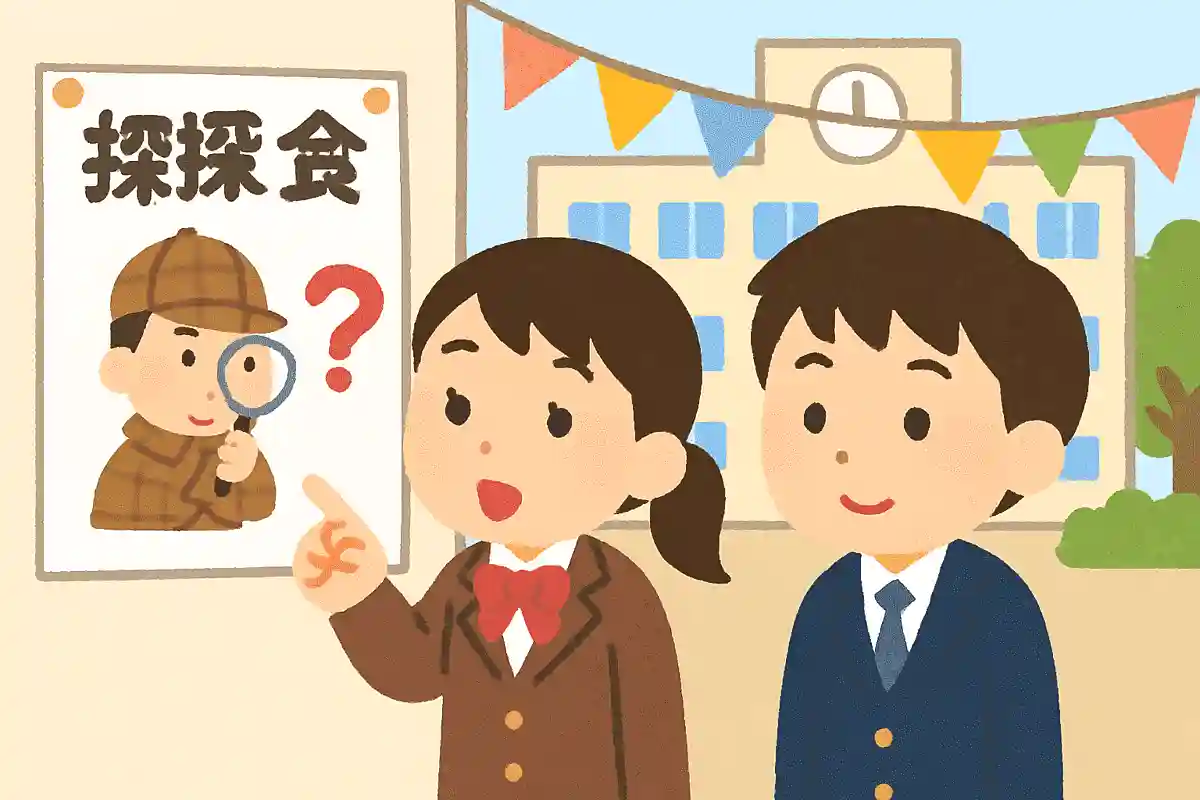
It’s important to decide on a target audience for who you mainly want to play the puzzle-solving game.
Keep in mind that at a school festival, the age range of visitors is surprisingly broad—people your own age, parents’ generation, and even siblings.
If you determine a specific generation you especially want to enjoy it, that will help when creating the puzzles, such as setting the difficulty level and choosing themes to include.
Deciding on an age group doesn’t mean others can’t participate, but narrowing down the target to some extent will help give the whole project a cohesive feel.
Think of a story
When creating a puzzle-solving game, having players simply tackle puzzle after puzzle can work, but adding a story makes for an even more enjoyable experience.
Broadly, there are two types of stories: the fantastical type, which creates otherworldly or otherwise rare situations you can’t easily experience in real life, and the realistic type, which captures everyday life at school, work, or home.
Since the main purpose of a puzzle game is the puzzles themselves, a story that’s closer to reality—without straying too far into the fantastical—is recommended.
If you choose a fantastical setting, make sure it’s crafted in a way that truly brings the puzzles to life.
Decide the amount of puzzles and mechanisms
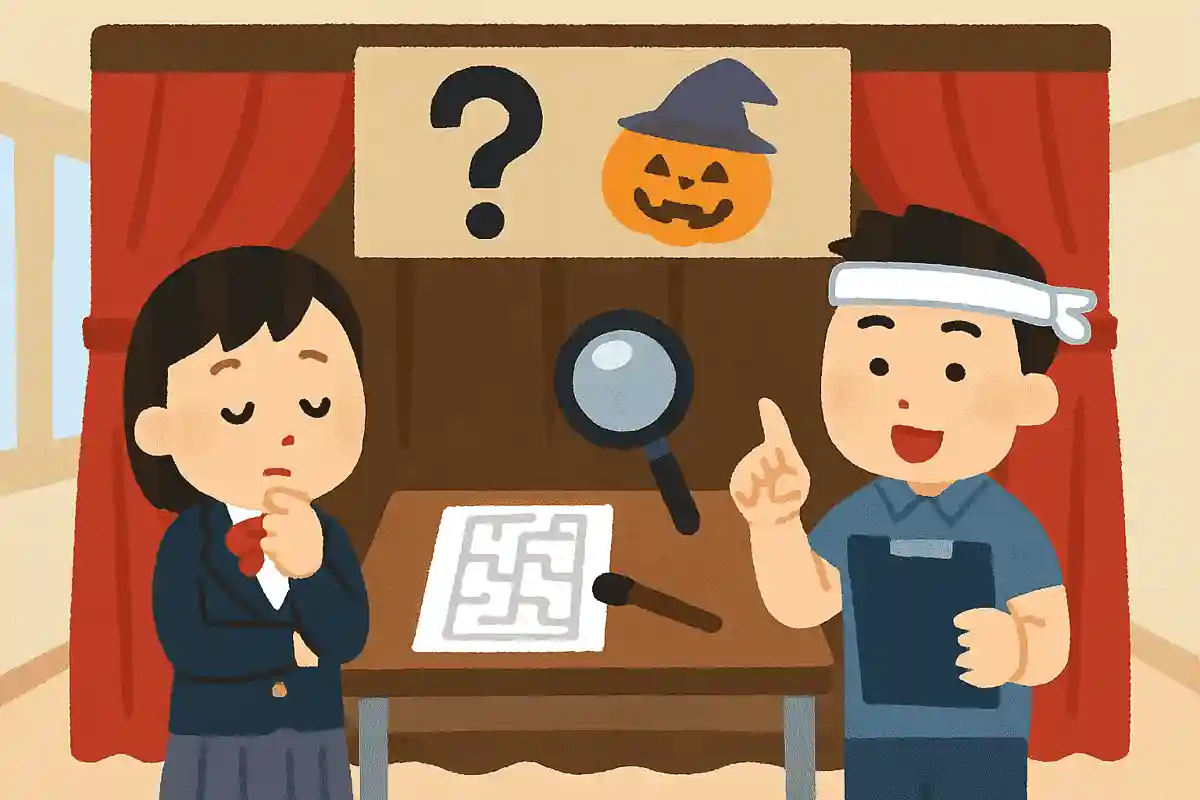
Once the story is set, you need to decide how many puzzle-solving challenges to include within it.
You should also think about the mechanisms that will be triggered when those puzzles are solved.
If you just create as many as you like without a plan, the players may get bored, and the activity could end up not being enjoyable.
Therefore, deciding in advance how many puzzles to include in the story and what kinds of mechanisms to attach to them is something you should settle from the outset.
Thinking about big mysteries
When designing a puzzle-solving game, start by thinking about the central, overarching mystery that forms the core of the story.
Aim for a structure where solving the smaller puzzles scattered throughout ultimately leads to unraveling the big mystery at the end.
For example, in a mystery-themed story, the player might solve each in-game puzzle one by one to identify the culprit—the revelation of the culprit serves as the central mystery.
At the stage when you’re deciding the story, it’s a good idea to think in advance about what kinds of mysteries and secrets this attraction will contain.
Think about a small riddle
Once you’ve conceived the overarching mystery, start creating smaller puzzles that chart the path toward solving it.
These can be puzzles that serve as instructions leading to the main mystery or riddles that act as hints.
What you must keep in mind is that the content must always align with the story and the overarching mystery.
To ensure customers can reach the goal, prepare puzzles that, even if challenging, will clearly open the way forward once solved.
Thinking about how to input the answer
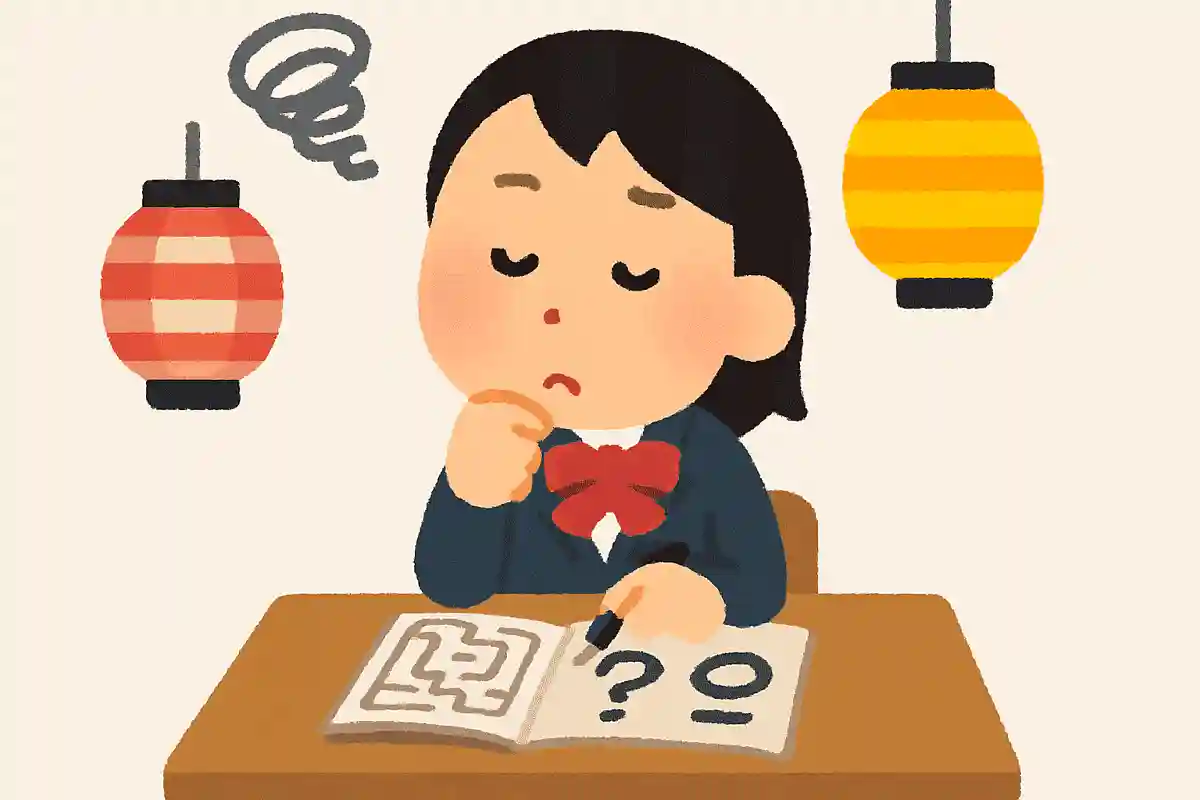
Before participants solve the puzzle, decide where they should present their answers.
One option is to station staff at each puzzle location and have participants show their answers to confirm whether they’re correct.
However, if you’d rather not place staff around the venue for thematic reasons, you could have participants use tablets to check their answers.
Alternatively, it’s also recommended to implement mechanisms that let participants input answers directly—for example, setting the solution numbers on a number lock to open the next door, or pressing a button labeled with the correct answer to proceed.
Tips for Storytelling (1–10)
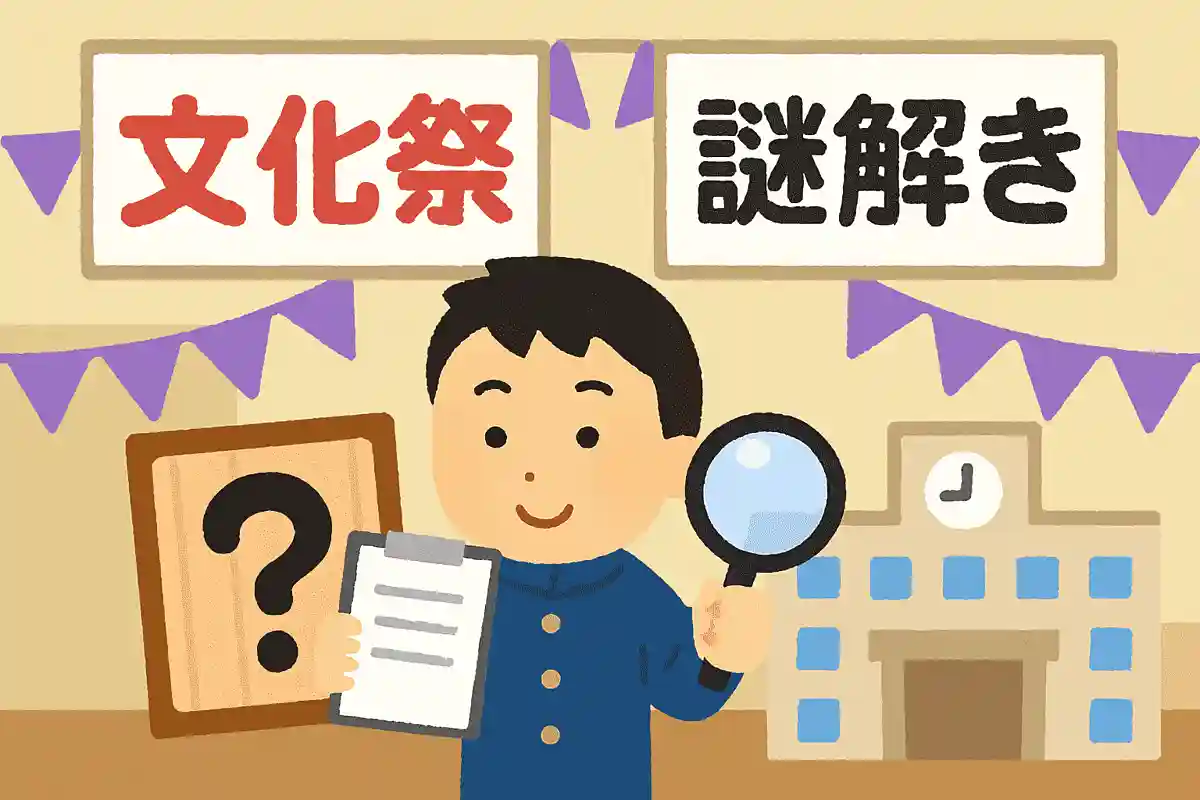
Next, I’ll share some tips for creating stories for puzzle-solving games.
In these games, the story is just as important as the puzzles themselves.
That’s why many people find story creation just as challenging as designing the puzzles.
If you’re struggling with building a story, please use the following suggestions as a reference.
Also, if there’s a puzzle event happening nearby, I recommend attending one in person.
Let’s make sure players can enjoy not only the puzzles, but the story that unfolds as well!