

Ballad songs that are easy to sing at karaoke. Recommended classics and popular hits.


Are there many of you thinking, “I want to sing a ballad at karaoke, but I’m not very confident in my singing…”?
Actually, ballads are great for people who aren’t confident singers!
That’s because slower-tempo songs let you check your pitch and rhythm as you sing.
In other words, if you choose ballads with less pitch movement and an easy-to-follow rhythm, even those who struggle with singing should find them easier to sing!
In this article, we’ll introduce recommended ballad songs that are easy to sing at karaoke.
Use the songs we introduce as a reference to find one that’s comfortable for you to sing!
- Even karaoke beginners can relax! Easy-to-sing songs for men
- [Karaoke] A roundup of songs that are easy for women to sing!
- Karaoke songs recommended for men with low voices or who are good at singing in a low register
- A must-see for low-voiced women! Popular songs that are easy to sing at karaoke
- [For Men] What Karaoke Songs Make It Easy to Score 100? A Curated List of Easy-to-Sing Tracks
- Recommended ballad songs for women
- [Karaoke] Classic and Popular Ballad Songs You’ll Want to Sing at Karaoke
- [Even If You're Tone-Deaf, It's Okay!] Easy-to-Sing Karaoke Songs and Practice Tracks
- Karaoke songs that make it easy to score 100 points [for women]
- No worries even if you’re not confident in your singing! Simple, easy-to-sing songs for karaoke.
- Easy-to-sing karaoke songs: Classic picks for women in their 40s
- Recommended picks for karaoke! Easy-to-sing songs recommended for Gen Z
- No worries if you're tone-deaf! Easy-to-sing J-pop songs for karaoke
Ballad songs that are easy to sing at karaoke. Recommended classics and popular tracks (51–60)
milk teaFukuyama Masaharu

Among vocal training students who struggle with high notes, a very common comment is, “Because my voice is low, Masaharu Fukuyama’s songs are easy to sing!” In fact, Fukuyama’s songs often have a wide low range and don’t feature many excessively high notes, so there are plenty of songs you can sing in the original key.
However, one caveat is that if you sing the low notes with your throat as if you’re speaking, even a comfortable range can feel strenuous.
It’s important to vibrate the vocal cords at every pitch, so place your hand in the hollow between your collarbones and try singing while checking that your vocal cords are properly vibrating.
Also, when producing sound, aim your voice as if projecting to a distant point; this helps engage the vocal cords rather than the throat.
Instead of mumbling up close, it’s best to sing as clearly and crisply as possible.

cherrysupittsu

Released in 1996, this is one of Spitz’s signature songs and has been covered by many artists.
Its tempo—neither too slow nor too fast, just about a walking pace—and its bright tone filled with the sense that something new is about to begin really lift your spirits.
It’s a popular song that often ranks high in the annual karaoke charts published by karaoke manufacturers.
The original key is a bit high for a male voice, so be mindful when setting the key.

Nandemonaiya (movie ver.)Kamishiraishi Mone
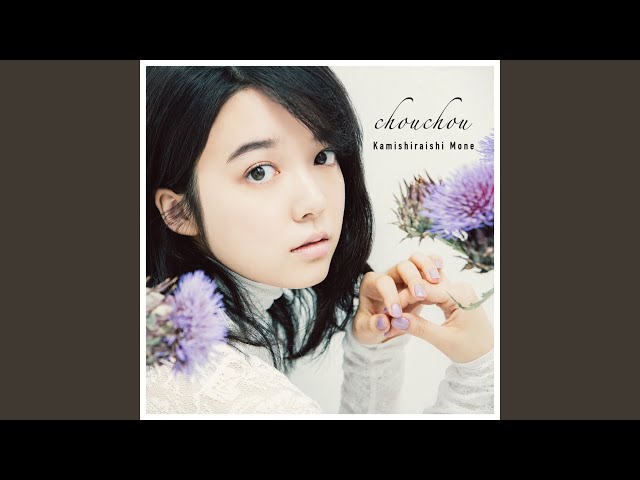
A hit number from director Makoto Shinkai’s smash anime film Your Name.
The song was written and composed by Yojiro Noda of RADWIMPS.
While RADWIMPS perform it, Mone Kamishiraishi, who played the heroine Mitsuha in the film, also sings this song.
If you imitate Mone Kamishiraishi’s clear, deliberate style—carefully enunciating each word—you’ll be fine singing it at karaoke! The tempo is relaxed, so there’s no need to rush; just follow the lyrics at your own pace and you’ll have nothing to worry about.
Since both the movie and the song were hugely popular, the friends you go to karaoke with will surely help you out.

Hello, my friendMatsutōya Yumi

It was released in 1994 as Yumi Matsutoya’s 25th single.
The song was used as the theme for Fuji TV’s Monday 9 p.m.
drama “A Summer with You,” reached No.
1 on the Oricon Weekly Singles Chart, and sold over a million copies.
It depicts late-summer scenes and is a ballad that can be sung with a gentle, expressive touch.
Easy-to-sing ballad songs for karaoke: Recommended masterpieces and popular tracks (61–70)
Wherever you areONE OK ROCK

ONE OK ROCK’s signature song “Wherever you are.” Since it’s sung as a love song that vows eternity, you’ll want to use falsetto to really bring out the song’s appeal.
That said, the falsetto in “Wherever you are” appears mainly at the beginning.
The song builds toward the latter half, so about two-thirds is sung in chest voice.
If you sing the initial guitar-backed section firmly in falsetto to create contrast, it lands stylishly.
Many people who like rock and band music seem to want to sing ONE OK ROCK.
The high range can be a hurdle, but ballads let you cover the high notes with falsetto, so they’re recommended.
Open your throat and keep the breath flowing steadily!
EXILEmichi
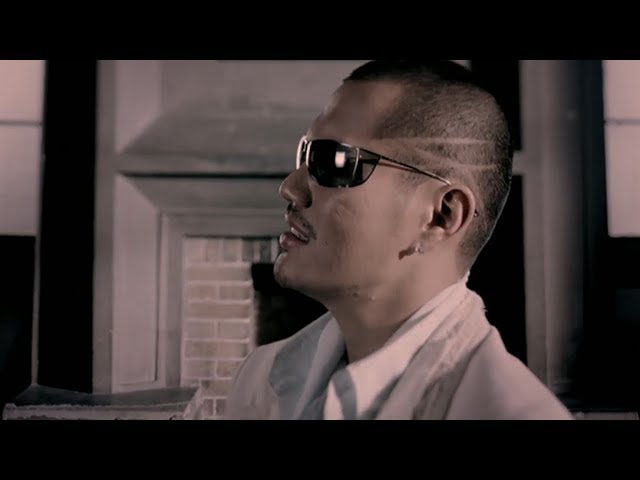
It’s a classic EXILE ballad! I’ve actually sung EXILE songs live myself, and as a woman I was shocked at how low they are.
Even raising the key by two semitones still felt low, so I think EXILE’s range is very much tailored to male voices.
Michi, with its relaxed tempo, sits around B2–A4, and the chest-voice section in the bridge feels a bit high.
That said, for karaoke scoring, singing in falsetto will almost always match pitch more accurately, so choose whichever approach you prefer! Key points: sing carefully overall to keep your pitch aligned, take breaths at each phrase, and be mindful of pitch tendencies at the ends of phrases.
If you focus on these three, a perfect 100 is definitely within reach! As you keep practicing, it’s also a song where expressive delivery tends to add points, so give it a try!
ZUTTOMariko Nagai
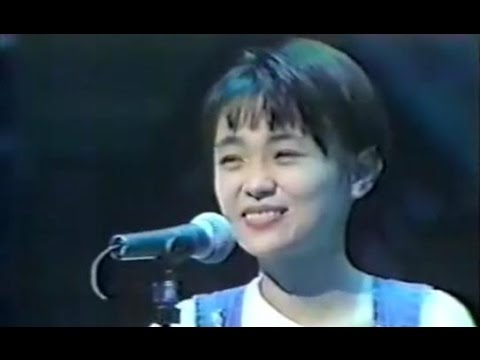
It was released in 1990 as Mariko Nagai’s 12th single.
The song was used as the ending theme for Fuji TV’s “Hocchan no Yamada Katsutenai TV.” Although it peaked at No.
2 on the Oricon charts, it remained in the top 10 for 12 weeks as a long-running hit, and led to her first appearance at the 42nd NHK Kōhaku Uta Gassen.