

Popular songs that are easy to sing at karaoke. Recommended classics and hit songs.

Many people probably go to karaoke with friends, coworkers, or their significant others, right?
That said, there are also plenty of people who enjoy the fun atmosphere of karaoke but lack confidence in their singing or aren’t sure what songs to choose.
In this article, we’ll introduce songs that are especially easy to sing, selected from popular tracks across a wide range of age groups that are frequently performed at karaoke.
We’ve gathered songs that get everyone hyped, ones that feel great to sing, and gentle, laid-back tunes.
Use this article as a guide and give them a try at your next karaoke session!
- No worries even if you’re not confident in your singing! Simple, easy-to-sing songs for karaoke.
- No worries if you're tone-deaf! Easy-to-sing J-pop songs for karaoke
- [Even if you're not confident] Easy-to-sing songs for karaoke
- Heisei-era masterpieces: Easy to sing! Carefully selected songs recommended for karaoke choices!
- Songs everyone knows across generations. A roundup of karaoke tracks anyone can sing, regardless of age.
- Gentle songs you want to sing at karaoke. Recommended classics and popular hits.
- Even for those not confident in their singing! Easy-to-sing karaoke songs released in the Reiwa era
- Ballad songs that are easy to sing at karaoke. Recommended classics and popular hits.
- [Karaoke] Songs That Make It Easy to Score High | From Classics to the Newest Hits
- Recommended picks for karaoke! Easy-to-sing songs recommended for Gen Z
- Moving masterpieces and popular songs you’ll want to sing at karaoke
- Even karaoke beginners can relax! Easy-to-sing songs for men
- [For Women] Easy-to-Sing and Crowd-Pleasing Karaoke Songs
Popular songs that are easy to sing at karaoke. Recommended masterpieces and hit songs (21–30)
A Midsummer Night’s DreamMatsutōya Yumi

It’s one of Yuming’s signature songs, a huge hit as a TV drama theme that sold over a million copies.
Watching my mother sing it at karaoke, I naturally learned to sing it too.
Its alluring, mysterious melody and easy-to-sing key are especially appealing.
Glass BoyKinKi Kids

Released in 1997, this is KinKi Kids’ debut single and one of their signature songs.
Composed by Tatsuro Yamashita, it features an alluring melody that is both poignant and delicately precarious.
It’s easy to remember and sing, so it’s still a popular choice at karaoke today.
Popular easy-to-sing karaoke songs: recommended classics and hit tracks (31–40)
Hikari TowaORANGE RANGE

This song was released in October 2025 and was created as the theme song for the film “Strawberry Moon: A Love with Six Months to Live.” ORANGE RANGE, who were hugely popular in the Heisei era, are back with a tearjerking Range for the Reiwa era! “Towano Hikari” is an emotional ballad following in the footsteps of “Hana” and “Love Parade.” The overall vocal range isn’t too high, making it easy to sing with feeling, so I highly recommend it.
Also, since ORANGE RANGE has three vocalists with divided parts, splitting the parts among singers is guaranteed to be fun! Speaking of Range’s ballads, I always love RYO’s part that comes in at the very end.
I’d love to hear that section sung with a cool, rich voice! Be careful not to strain your throat—lift your facial muscles and use plenty of breath.

STORYGReeeeN

The song “STORY,” included on the 3rd album Salt and Pepper, features lyrics that remind us everyone has their own life story, easing the loneliness we may feel when our days get hectic.
The key is low and the range isn’t wide, making it easy to sing, but be careful not to fall behind on the fast rap parts and rhythms.
It’s a sentimental number with the sound of acoustic guitar, and you can even have a friend sing the higher parts to make it more fun.

ultra soulB’z

A signature song by the hugely popular rock band B’z.
It’s famous as the theme song for the FINA World Championships, with an upbeat groove and catchy phrases that stick in your head.
It’s extremely well-known, has a great tempo, and always gets people fired up, so anyone—regardless of gender—will feel energized singing it.
Linda LindaTHE BLUE HEARTS
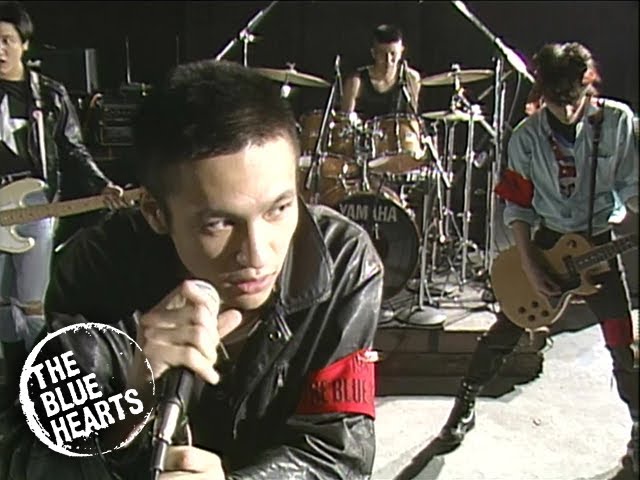
A signature song by THE BLUE HEARTS that everyone knows, young and old alike—powerful and uplifting.
It features an easy-to-remember melody.
In the part where the chorus repeats, everyone can shout, headbang, and have a blast—an up-tempo track that’s guaranteed to get the crowd going.
One Night CarnivalKishidan

With their pompadours and school uniforms as trademarks, this is Kishidan’s major-label debut single.
Between the spoken interludes and dance moves reminiscent of parapara, it’s a guaranteed crowd-pleaser at karaoke.
Rather than a solo showcase, it’s an upbeat tune that pulls everyone in to sing along.