

[Long Songs] Songs over 6 minutes long that you want to sing at karaoke


What kind of songs do you sing at karaoke?There’s a wide range of tracks, from energizing up-tempo numbers to mellow ballads that resonate with the heart, but here we’ll focus on the “length of the performance.”At karaoke, you want to sing your favorite songs comfortably while being mindful of the vibe, right?Songs that run over six minutes might be hard to pick in a large group, but they’re all wonderful—so enjoy them to the fullest when singing solo, with close friends, or among fellow fans!
- Songs that make it easy to score 100 at karaoke! Introducing foolproof tracks men can aim for
- [Karaoke] A roundup of songs that are easy for women to sing!
- [Karaoke] Songs That Make It Easy to Score High | From Classics to the Newest Hits
- Moving masterpieces and popular songs you’ll want to sing at karaoke
- A must-see for low-voiced women! Popular songs that are easy to sing at karaoke
- Songs Women Want Men to Sing: Popular Karaoke Picks Chosen by Girls
- Pick out the challenging songs that will earn you respect if you can nail them at karaoke!
- Feel-Good Songs: Belt Them Out at Karaoke! A Roundup of Popular Numbers
- Even karaoke beginners can relax! Easy-to-sing songs for men
- Popular Youth Songs Ranking [2026]
- A lineup of classic hits! Karaoke songs recommended for the yutori generation
- [Around 1-minute J-Pop] Short and addictive! A roundup of catchy tunes you can’t get out of your head!
- Popular Dance Songs Ranking [2026]
[Long Songs] Long tracks of 6 minutes or more that you’ll want to sing at karaoke (71–80)
PRAYING RUNUVERworld

If you want to enjoy yourself at karaoke from the bottom of your heart, UVERworld’s PRAYING RUN—clocking in at over six minutes—is an essential pick.
Formed by childhood friends from Shiga Prefecture, the band delivers fiery, straightforward messages with a loud, powerful sound, and this 2015 release is no exception.
Its empowering lyrics, which celebrate freedom, are perfect for creating and expressing that spirit on a karaoke stage.
It’s ideal both for solo sessions where you sink into deep feelings and for comfortable jams with trusted friends.
Proclaiming that you have to create your own meaning in life, this track carries a resonant statement—exactly the kind of song you’ll want to belt out at karaoke.
Name of the FlowerBUMP OF CHICKEN

A gem of a message song that spins feelings words can’t capture.
This over-six-minute epic from BUMP OF CHICKEN gently embraces the emotions we all hold for the people we want to see and the ones we’re waiting for.
Created after the band spent an entire night talking with the film’s director, the track was released in October 2007 as the theme song for the movie “ALWAYS: Sunset on Third Street 2,” topping the Oricon Weekly Singles Chart.
It also achieved the remarkable feat of monopolizing the top two spots alongside the simultaneously released single “Mayday.” Included on the album “orbital period,” the song—marked by its distinctive electric sitar tone—radiates a warm atmosphere that evokes the bonds with those we cherish.
It’s a piece you’ll want to sing with care, whether solo at karaoke or with close friends.
Hypnosis Mic -Alternative Rap Battle-Hipunoshisumaiku Division All Stars

Countless people have fallen into this swamp and can’t climb out! From Hypnosis Mic, the music project by popular voice actors, here’s “Hypnosis Mic -Alternative Rap Battle-”! This track was chosen as the theme song for the smartphone game of the same name.
With a total of 12 performers, it’s a powerful, hype-inducing number! Aggressive synths collide with powerful flows! Try tackling it together with everyone at karaoke!

killing timekinoko teikoku

It’s a song that begins with a sentimental guitar tone and then draws you into a distinctive worldview.
Created by Kinoko Teikoku, it’s included on their mini-album “Uzu ni Naru,” released in May 2012.
An over-eight-minute epic depicting the tedium of everyday life and inner turmoil.
It features Kinoko Teikoku’s signature emotional sound influenced by shoegaze and post-rock.
It’s packed with subtle feelings of loneliness, anxiety, and a kind of resignation felt within a monotonous routine.
A track you’ll want to sing slowly and thoroughly at solo karaoke or with a small group of close friends.
RED HILLCHAGE and ASKA
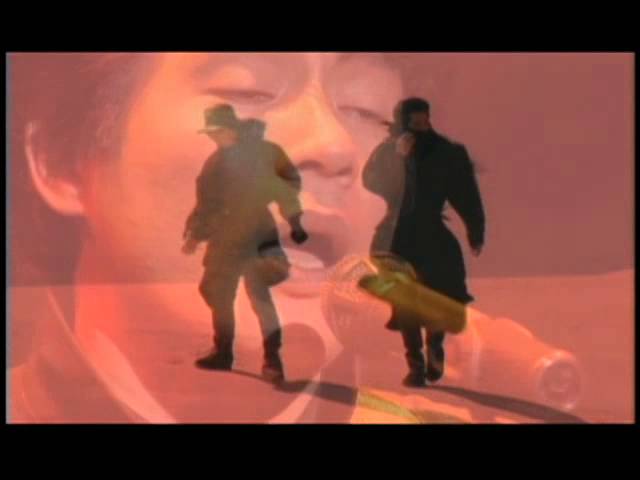
When it comes to artists who enjoyed immense popularity during the peak era of CD sales in Japanese music in the 80s and 90s, CHAGE and ASKA come to mind! “RED HILL” is included on the album of the same title, “RED HILL.” In the lyrics, there’s a whispered “What should I do?”, expressing the inner conflict of choosing between options, with the fear that the choice might lead to hell.
Many people find CHAGE and ASKA’s songs hard to sing because of the high notes, but this one is mid-tempo, so I think it’s singable!
Scene of angelsOzawa Kenji

A number that runs for over 10 minutes—the longest in Kenji Ozawa’s catalog.
It’s included on the album Inu wa Hoeru ga Caravan wa Susumu, later retitled and re-released as dogs.
With Ozawa’s gentle vocals and a relaxed, steady tempo that reflects on everyday life, the song has a solid core about moving forward in life.
It’s recommended for those who want to soak in the atmosphere of Ozawa’s music and sing at an easy pace while immersing themselves in his world.
The mood gradually brightens as it goes, so enjoy singing while feeling that change, too!

miraclekururi

Many of you may have heard it since it was used in a commercial.
It’s a song by Quruli, a rock band from Kyoto, released in 2011 as their 24th single.
It also served as the theme song for a film of the same name.
It’s a gentle ballad whose warm sound slowly seeps into your heart.
The relaxed melody pairs perfectly with lyrics that express down-to-earth feelings.
Give it a try when you want to create a calm atmosphere at karaoke.