

Songs with titles starting with “Ki” [Great for karaoke & shiritori!]

Songs with titles starting with “ki,” featuring many frequently appearing words like “kimi” (you) and “kibou” (hope).
Hit songs pop up regularly, and their impactful phrases and fresh, distinctive worlds leave a strong impression.
I can’t think of many off the top of my head, so I want to look them up a bit…! We’ve gathered a list of songs with titles that start with “ki” that might come in handy at such times.
Please use it not only when you’re curious about what songs begin with “ki,” but also as inspiration for word-chain games or choosing tracks at karaoke.
- A compilation of Vocaloid songs with titles that start with “Ki”
- Songs with titles that start with 'gi'
- Songs with titles that start with 'Ke'
- A roundup of songs that start with “ku.” Perfect for shiritori or picking karaoke tracks!
- Songs with titles starting with “Ko” [Great for karaoke and shiritori, too!]
- A roundup of Vocaloid songs with titles that start with “Ke”
- Masterpieces with titles that start with 'A'
- Songs with titles that start with “Pi.” Useful for word-chain games or karaoke hints!
- Songs with titles that start with “Ri”
- Songs with titles starting with 'Ka'
- Songs with titles that start with “Chi.” Useful as hints for word-chain games!
- Songs with titles that start with a number. Useful for karaoke or playlist selection.
- Vocaloid songs that start with 'Ka'
Songs with titles starting with 'Ki' [Great for Karaoke & Shiritori!] (131–140)
You-dependentnamu

An addictive piece that portrays dependency in love in a cute, pop style.
It’s a track by Vocaloid producer Namu, released in January 2023.
Set to a crisp, snappy rhythm, it sings of clinging to someone you love and the impatience of waiting for their message.
Emotions that could feel heavy are made charming through clever wordplay and lively guitar sounds.
With a chorus that captures accelerating feelings and sticks in your ears, it’s a Vocaloid song you’ll want to play on repeat.
If I could live with yousupittsu

A medium-tempo number filled with gentle warmth that helps you forget the hustle and bustle of everyday life.
While it doesn’t have any flashy climaxes, its worldview—depicting the small joys of daily life with a touch of wistfulness—deeply resonates with listeners.
It was included as the closing track on the sixth album, “Hachimitsu,” released in September 1995.
Though it wasn’t released as a single, it has long been cherished by fans as a crucial piece that defines the lingering afterglow of this classic album.
With few leaps in vocal range and a simple melody, it’s something you can sing naturally and without strain.
It’s a perfect song for moments when you want to feel the preciousness of ordinary time spent with someone dear, or when you wish to quietly lose yourself in thought on a still night.
KISSImawano Kiyoshirō

This is straight-ahead rock ’n’ roll from Kiyoshiro Imawano, memorable for a phrase that repeatedly chants the title.
Co-written with his close friend Shinji Miyake, it’s brimming with an irresistible urge to make your body move and the warmth that only a handmade production can deliver.
Included on the album “GOD,” released in March 2005, the track was created over the course of about a year at his private studio, the Rock ’n’ Roll Laboratory.
A key highlight is that Kiyoshiro himself plays drums, conveying a hefty, muscular groove.
It has an exhilarating feel that conjures a call-and-response at a live show, making it perfect for when you need a boost or as driving music.
Its very simplicity lets his one-of-a-kind shout hit you straight in the heart.
mushroom dogHY

A work that accompanies the worldview of a story depicting a heartwarming interaction with a mysterious creature.
Released as a digital single in October 2024, it was selected as the opening theme for the TV anime “Kinoko Inu.” It is included on the 2025 album “TIME.” This playful pop tune features a chorus that repeats the title phrase and sticks in your ears.
Its gentle, light melody line is striking, as if coloring the daily lives of the anime’s protagonists.
Many listeners will likely feel their everyday fatigue melt away just by listening.
GlintHY
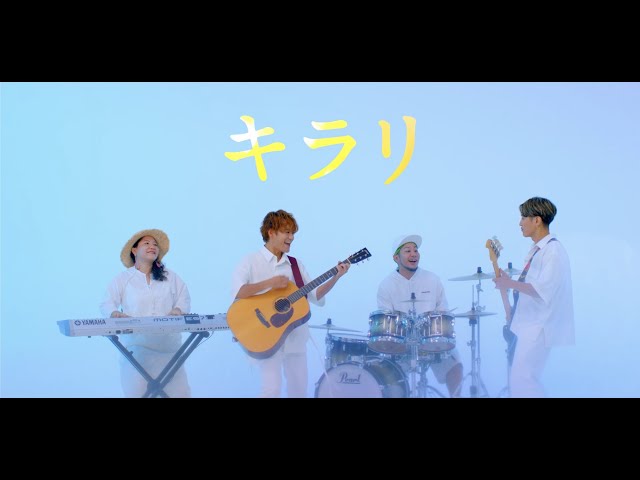
This is an exhilarating uptempo track that conjures up shining scenes of summer sun, the sea, and fireworks.
Released in June 2022 and later included on the album “Kafuu,” it was written as the campaign song for Lawson’s “Cooling Sweets.” The refreshing feeling of eating a sweet treat perfectly links with the excitement of summer; just listening makes your heart feel lighter and inspires you to head outside.
It’s recommended for when you want to start something new or refresh your mood.
KizunaORANGE RANGE

This song, with its nostalgic and warm melody, gently envelops the listener’s heart.
Released as a single by ORANGE RANGE in August 2005, it’s a ballad chosen as the theme song for the drama “Ima, Ai ni Yukimasu” (“Be with You”).
Its message—that we’re connected under the same sky even when we’re apart—reminds us of enduring friendships.
It’s perfect for karaoke with friends you haven’t seen in a while, for farewell seasons, and for moments of reminiscing.
A heartfelt track that lets you reaffirm the bonds with your precious companions.
Kizuna SongThe Back Horn

When it comes to sweeping rock ballads that shake the listener’s heart, this is the song.
Released as a single in January 2005, it was THE BACK HORN’s tenth release.
It was also used as an insert song for the video project “Kizuna Drama,” playing a key role in linking the story together.
Known for their intense rock sound, the band deliberately chose a gentle melody to depict the warmth of human relationships, creating a masterpiece.
It’s included toward the end of the acclaimed album “Headphone Children” and has long been cherished as one of the band’s signature ballads.