

Recommended for kids! A collection of challenging riddles. Difficult questions that make you think.


“Huh! That was the answer?” Ready to try some brain-teasing riddles that might make you blurt that out? If your child finds ordinary riddles too easy, the ones introduced here will have them firing on all cylinders and having fun! In this article, we’ve gathered challenging riddles that really test flexible thinking and imagination—perfect for kids to tackle.
There are plenty that kids can solve smoothly while adults end up going “hmm…” But if you think them through together as a family, you’re sure to find new discoveries and spark fun conversations.
Come on—let’s dive together into the world of riddles that stimulate intellectual curiosity!
- A collection of challenging quizzes for adults [Difficult]
- [Brain Training] Difficult Riddles That Even Adults Struggle With
- Genius if you can solve it? Super-difficult Quiz Collection
- [Trick Quiz] Quiz Questions That Excite Everyone from Kids to Adults
- [Difficult] Riddles for High School Students
- [Challenging and Fun!] Quizzes & Riddles for Adults
- Let's Think Outside the Box! A Collection of Challenging Riddles for Kids
- [Battle of Wits] Stimulate your intellectual curiosity! Quiz questions that get adults excited
- Fun quizzes for elementary school kids: a collection of questions everyone can enjoy together
- A quiz that seems easy but is actually hard: trick questions that make you think flexibly
- [Interesting] A collection of brain teaser quiz questions. Let's train your brain!
- Riddles for college students. Questions that test thinking and creativity.
- The world’s toughest! A collection of insanely hard-to-read kanji
Recommended for Kids! A Collection of Challenging Riddles: Brain-Teasing Hard Questions (21–30)
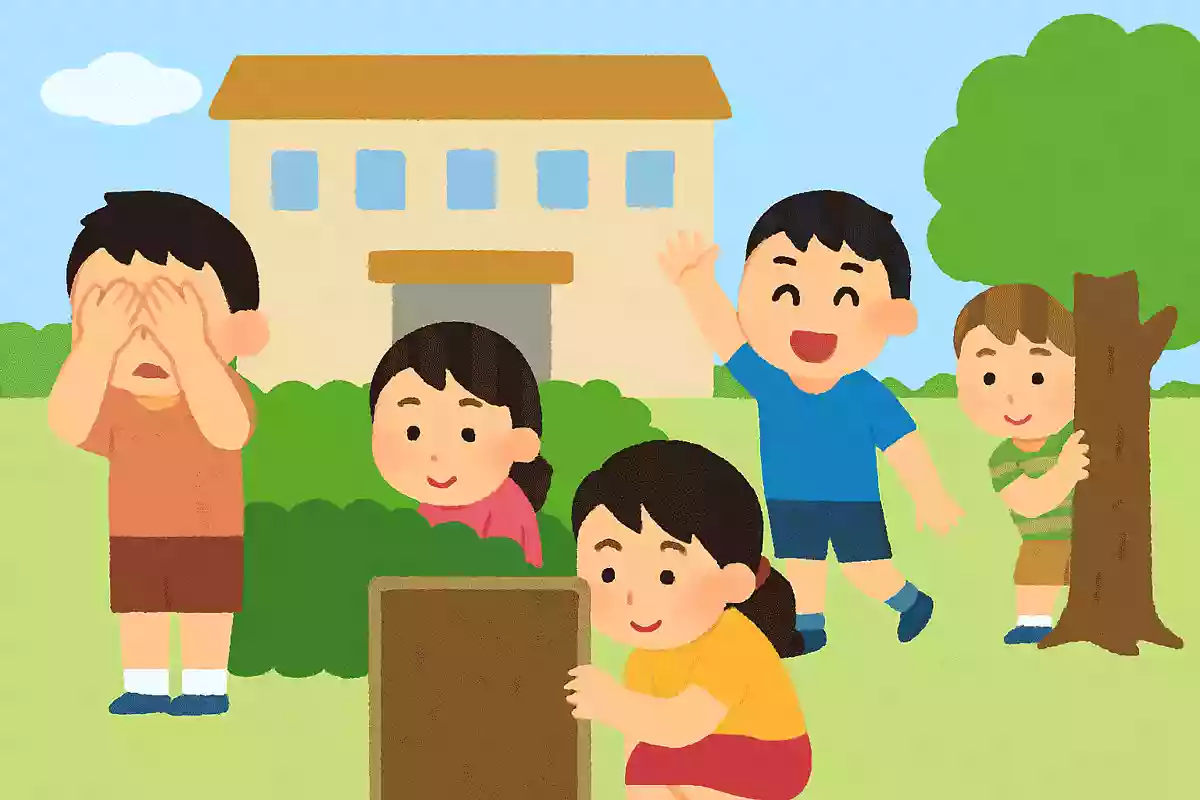
Five people are playing hide-and-seek. Two have been found. How many are left?
See the answer
2 people
When five people are playing hide-and-seek and two are found, that means three still haven’t been found. But one of those three is the seeker, so only two are actually hiding. The seeker is the one who looks for others, not the one who gets found, so they’re not counted.

Will 80% of people be fooled!? Trick quiz

Will 80% of people be fooled!? Trick quizzes are brain-teasing, fun puzzles that make everyone blurt out “Aha!” or “I got tricked!” without thinking.
The fun ramps up as you come up with more difficult questions.
When you have people answer, limit their thinking time and encourage them to respond as quickly as possible.
Also, when the questions or answers are simple, overthinking can actually cause people to fall for the trick.
Come up with a variety of questions to keep the excitement going.

What is something that won’t break no matter how much you try to break it?
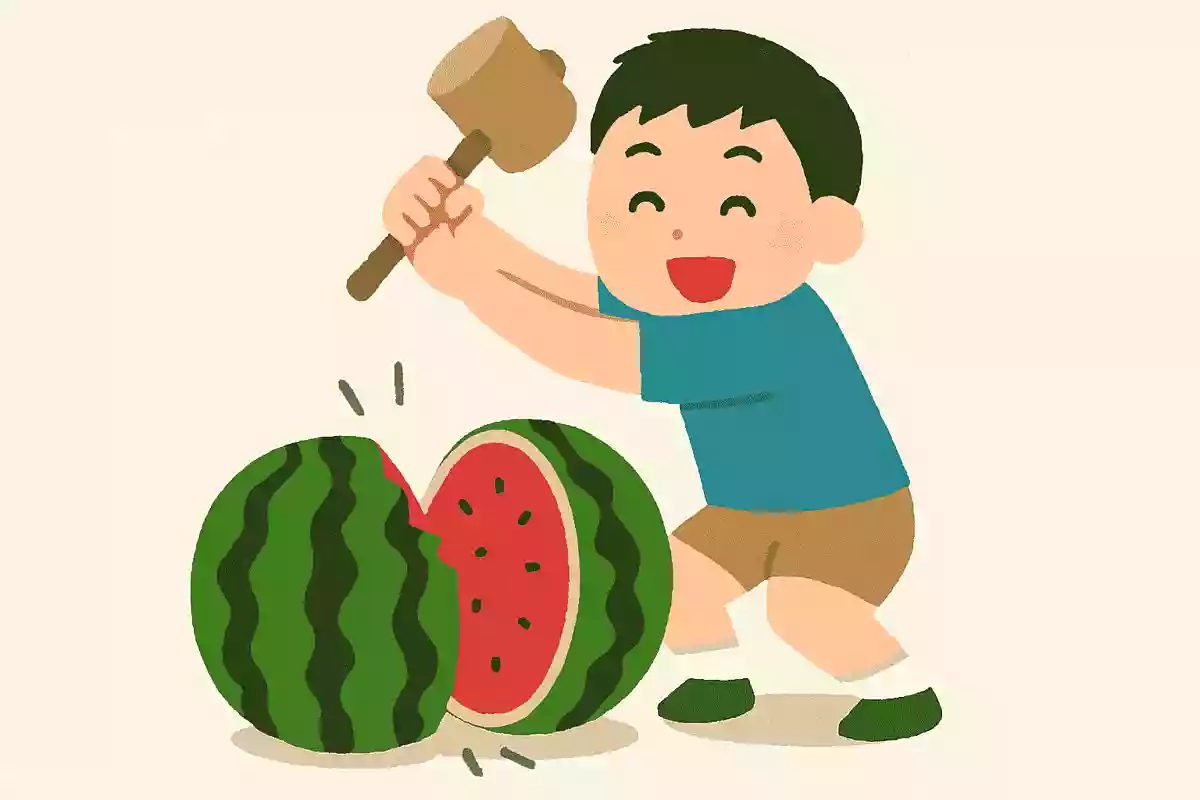
Have you ever had the experience of dropping something and breaking it? As the saying goes, “Anything with form will eventually break,” and glass or pottery will most likely shatter if you drop it.
But there are things in this world that don’t break even when you split them! In fact, they aren’t objects.
If you’re an elementary school student, isn’t there something you split during class? With that hint, you’ve probably figured it out.
The answer is “division.”

A riddle only geniuses can solve

Let’s approach this with a flexible mindset! Here are some clever riddle ideas that will stump you unless you’re a genius.
Challenging yourself with riddles can help develop your thinking skills and improve your concentration.
Try tackling some riddles to make the most of your abilities.
This time, there are also trick questions, so it’s a good idea to read each problem carefully before you try it.
For example, there’s a question like: “What do elephants eat during New Year’s?”
What is a ball that’s square, even though it’s still a ball?
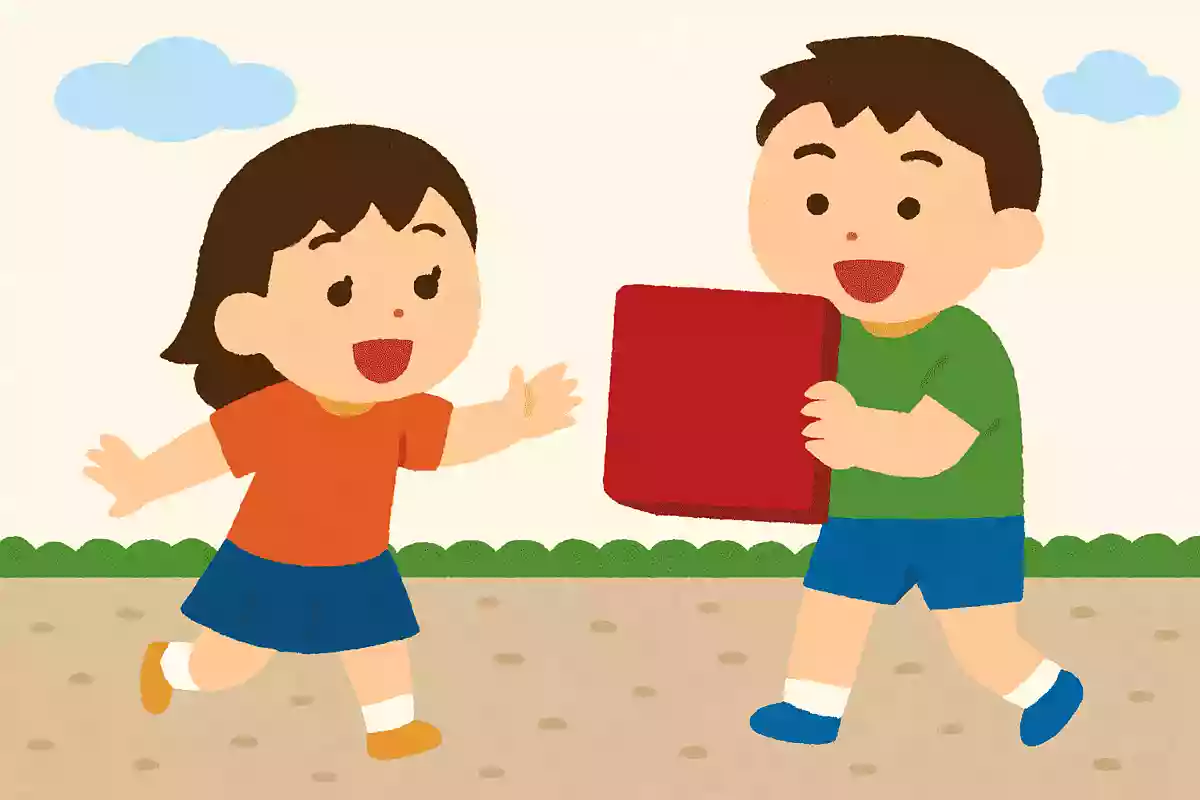
Speaking of balls, they’re one of the tools used in ball sports, right? When you picture a ball, most of you probably imagine a round sphere.
However, since the question in this quiz says “square,” we need to look for a square ball.
Let’s forget about balls used in sports for a moment and think of something square that includes the word “ball” (booru) in Japanese.
If you’re an elementary school student, you’ve probably seen it at home or used it for crafts.
The correct answer is “danbooru” (cardboard).
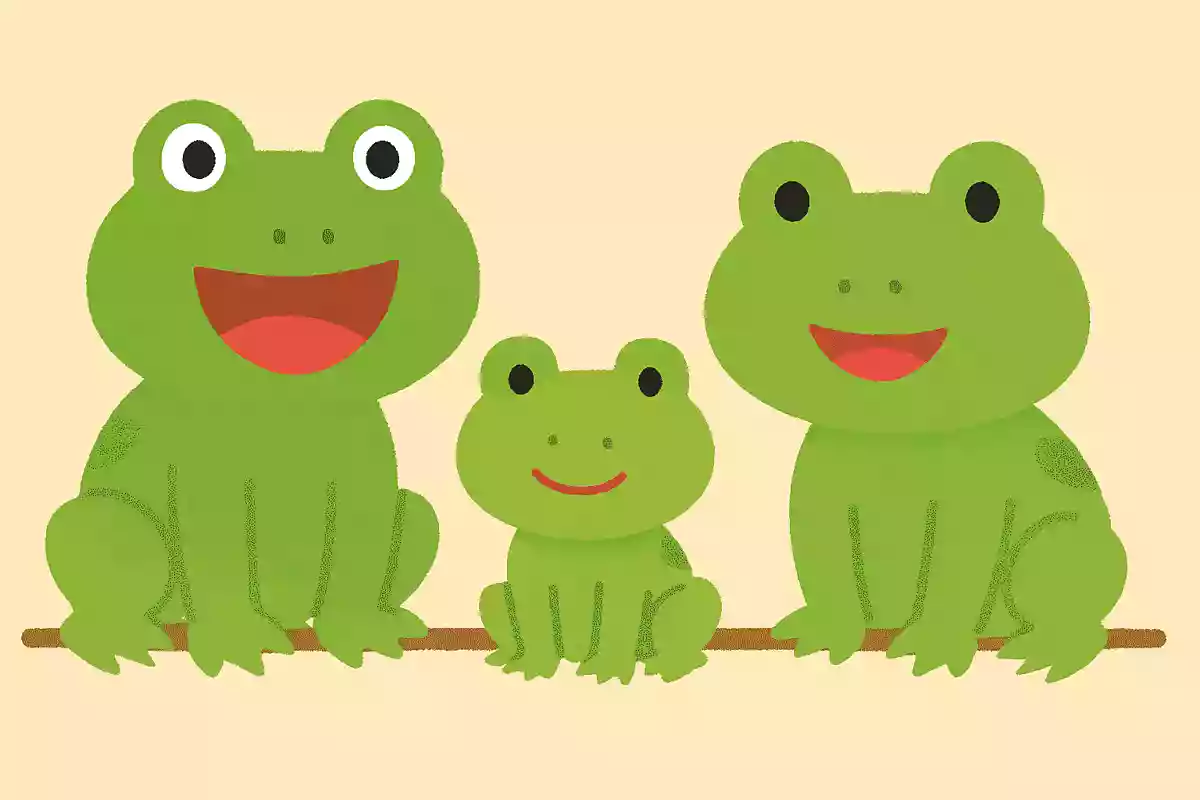
Daddy frog goes ribbit-ribbit-ribbit, Mommy frog goes ribbit-ribbit, so what sound does the baby frog make?
See the answer
I won’t cry.
Young frogs are still in the tadpole stage, so they can’t croak like adult frogs. That’s why the answer is “they don’t cry/make sounds.” Comparing them to the calls of their father and mother helps you notice the differences in development. Not only appearance but also whether they can make sounds is a point of growth.
Among kindergarteners, elementary school students, and adults, which is the biggest?

See the answer
kindergarten
A kindergarten isn’t a person; it’s the name of a building. Elementary school students and adults are people, but a kindergarten is a large building that many people can enter. So if you compare sizes, the kindergarten is the biggest. The key to this riddle is noticing the meanings of the words.