

Recommended for kids! A collection of challenging riddles. Difficult questions that make you think.


“Huh! That was the answer?” Ready to try some brain-teasing riddles that might make you blurt that out? If your child finds ordinary riddles too easy, the ones introduced here will have them firing on all cylinders and having fun! In this article, we’ve gathered challenging riddles that really test flexible thinking and imagination—perfect for kids to tackle.
There are plenty that kids can solve smoothly while adults end up going “hmm…” But if you think them through together as a family, you’re sure to find new discoveries and spark fun conversations.
Come on—let’s dive together into the world of riddles that stimulate intellectual curiosity!
- A collection of challenging quizzes for adults [Difficult]
- [Brain Training] Difficult Riddles That Even Adults Struggle With
- Genius if you can solve it? Super-difficult Quiz Collection
- [Trick Quiz] Quiz Questions That Excite Everyone from Kids to Adults
- [Difficult] Riddles for High School Students
- [Challenging and Fun!] Quizzes & Riddles for Adults
- Let's Think Outside the Box! A Collection of Challenging Riddles for Kids
- [Battle of Wits] Stimulate your intellectual curiosity! Quiz questions that get adults excited
- Fun quizzes for elementary school kids: a collection of questions everyone can enjoy together
- A quiz that seems easy but is actually hard: trick questions that make you think flexibly
- [Interesting] A collection of brain teaser quiz questions. Let's train your brain!
- Riddles for college students. Questions that test thinking and creativity.
- The world’s toughest! A collection of insanely hard-to-read kanji
Recommended for kids! A collection of hard riddles. Challenging brain teasers (31–40)
What gets hotter as it gets colder?
@igosso.youtube You're a genius if you get it!TranslationTrick quizIgossou
♪ Original Song – Igossou [YouTube] – Igossou [YouTube]
This puzzle is tricky because there are many possible answers.
Things that get hotter as it gets colder… You might be thinking of hand warmers or clothing, but the correct answer is something else.
First, try picturing a winter scene.
List a few things you associate with it, and think about “getting hot” as the keyword.
Also pay close attention to the fact that it’s written in hiragana! The answer is something everyone knows, and you’re likely to see it at least once in summer.
Here’s a hint: it’s something that melts in heat.

There are 5 candies. If you lick one, how many are there?
@igosso.youtube♪ Original Song – Igossou [YouTube] – Igossou [YouTube]
It seems like a question that would trip up adults more than children.
When you read the problem statement, you instinctively want to treat it like an arithmetic problem and think, “5 – 1 = 4, so the answer is 4!” But remember, it’s a trick question.
The hint to solving it is that the candy wasn’t given to someone else, nor did it disappear.
If you think about how many candies you have after you lick one, you should arrive at the correct answer.
An elementary school student with a flexible mind might solve it right away!
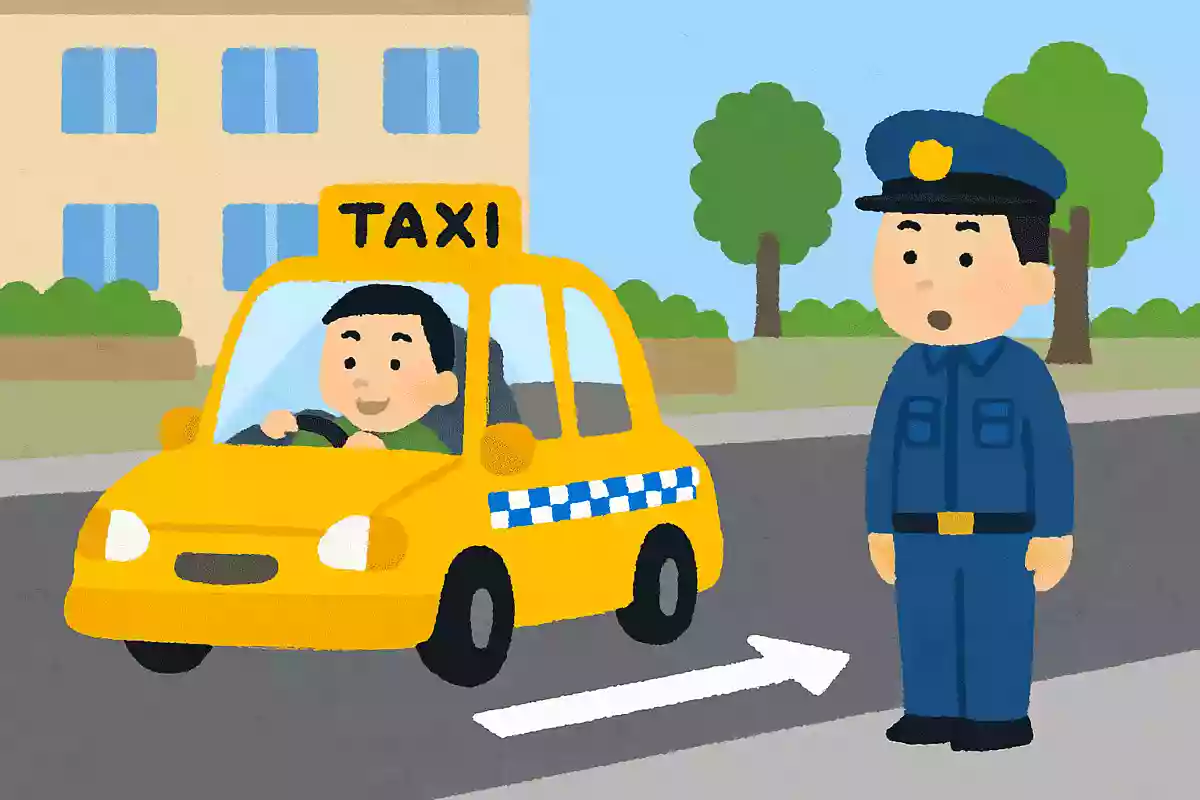
A taxi driver is going the wrong way down the road, but the police don’t stop him. Why is that?
See the answer
Because it’s the driver who’s running
The reason the taxi driver is going the wrong way down the road is that he isn’t driving a car—he’s walking or running himself. In other words, it’s a person running, not a car, so the police don’t stop him. The key is that it’s a play on the meaning of the words.

Today is Monday. Tomorrow is Tuesday. What day is the day after tomorrow?
@20ennochoco Share voiceVoice LibraryFountain pen
♬ Slow and comical BGM(1083863) – Blanket
When trying to answer this question, wouldn’t most people say, “You’re supposed to answer Wednesday, but the trick is that the answer is Thursday!”? That’s what common sense suggests, right? In fact, if a small child answered that way, I’d be tempted to mark it correct—they’re being clever.
However, the answer is actually neither Wednesday nor Thursday.
The key to finding the answer is to focus on the word “asatte” in the problem statement.
Look closely: while “today” and “tomorrow” are written in kanji, “asatte” is written in hiragana… What does that imply?
What is something that doesn’t decrease no matter what you eat?
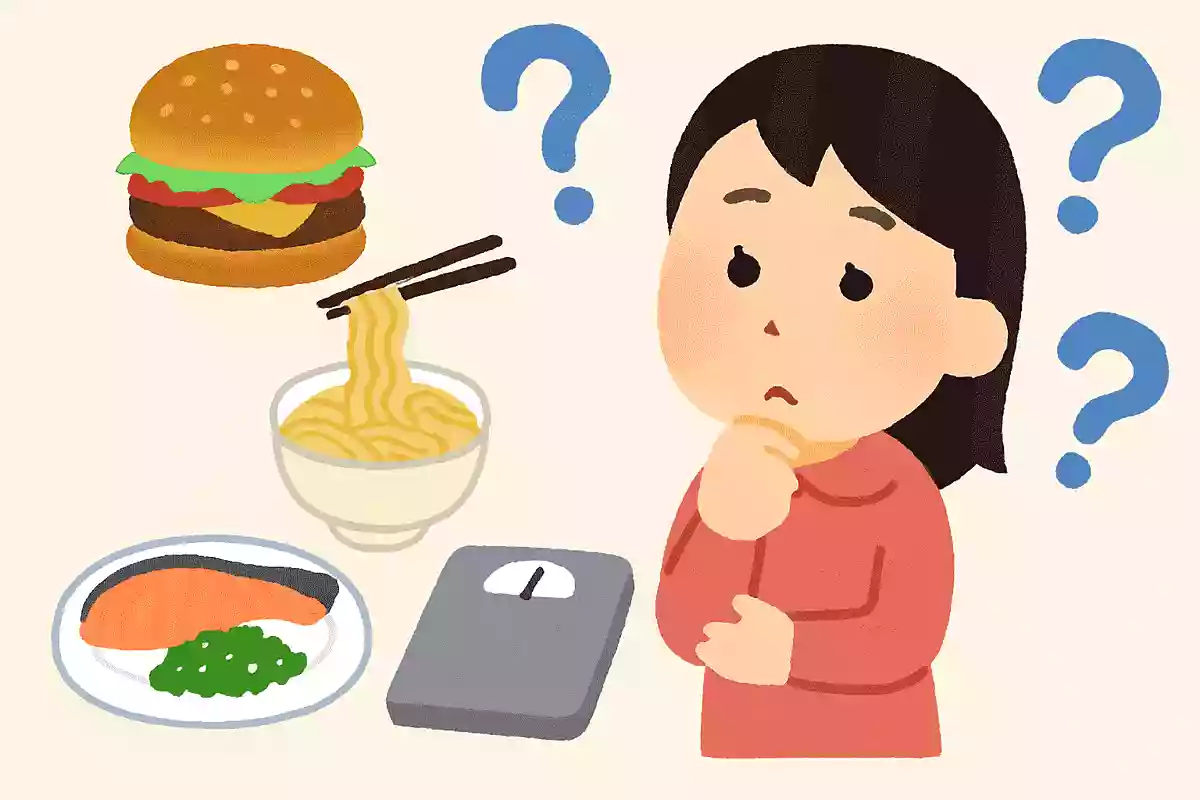
What is something that doesn’t get smaller no matter what you eat? Right now, all sorts of foods are probably popping into your mind: rice balls, sandwiches, apples, tangerines, sweets… There are so many edible things, but once you eat them, they’re gone, right? In other words, if you focus on the food when thinking about this question, you won’t get the right answer.
It’s a trick question, so you need to look at it from a slightly different angle.
The correct answer is “your mouth.” It certainly eats anything, but it’s the food that diminishes—the mouth doesn’t get smaller!
Recommended for kids! A collection of tricky riddles. Challenging brain teasers (41–50)
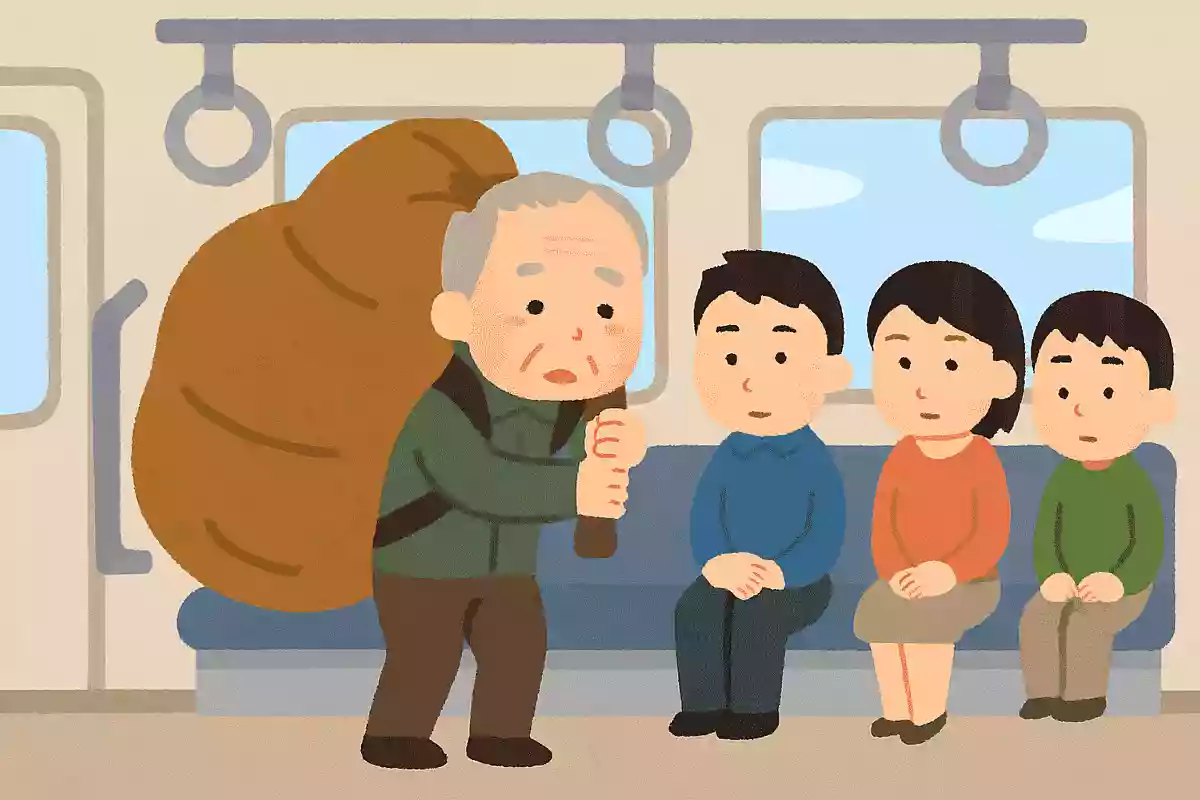
An elderly person carrying large luggage got on the train. But no one offered their seat. Why do you think that is?
See the answer
Because there were many seats available.
The reason the people around didn’t offer their seats when an elderly person carrying large luggage got on the train was that there were plenty of empty seats to begin with. In other words, the elderly person could sit wherever they liked, so there was no need for anyone to go out of their way to give up a seat.
Turn a kitten upside down and it’s still a kitten. What do you get if you turn a puppy upside down?
@igosso.youtube♪ Original Song – Igossou [YouTube] – Igossou [YouTube]
Let’s try a quiz about animals.
If you turn a kitten upside down, it’s still a kitten; if you turn a puppy upside down, it becomes… what? You’ll probably think, “Kitten is ‘koneko’… sure, even read backwards it’s still ‘koneko,’” and then tackle the question.
But if you follow that line of thinking, a puppy is ‘koinu,’ which can’t be read the other way around, and you’ll get stuck.
That’s when you should remember it’s a trick question.
That very line of thinking is the trick.
If you simply state the fact as it is, that’s the correct answer.