

Songs with titles starting with “Ko” [Great for karaoke and shiritori, too!]

There are many song titles that start with “ko,” featuring familiar words like “koi” (love) and “kokoro” (heart).
The range is really broad, but even just branching out from “koi” will lead you to lots of songs!
From era-defining hit tunes and more.
Sometimes nothing comes to mind right away and you want to look some up…!
So we’ve put together a list of song titles that start with “ko,” which might come in handy at such times.
Feel free to use it not only when you’re curious about what songs begin with “ko,” but also as inspiration for shiritori or choosing songs at karaoke.
- A compilation of Vocaloid songs with titles that start with “Ko”
- Songs with titles that start with “Go”
- Songs with titles that start with 'Ke'
- A roundup of songs that start with “So.” Perfect for word-chain games or picking karaoke tracks!
- [2026] Crowd-Pleasing Songs Recommended for People in Their 50s: A Collection of Nostalgic Classics
- Songs with titles starting with 'O' [Great for karaoke and shiritori!]
- Songs with titles that start with “te.” Perfect for shiritori karaoke or song-title shiritori!
- A roundup of songs that start with “ku.” Perfect for shiritori or picking karaoke tracks!
- Songs with titles that start with “Sa”: a roundup you can use for shiritori or karaoke
- [For People in Their 40s] Karaoke Songs That Are Easy to Sing: 2026 Ranking
- Songs with titles starting with “Ki” [Great for karaoke & shiritori!]
- Songs with titles starting with 'Ka'
- Songs with titles that start with “Chi.” Useful as hints for word-chain games!
Songs with titles starting with “Ko” [Great for Karaoke & Shiritori!] (141–150)
confessionsoshina
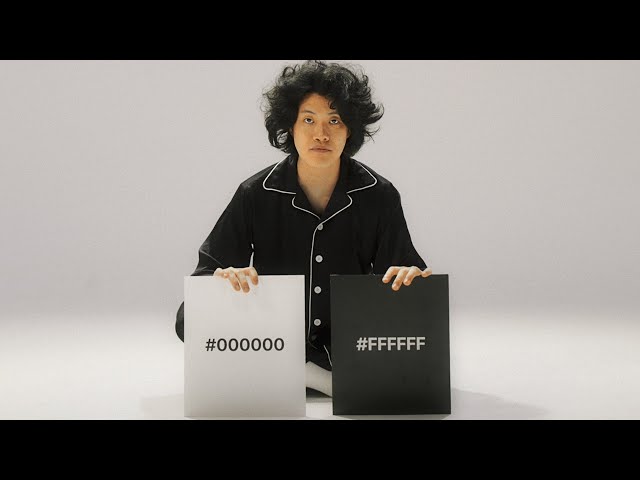
When you want to blow away the frustrations and unfairness of everyday life, there’s a song that really hits home.
The punk rock number that Soshina from Shimofuri Myojo released early in August 2025 is included on his second album, “Naoto Sasaki,” which came out that September.
Soshina himself wrote, composed, and produced the track, handling vocals and guitar.
Created as a three-piece with Hikari Fujimoto on bass and Ai Kishinami on drums, its raw yet straightforward sound packs a punch.
The lyrics powerfully affirm past regrets and wounded hearts, channeling energy to move forward.
Fans will also love how its world connects with the songs on the previous album, “Aria of Starlight and Righteous Cause.” It’s a track you’ll want to hear when you’re feeling stuck or need a push on your back.
Baton of the HeartSakushi sakkyoku: Shinzawa Toshihiko

How can we convey feelings that can’t be seen…? Giving voice to that thought through the word “baton,” this is a choral piece for graduations, with lyrics and music by Toshihiko Shinzawa.
It begins with the wish that if our hearts had shape or color, we could hand them over right away, and goes on to depict bonds that, though invisible, are surely connected.
The song was included on the album “Sakura♪ SONGS 2 ~Kimi to Boku no La La La~,” released in November 2016, and was selected for the Hall of Fame on the childcare portal “Hoick.” The two-part chorus version is also included in choral anthologies for farewell and graduation ceremonies.
It’s perfect for moments when teachers and children—or children with one another—want to reaffirm their heartfelt connections.
Highly recommended for classes that want to express gratitude to their teachers at preschool graduation, or as a send-off song from current students to graduating ones.
Koma-neko Sistersfuyuzashiki

This is a Japanese-style Vocaloid song that portrays the daily life of a cat living at a shrine and its Shinto priest.
Created by Fuyuzashiki, it was released in November 2025.
Sung by Kagamine Rin, it adorably depicts a devoted cat carrying tea and conveys a single-hearted desire to stay by the side of someone precious.
The lyrics are especially striking for the coexistence of a resolve to “let no one take this everyday life away” and the readiness to face the farewell that will one day come.
It’s a must-listen for anyone who cherishes the happiness of ordinary days and for cat lovers alike!
Songs with titles starting with “Ko” [Great for Karaoke & Shiritori!] (151–160)
Premonition of Loveanzenchitai

This is a representative ballad by Anzen Chitai from the 1980s, characterized by a relaxed melody and a tempo that isn’t too fast.
The overall vocal range of the song is C#3 to G#4, with many lower notes, so expressiveness is more important than pure vocal power.
I think the calm voice of a man in his 60s would really shine here.
In terms of singing style, it’s easy to add dynamics between the verse and the chorus: sing the verse softly, almost as if you’re speaking, and then pour your emotions into the higher notes of the chorus and sing out fully.
That way, it won’t feel flat, and it will be easier for listeners to enjoy.

loveMatsuyama Chiharu

It’s a love ballad by Chiharu Matsuyama, and it’s the kind of song where you really need to be mindful of the spaces, or you won’t quite catch the groove.
If you only look at the lyrics, you might feel like singing line after line without pause, but if you place each phrase carefully and let the resonance linger, it will deepen the sense of poignancy.
The overall vocal range is C3 to G4, so it’s not too high and there’s no need to belt.
When the chorus comes, project your voice, add clear dynamics, and sing with confidence—the performance will land stylishly.
That way, even listeners who don’t know the song will recognize where the chorus is and will be able to groove along with you!
The Root of the HeartNEUTRINO

If you’re looking for a moving song for graduation season from kindergarten, how about “Kokoro no Nekko” sung by the NEUTRINO vocal synthesis software? Its lyrics—about children who have grown up before you know it and how the days spent with friends will support them in the future—are sure to bring tears to the eyes of parents and teachers.
The song, written and composed by Namu Minami and beloved for many years, gained wider recognition when it was included on albums such as “Sotsuen no Uta: Best Songs that Stay in Your Heart,” released in November 2008.
NEUTRINO’s clear, transparent vocals are pitch-accurate and can serve as a helpful guide when learning the melody.
Singing it at a graduation ceremony or recital will fill the venue with warmth.
Please try singing it together with the children, with all your hearts.
Treasure in the Heartsakushi sakkyoku : yoshizawa takayuki
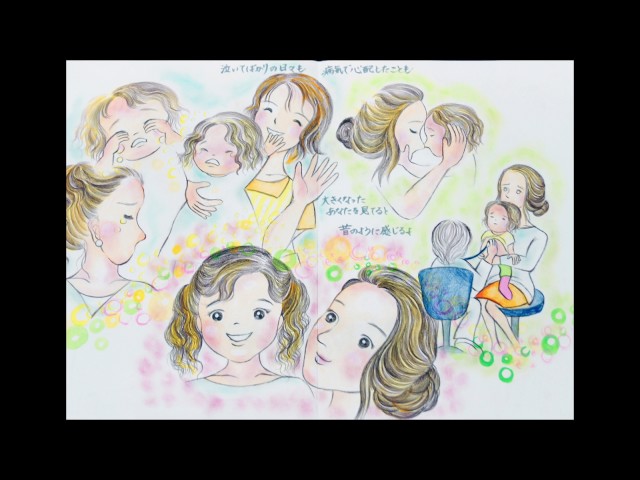
This work gently embraces the emotion of the day a child is born and the joy of their growth up to now.
The lyrics, which speak of cherishing the warmth of holding a tiny hand and tucking the days spent together into a special place in the heart, are especially memorable.
Written and composed by Takayuki Yoshizawa, an active childcare worker who also serves as a nursery school director, it was released in October 2010.
While it’s known as a song for parents to sing to their children, it’s also perfect for older kindergarteners to sing in gratitude to the families they love.
Sung with sincerity at a graduation ceremony or recital, it’s sure to fill the venue with warm tears and deep emotion.
As the children take their first steps toward the future, why not sing it together with them?