

A J-POP song highly popular in South Korea [with a Korean-language cover too!]

Japanese music is gaining attention among younger generations in Korea.
Of course anime plays a role, but in recent years the influence of social media has helped people enjoy music from all over the world, regardless of country.
Through things like dance collaborations between idols and programs such as the “Japan-Korea Top Ten Show,” we can feel the growing exchange between Japanese and Korean artists, as well as the spread of J-pop and Showa-era pop.
For a long time, sales of Japanese records were restricted in Korea, but now it’s great to see them becoming popular and spreading thanks to various influences.
Let’s all enjoy the J-pop that’s so popular in Korea!
- Summary of Japanese singers popular in Korea: Notable J-POP and artists
- K-POP Popularity Rankings [2026]
- [K-POP] Korean songs you’ll want to sing at karaoke: classic crowd-pleasers
- [Korean popular music] Popular trot songs. Masterpieces by trot singers.
- Stylish K-pop and Korean songs. Songs with a nice vibe.
- Popular songs on Korean TikTok & K-pop and trending tracks
- Korean karaoke songs: beloved tunes from popular ballads to K-pop
- Nothing but famous and hit songs! K-pop tracks recommended for Gen Z
- K-POP and Korean tear-jerker songs: tracks that deeply resonate and bring you to tears
- Popular K-pop and Korean songs that brighten up YouTube Shorts
- [Exquisite Ballad Songs] K-pop that touches the soul. Korean Ballads
- A Korean song you often hear on TikTok. Trending K-pop.
- Today's recommendation! K-pop songs
Popular J-Pop Songs in South Korea [With Korean Covers Too!] (31–40)
motion sickness from proximitywanuka (COVER: SG)

This is the first digital-only single by Wanuka, who reveals only the profile of being an active university student singer-songwriter and mainly works on social media and YouTube.
Over 26,000 videos using the song have been posted on TikTok, making it explosively popular especially among younger generations.
It has also drawn attention for its modern, viral spread, including a Korean-language cover by solo artist SG that became a hot topic both in Japan and abroad.
With a melody based on the yonanuki (pentatonic) scale, a relaxed shuffle beat, and lyrics and arrangements with a moist, atmospheric feel, it’s a track packed with elements that resonate comfortably with Japanese listeners, evoking a certain sense of nostalgia.

left-right confusionYorushika
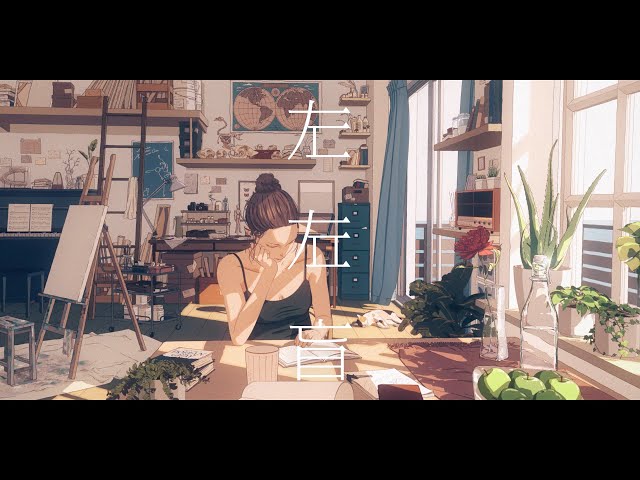
There are tons of videos on YouTube by Korean creators like “I tried singing a Yorushika song” or “I listened to a Yorushika song.” Yorushika’s music is popular in Korea as well, and this track, Sayūmō, has charted on Korean Apple Music and Spotify.
Sayūmō refers to a phenomenon where a person can’t distinguish left from right; some say it isn’t even a specific illness.
The lyrics—along the lines of “heartbreak left me so shattered I can’t even tell left from right”—focus exquisitely on the pain of a breakup and the quiet that follows.
It’s a highly recommended song that showcases Yorushika’s delicate perspective.
The Zero Sense10-FEET

An uplifting rock tune driven by 10-FEET’s aggressive style and grounded beats.
As the ending theme for the hugely popular film THE FIRST SLAM DUNK in Korea, you can really feel the anime’s strong influence.
The fact that tickets for the event held before their first-ever show in Korea in July 2023 sold out immediately also speaks to their popularity.
The shout-like parts are cool too, and this track fired up listeners’ hearts in Korea.
It truly sets your heartbeat racing, as if igniting a flame!

Perfumeeitō (COVER: haun)
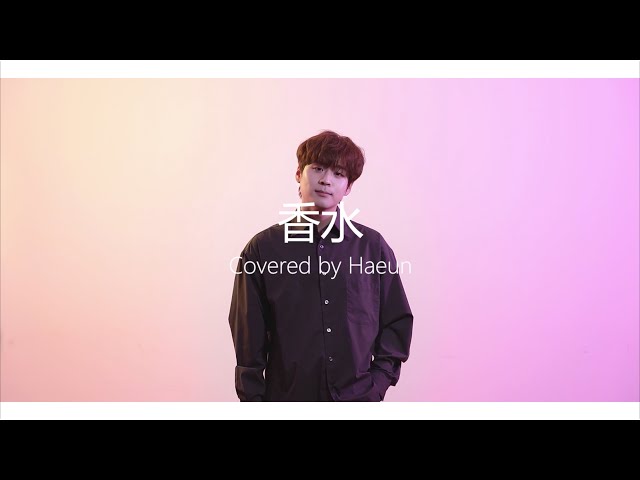
Eito’s “Perfume,” which first caught fire through cover videos on social media, went on to become a massive hit in Japan.
Released in 2019, the song’s lyrics depict a narrator who knows he won’t get back together with his ex, yet finds his heart wavering whenever he catches the scent of the perfume she wears.
In Japan, it was covered by many notable figures, including Shingo Katori, Misako Uno of AAA, and the comedy duo Chocolate Planet.
In Korea, singer-songwriter Ha Eun also covered the song, and many Korean listeners—just like Japanese listeners—posted numerous singing covers online.

Samurai Heart (Some Like It Hot!!)SPYAIR
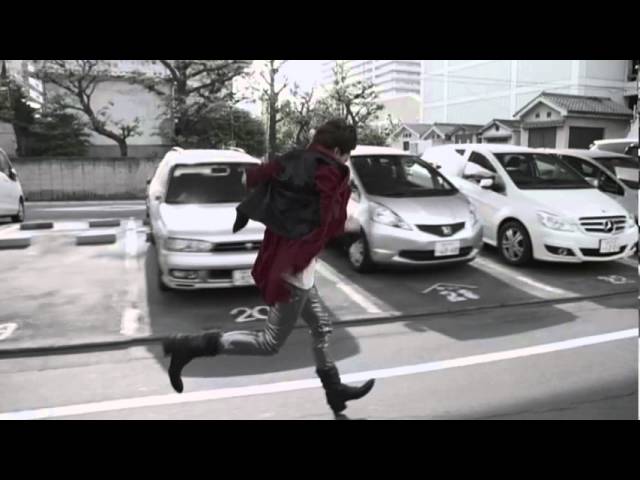
SPYAIR’s “Samurai Heart (Some Like It Hot!!),” which was used as the ending theme for the hugely popular anime Gintama’, was released in 2011 and has gained popularity not only in Japan but also in South Korea.
Gintama itself—including the original manga, the anime, and even the live-action films—has been enjoyed by many fans in Korea.
SPYAIR has performed at numerous large outdoor festivals in Korea, showcasing this song many times there as well.
Combined with the fact that it’s the theme song for a manga/anime beloved in Korea, it has thrilled many fans.
Popular J-POP Songs in South Korea [With Korean Covers Too!] (41–50)
ObsessedAyumu Imazu

It’s a love song by Ayumu Imazu that carries a sweet poison.
Released in January 2024, the song stands out for its lyrics that portray the mindset of a protagonist who falls in love easily.
The fixation on the other person and the self-questioning resonate with listeners.
It’s a track that showcases his talent for pioneering a new frontier in J-pop.
With a signature style that incorporates elements of dance music and R&B, its popularity grew after K-pop groups—starting with SEVENTEEN—danced to it.
Recommended for those who want to savor both the sweetness and bitterness of love.
It’s great for couples at karaoke, and it also lightens the mood as a happy, feel-good song.
Glass Memories (The Springtime of My Life)TUBE(COVER:CAN)

This is the 15th single by TUBE, a four-member rock band whose name is among the first to come up when thinking of summer in the J-POP scene.
The song was used as the ending theme for the educational quiz show Hitachi Sekai Fushigi Hakken! Its lyrical intro, which moves from a classical opening into an emotional, tear-jerking guitar phrase, is undeniably catchy.
In Korea, it was covered in 2001 by the male duo CAN under the title “The Spring Days of My Life,” and gained attention as the theme song for the Korean drama Piano.
It’s an enduring classic that is still often heard in the Korean music scene, including live covers by SUPER JUNIOR’s Heechul.