

Quotations from literary masters: messages from authors who weave captivating works.

The literary masters who have created countless works that captivate readers’ hearts.
Adept at wielding words, they left behind many memorable sayings beyond their writings.
In this article, we introduce famous quotes spoken by these literary giants.
We’ve selected words from a variety of authors—those whose works have had a profound impact on people, those whose writings appear in school textbooks, and even those depicted as characters in manga.
Please enjoy this world of words spun by great writers—a realm distinct from their works themselves.
- Words from famous people that I’d like to adopt as my motto. Inspiring quotes that convey the power of words.
- Heartfelt! Inspiring Quotes Left by Great Figures of Japan
- Short quotes from Studio Ghibli works: profound words that give us strength
- Short precisely because it sticks in your heart: witty, chuckle-worthy one-liners and quotes
- Guaranteed to move you! Memorable words by great figures and famous people.
- Witty quotes by great figures and celebrities where wordplay shines even in brevity
- Not just the main characters! Short quotes that add depth to anime works
- Famous quotes everyone knows, including words from great figures and characters
- Just remembering them fills you with courage! Striking quotes that touch the heart from great figures and famous people
- Quotes from great figures that give us the power to live
- Keep your favorite words close. A short collection of quotes that comfort the heart.
- Words of love that tug at your heart. A moving message that will surely convey your feelings.
- Gives you the power to face challenges! Inspiring words of courage from great and famous people.
Quotes from literary masters. Messages from authors who weave captivating works (11–20)
There are no solutions in life. What exists in life is only a force in motion. We have to create that force. The solutions will follow afterward.Saint-Exupéry

Antoine de Saint-Exupéry, the novelist who wrote The Little Prince, a work loved around the world.
Here is a passage from one of his masterpieces, Night Flight.
Life never goes backward.
As we keep moving forward, we must overcome many things.
However, moving forward requires effort.
He tells us that as we proceed through life by trial and error, we can find solutions to each of our problems.
If you’re troubled and have come to a standstill, try, above all, to take a step forward.

When it comes to loving, women are the true experts, while men remain eternal amateurs.Yukio Mishima

Yukio Mishima, a writer who depicted human beauty and passion from a unique perspective.
Known for major works such as The Temple of the Golden Pavilion and Confessions of a Mask, the words he left behind point to the differing roles and viewpoints of men and women in love.
The meaning of his words also comes through in the many human dramas in his works—filled with people struggling and wrestling with love and passion—and in the lines spoken by his characters.
By contrasting the clumsiness of men with the deep affection of women, he reveals the essence of human relationships.
These are memorable sayings that convey the approaches to expressing love between the sexes and the complexity of romance.

A touch of laziness adds flavor to life.Motojiro Kajii
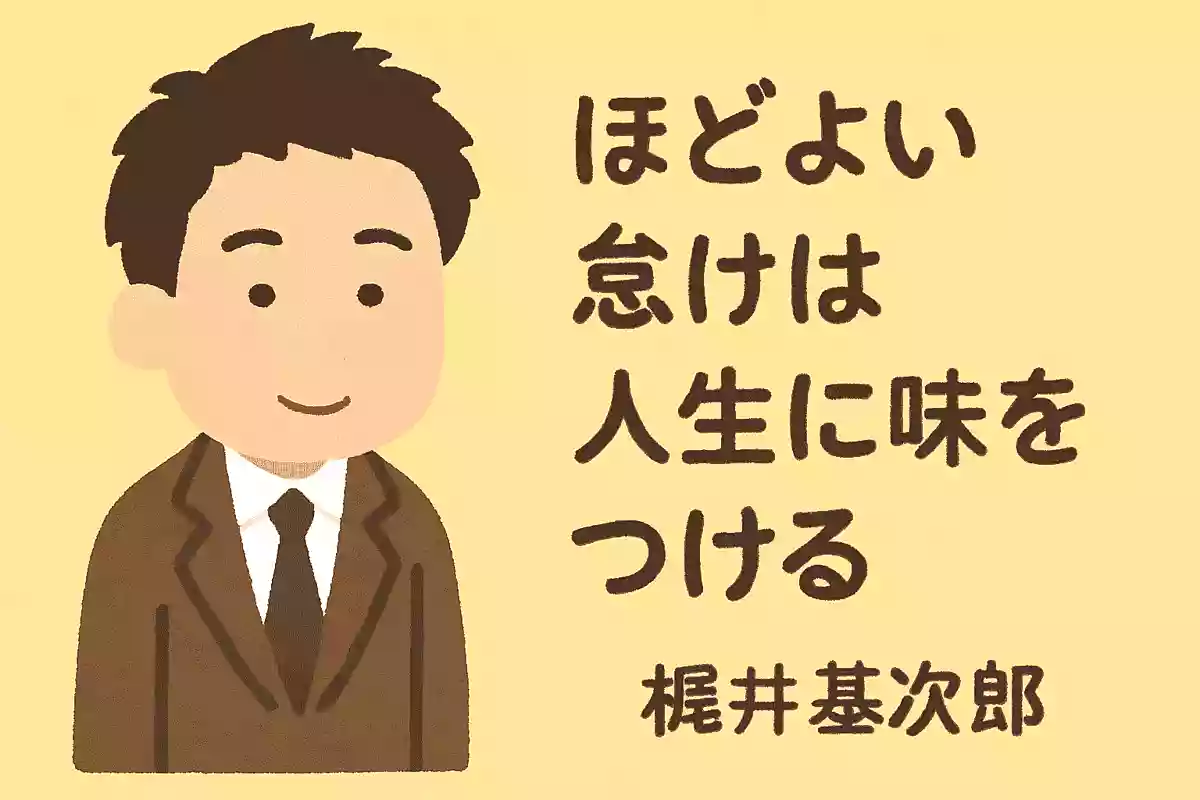
If you’re the type who can’t relax unless everything is done perfectly—and you’re always tense—try reading these words once.
They’re by the novelist Motojirō Kajii, known for works like “Lemon” and “In a Town with a Castle.” Handling everything meticulously is a wonderful thing.
However, some people may feel it lacks a certain spark, or leaves them unfulfilled.
At times like that, try being a little lazy, as these words suggest.
In that laziness, you may begin to see something different.
Anyone who truly does something good feels the happiest, don’t they?Kenji Miyazawa

Kenji Miyazawa, a poet and children’s story writer from Iwate Prefecture, is known for works such as Night on the Galactic Railroad and Be Not Defeated by the Rain.
He left behind the idea that doing good for others ultimately brings happiness to oneself.
His works, which depict human kindness and the beauty of self-sacrifice, convey their appeal by giving readers an opportunity to reconsider emotional richness and human relationships.
The theme of happiness brought about by goodwill resonates in any era and offers words that can be applied to everyday life.
Almost every person has, at least once in their lifetime, a splendid period that befits them.Jun'ichirō Tanizaki
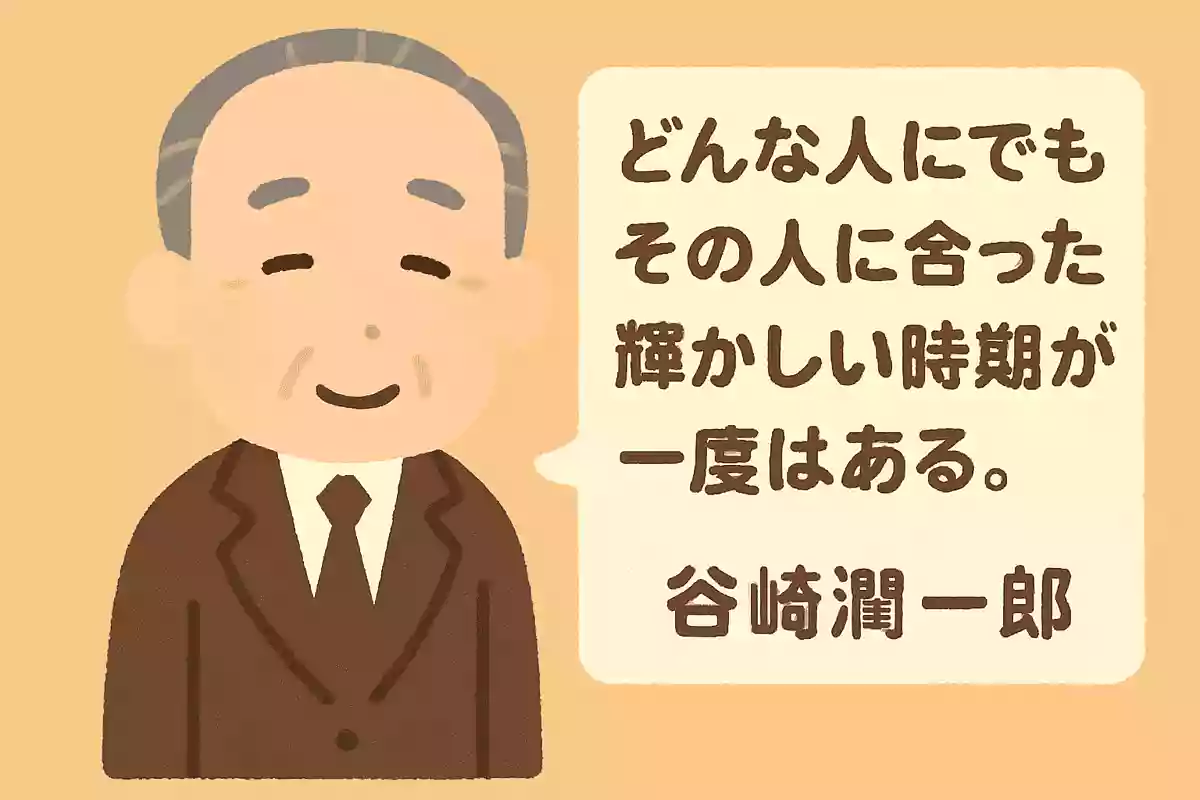
For those who feel nothing they do goes well, these words can inspire hope.
They are by Jun’ichirō Tanizaki, the novelist known for his distinctive style in works like Naomi and The Makioka Sisters.
The idea that everyone has at least one moment in life when they shine gives us strength to live.
If we can think, “I’m working hard now for that brilliant moment that will come someday,” it might make our daily efforts a little easier.
Imagining what kind of future self awaits you should bring an even more joyful feeling!
I don’t believe because I have reason to; I believe because I want to.Futabatei Shimei
Futabatei Shimei, who was active not only as a novelist but also as a translator, is known not only for representative works like Ukigumo (Drifting Clouds) but also for his translations and criticism.
This is a famous quote by that great literary master, well-versed in foreign literature, about what it means to believe.
It powerfully conveys that the feeling of believing does not arise from constructing reasons, but from the emotion of wanting to believe.
It suggests that what matters first is to follow your own feelings and believe; if you start from reasons, believing itself can become difficult.

Quotes from literary masters. Messages from authors who weave captivating works (21–30)
Nature is an impartial and merciless enemy. Society is an unjust enemy with human sentiment.Soseki Natsume
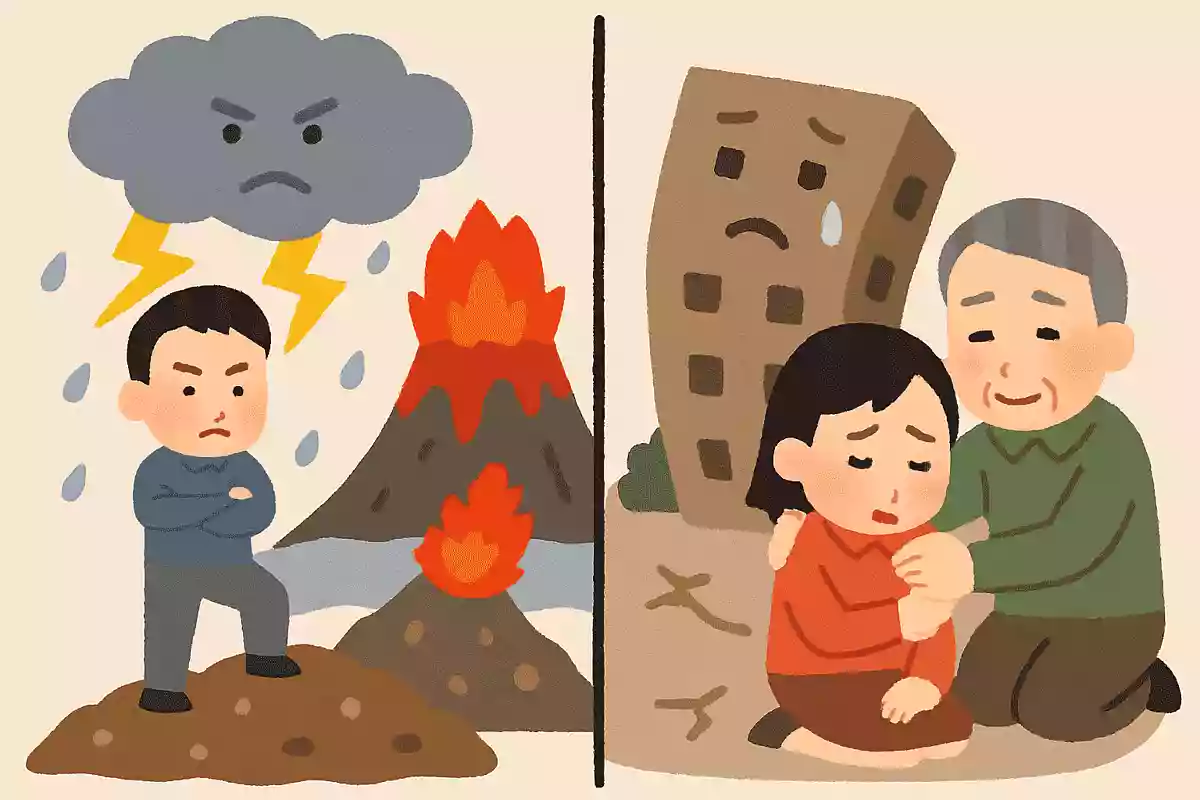
Let me introduce a famous quote by Natsume Sōseki: “Nature is a fair yet ruthless enemy.
Society is an unjust yet compassionate enemy.” Natsume Sōseki was a Japanese novelist and scholar of English literature.
His major works include I Am a Cat, Botchan, Sanshirō, And Then, Kokoro, and Light and Darkness.
This line—“Nature is a fair yet ruthless enemy.
Society is an unjust yet compassionate enemy.”—appears in his work Reminiscences.
It’s a quote that encourages us not to underestimate nature and to prepare for natural disasters.