

[2026] Easy-to-Sing Enka: From Classic Masterpieces to Recent Hits [Female Singers Edition]

“I’m interested in enka, but which songs are easy to sing at karaoke…?” “I want to find recent enka songs I can sing…” If you’ve got those questions, be sure to check out this article!
When it comes to popular enka tunes sung at karaoke, many people likely imagine classic masterpieces that have been loved for decades.
But we also want you to discover standout enka songs by younger artists from the 2020s and beyond.
This time, we’ve put together a lineup of “easy-to-sing enka,” from timeless classics to recent hits and fan favorites—featuring female singers only!
We’ve also published an article featuring male singers only, so please enjoy that one as well.
- [2026] Easy Enka Songs for Karaoke: Recommended Picks — Women Singers Edition
- [Enka] Songs that are easy to sing even for those who are tone-deaf [Female singers edition]
- [For Beginners] Recommended Enka Classics for Karaoke — Women Singers Edition
- [2026] Easy-to-Sing Enka: From Timeless Classics to Recent Hits [Male Singers Edition]
- [2026] Amazing if you can sing them! Enka Masterpieces [Women Singers Edition]
- [Queen of Enka] A Collection of Easy-to-Sing Songs by Sayuri Ishikawa [2026]
- 【2026】Difficult Enka Songs to Sing — Women Singers Edition
- [For Women] A roundup of enka songs that can score high in karaoke
- [2026] Easy Enka Songs Recommended for Karaoke – Male Singers Edition
- [Enka] Songs That Are Easy to Sing Even for the Tone-Deaf [Male Singer Edition]
- [2026] Enka Songs That Are Hard to Sing – Male Singers Edition
- [Enka First Year] A Collection of Easy-to-Sing Songs by Yoko Nagayama [2026]
- [2026] A Collection of Masterpieces of Enka and Mood Kayō
[2026] Easy-to-sing Enka: From Classic Masterpieces to Recent Hits [Female Singers Edition] (11–20)
freezing rainHino Mika

A famous song by Mika Hino that portrays a woman trying to drown the sorrow of a breakup with alcohol on a cold, rainy winter night.
Originally performed by Akio Kayama, the song was covered by Hino in 1982 and won broad support not only from enka fans but also from general listeners, becoming one of her signature works.
Ren Tomari’s emotionally rich lyrics and melody pair beautifully with Hino’s deep, resonant voice.
The arrangement is relaxed, centered on piano and strings, with a chorus marked by clear, soaring high notes.
It’s recommended for those seeking to soothe the pain of heartbreak or to savor life’s melancholy.
It’s also approachable for enka beginners and is sure to be a hit at karaoke.
airportTeresa Ten

The classic song “Kūkō” (Airport) is notable for its passionate brass intro.
While it’s categorized as kayōkyoku, its melody and structure are thoroughly enka, with familiar phrases sprinkled throughout that resonate with Japanese listeners.
The vocal range is somewhat wide and the pitch movement a bit dynamic, but there are no kobushi—those intricate enka-style pitch ornaments—so the overall difficulty is relatively low.
Because the dynamics are dramatic, be mindful to use a whispery tone effectively in the quieter phrases.

Passionate MamboHattori Hiroko

Latin-flavored songs often appear in the enka scene.
Most singers have released at least one such piece.
Hiroko Hattori is no exception; she has released Latin-style songs, and among them, “Jōnetsu no Mambo” is particularly popular with fans.
As a genre it’s kayōkyoku, with touches of mambo sprinkled throughout.
There’s no kobushi (melismatic ornamentation) at all, and there are many rests, so you can prepare well before the vocal entries.
The range is somewhat wide, but overall it’s a very easy song to sing.
From Kyoto to HakataTanaka Aimi

Kyoto kara Hakata made is a memorable piece with a full-fledged enka style suffused with melancholy.
Among Aimi Tanaka’s songs, this one especially emphasizes the low register, with the A melody sustaining low tones that make use of overtones.
The overall range isn’t very wide, so it’s by no means a difficult song; however, if you want to bring out its charm to the fullest, align the key around the A melody rather than the chorus.
Mixing in as much breath as if your lungs were being squeezed makes it easier to acquire overtones, so why not practice that technique while working on this song?
Don’t scold me.Tanaka Aimi
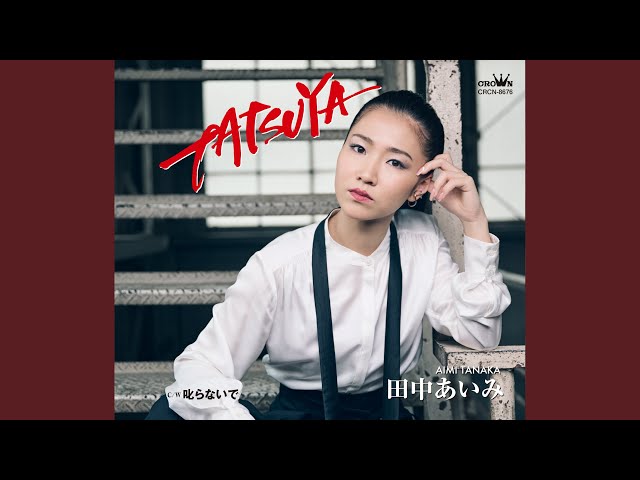
A rare work for Aimi Tanaka that’s arranged in a classic enka style, “Shikara-naide.” The melody feels like orthodox enka from the ’60s–’70s, but in fact the song contains no difficult kobushi (melismatic ornamentation) at all.
The basics stick to a single note, with at most a two-note change, and even those changes don’t move at the brisk speed typical of folk songs.
As an enka number, it’s undoubtedly among the easiest to sing.
The vocal range is fairly narrow as well, but since high notes appear several times on the “i” vowel, be careful not to let your tone become too thin.
Ishikari ElegyTanaka Aimi

Although Aimi Tanaka is strongly associated with kayōkyoku, she’s also outstanding at enka, partly because she’s a disciple of Takashi Hosokawa.
Among her enka-style songs, the one I especially recommend is Ishikari Banka.
It’s authentic enka, but rather than relying on detailed techniques like kobushi, it showcases fundamental vocal skills—such as overtones and dynamics—so the vocal line itself isn’t too difficult.
There are several instances of a slightly flipped tone that’s somewhat similar to the hiccup technique, so keep that in mind when you sing.
[2026] Easy-to-Sing Enka: From Classic Masterpieces to Recent Hits [Female Singers Edition] (21–30)
evening primroseIchikawa Yukino

It’s a very emotional song when you listen to it as a whole.
Because of that, I want you to pay attention to dynamics so it doesn’t become monotonous, and make sure to come in clearly on the first word of each phrase.
The overall vocal range is C#3 to B4; the verses (A and B sections) sit low, and the chorus jumps up into the high range all at once.
Sing the A and B sections gently, as if you’re speaking, without overexerting.
In the chorus, every phrase starts with “na,” but the N-line tends to be nasal and can make pitching difficult.
Bring it out more strongly and accented than you think! The note right after that “na” is the highest note in the song.
Use the “na” as a runway and then release the next note in one go.
It’s a bit of a challenging song, but give it some practice.
