

Breakup songs sung by male Japanese (J-pop) artists

There are so many words about love.Unrequited love, mutual love, breakups… There are lots of songs about these, too—perhaps it’s a national trait.Interestingly, in Japanese music, breakup songs seem especially common among them.Here, I’ve gathered 30 such heartbreak songs sung by male artists.May these masterpieces seep into and soothe your wounded heart.
- Ranking of Popular Breakup Songs by Male Japanese Artists [2026]
- For men in their 30s: Heart-touching breakup songs—masterpieces that can move grown men to tears
- [Unrequited Love] Heart-wrenching Love Songs | A Roundup of Tear-Inducing Crush and Breakup Tracks
- A heartbreak song that was a hit in the 1980s. A classic and popular track in Japanese music.
- Breakup songs sung by male artists that I’d recommend to Gen Z
- [Remembering the Pain of Love…] Breakup Songs Recommended for People in Their 60s
- [Tearjerker Guaranteed!] A Heartbreak Song Told from a Male Perspective
- Recommended breakup songs by male artists for the Yutori generation
- A Tearful Farewell Song: A Love Song About Parting with Someone You Love
- A heartbreak song that was a hit in the 90s. Classic and popular tracks in Japanese music.
- Popular Heartbreak Song Rankings [2026]
- Breakup songs by Japanese bands: recommended classics and popular tracks
- [Tear-Jerking Breakup Songs] A curated selection of love songs that gently comfort a wounded heart!
Breakup songs sung by male Japanese artists (1–10)
Don’t Leave MeB’z

This is a track whose lyrics vividly portray an unavoidable farewell with a gripping sense of urgency, set to a heavy blues-rock sound that hits you right in the chest.
From the intro, where the blues harp tugs at your heartstrings, you’re instantly drawn into its world.
The lyrics lay bare the protagonist’s vulnerability and are sure to resonate deeply with men nursing the pain of heartbreak.
Released in February 1994 as the theme song for the TV Asahi drama “New Airport Story,” it was later included on the album “The 7th Blues.” Marking a sharp turn from their earlier pop-leaning style to a harder musical approach, this work became a pivotal turning point in the band’s history.
Many who heard it in their youth were likely blown away by Matsumoto’s guitar and Inaba’s vocals.
It’s a masterpiece you’ll want to play on nights when you feel like immersing yourself in memories of a bittersweet past love.
KanadeSukima Suichi

It was released in 2004 as Sukima Switch’s second single.
It was used as an insert song for the film “Rough” and as the theme song for the third night of Fuji TV’s four-night drama series “Sotsu Uta.” The lyrics overflow with the resolve to choose a separation that can’t be avoided, the decision to go down different paths, wavering emotions, and loneliness.
It’s a masterpiece whose realism—allowing listeners to picture the scene at the moment of parting—strikes straight to the heart.
I won’t fall in love anymore.Makihara Noriyuki
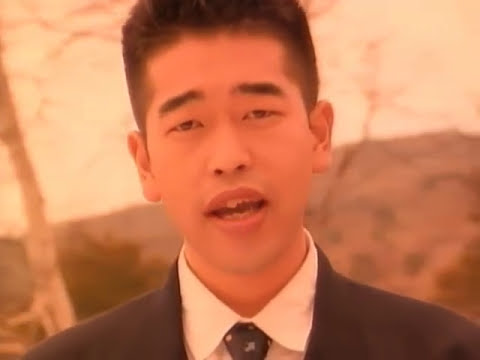
It was released in 1992 as Noriyuki Makihara’s fifth single.
The song was used as the theme for the NTV drama “After the Children Go to Sleep” and became a million seller.
The lyrics overflow with the bittersweet feelings of a man who finds his girlfriend’s constant presence sometimes annoying and longs for free time, only to realize after she’s gone that the loneliness outweighs any freedom.
Yet the song somehow remains uplifting and forward-looking.
Breakup songs by male Japanese artists (11–20)
Lovers AgainEXILE

It was EXILE’s 22nd single overall, released in 2007.
The song was used in KDDI’s “au × EXILE Chapter 2 Campaign” commercial.
The lyrics convey the heartache of a man who finds that even the painful memories of being together have now become tender, nostalgic recollections; he naturally drifts back to them and can’t help thinking about the other person.
Blue BenchSasuke

It was released in 2003 as Sasuke’s first single.
As Sasuke’s debut single, it reached No.
8 on the Oricon Weekly Singles Chart.
The song vividly expresses the regret of wishing he had told his girlfriend “I love you” more, and it has become a popular choice for karaoke.
Before you become a memorysupittsu

It was released in 1993 as Spitz’s seventh single.
It’s a re-cut single from their fourth album, “Crispy!,” and it became the band’s first song to enter the Oricon charts.
The lyrics overflow with the sorrow of two people who decide to part ways as they are separated from each other, and the bittersweet feelings of the man who wishes she could smile.
It’s a song whose gentle Spitz sound is soothing.
Effeminate; overly sentimental; being clingy/whiny (context-dependent)Gōruden Bonbā

It was released in 2009 as Golden Bomber’s seventh single.
As one of Golden Bomber’s signature songs, this track is performed entirely as a dance piece.
The lyrics are written directly from an experience Kiryuin went through, expressing the feeling of being miserably heartbroken after losing a woman who had said she loved him.
The performance tends to draw the eye, but the lyrics are actually very poignant.