

Breakup songs sung by male Japanese (J-pop) artists

There are so many words about love.Unrequited love, mutual love, breakups… There are lots of songs about these, too—perhaps it’s a national trait.Interestingly, in Japanese music, breakup songs seem especially common among them.Here, I’ve gathered 30 such heartbreak songs sung by male artists.May these masterpieces seep into and soothe your wounded heart.
- Ranking of Popular Breakup Songs by Male Japanese Artists [2026]
- For men in their 30s: Heart-touching breakup songs—masterpieces that can move grown men to tears
- [Unrequited Love] Heart-wrenching Love Songs | A Roundup of Tear-Inducing Crush and Breakup Tracks
- A heartbreak song that was a hit in the 1980s. A classic and popular track in Japanese music.
- Breakup songs sung by male artists that I’d recommend to Gen Z
- [Remembering the Pain of Love…] Breakup Songs Recommended for People in Their 60s
- [Tearjerker Guaranteed!] A Heartbreak Song Told from a Male Perspective
- Recommended breakup songs by male artists for the Yutori generation
- A Tearful Farewell Song: A Love Song About Parting with Someone You Love
- A heartbreak song that was a hit in the 90s. Classic and popular tracks in Japanese music.
- Popular Heartbreak Song Rankings [2026]
- Breakup songs by Japanese bands: recommended classics and popular tracks
- [Tear-Jerking Breakup Songs] A curated selection of love songs that gently comfort a wounded heart!
Breakup songs by male J-Pop artists (21–30)
A Lonely ToothbrushSakuraba Yuuichirou

“Message/Hitoribocchi no Haburashi” is TOKIO’s 22nd single, and it was released in 2001 as Yuichiro Sakuraba’s debut single as well.
Yuichiro Sakuraba is Tomoya Nagase’s solo alias, and the song was used as an insert song in the drama Mukodono! starring Tomoya Nagase.
The lyrics and composition were handled by Tsunku.
As the title “Hitoribocchi no Haburashi” (Lonely Toothbrush) suggests, it implies there used to be two, and you can feel the loneliness of both the narrator after the breakup and the toothbrush left behind.
Way of DifferenceGLAY

Released in 2002 as GLAY’s 25th single, it was chosen as the theme song for Fuji TV’s romance reality show “Ainori” and reached No.
1 on the Oricon Weekly Singles Chart.
It’s a love song that portrays a couple’s story from their first meeting to their breakup, capturing the heartbreaking feeling of longing to see someone but being unable to.
Can’t Say Anything… SummerTHE JAYWALK

It was released in 1991 as JAYWALK’s 18th single.
As one of JAYWALK’s signature songs, it became a hit and earned them their first appearance at the 44th NHK Kōhaku Uta Gassen that year.
The lyrics express regret over not being kind to a wife or girlfriend who was always there as a matter of course.
The final kindness of choosing to part ways so as not to cause the other person pain is heartbreakingly poignant.
fireworksSandaime Jē Sōru Burazāzu fromu Eguzairu Toraibu

It’s a song included on the third generation J Soul Brothers’ seventh single, “0 ~ZERO~,” released in 2012.
The track conveys how a fleeting love, like fireworks, carries both poignancy and sadness.
The lyrics, which speak as if addressing someone in a letter, are also striking.
The performers’ dance by the third generation J Soul Brothers is a must-see.
catDISH//

This song, written and composed by singer-songwriter Aimyon, is the B-side to the single “We Did It” released in August 2017.
When Takumi Kitamura performed an acoustic version on the YouTube channel THE FIRST TAKE in March 2020, it sparked renewed buzz, and its total streaming plays surpassed one billion.
The piece portrays lingering attachment and heartache for someone dearly missed, expressing a yearning for a person who has become as free and capricious as a cat.
When you’re worn out from work or relationships, or when memories of a past love resurface, this song is sure to bring you to tears.
I don’t want to let go.T-BOLAN

It was released in 1991 as T-BOLAN’s second single.
This song became the catalyst for T-BOLAN’s popularity and is a single cut from their first album, “T-BOLAN.” It conveys a man’s lingering feelings and deep love for his girlfriend.
Moritomo Arashi’s husky vocals make it a song that resonates with the heart.
The Last RainYasushi Nakanishi
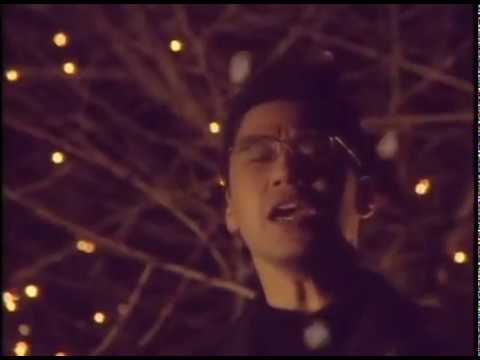
Released in 1992 as Yasushi Nakanishi’s second single.
It was used as the theme song for Nippon TV’s “Hitachi Ashita P-KAN Kibun!” and became Nakanishi’s biggest hit.
The song is also well known for being covered by many artists.
It’s filled with lingering feelings for a girlfriend he ended up parting with, and the rain expresses all of the man’s loneliness, sadness, and pain.