

Bittersweet feelings come rushing back! Recommended love songs for the Yutori generation

For those known as the “Yutori generation,” born roughly between 1987 and 2004, their youthful years likely span from around 2002 to 2019.
During their school days, many were probably immersed in club activities and romance, so there are plenty of songs that became memorable in connection with those experiences.
With that in mind, we’ve put together a list of love songs we recommend for the Yutori generation.
They’re all timeless tracks, so they’re recommended not only for members of the Yutori generation who may have listened in real time, but also for a wide range of listeners!
- Just listening makes my chest tighten... Breakup songs recommended for the Yutori generation
- Recommended for the Yutori generation! Tear-jerking masterpieces from the J-pop scene
- A love song that feels like youth. Love songs you want to listen to—and remember—during your adolescent years.
- Bittersweet! Love songs by female artists recommended for the Yutori generation
- Recommended love songs for teenage girls: classic and popular J‑Pop hits.
- Winter songs you'll want to listen to in the cold season! Recommended for the yutori generation
- Recommended love songs sung by male artists for the yutori generation
- Packed with everything from friendship to romance! Youth anthems recommended for Gen Z
- Memories come flooding back! Graduation songs recommended for the Yutori generation
- It cleanses the soul… Great J-pop songs recommended for the yutori generation
- Recommended love songs for high school students! A handpicked selection of heart-throbbing romance tunes.
- Tears for a heartrending story… Tear-jerking songs by women recommended for the Yutori generation
- Recommended for Gen Z! Classic love songs sung by female artists
Bittersweet feelings come rushing back! Recommended love songs for the Yutori generation (21–30)
miraclemiwa

This song captures the feeling of a summer romance, perfect for a season filled with sunshine.
Released in April 2013 as the CM song for Shiseido’s SEA BREEZE, it drew attention alongside visuals themed around high school youth.
Its breezy sound—colored by samba-style rhythms and percussion—blends with Miwa’s transparent, clear vocals to vividly express the thrill of summer.
The lyrics, which freshly portray wavering emotions and the anticipation of new encounters, just might give you the courage to leap into love.
The album featuring this track, Delight, topped the weekly album chart and was certified Gold by the Recording Industry Association of Japan.
It’s a cute summer tune recommended for anyone excited to kick off the season or looking to reminisce about their school days.
Star Lablationkerakera

Released in 2013, this is Kerakera’s second single, which was selected as the theme song for the drama “Last Cinderella.” The song portrays a woman who, though awkward, keeps moving forward with positivity.
Its bright, catchy melody and powerful lyrics are especially appealing.
The message—finding the courage to take a step while laughing through tears, and a smile that shines beyond one’s weaknesses—truly resonates.
MEME’s transparent, airy vocals and the up-tempo sound feel refreshing, and the track proved so popular it earned Platinum certification from the Recording Industry Association of Japan.
It’s the perfect song when you want a boost of optimism or to get everyone hyped at karaoke with friends.
tobacco / cigarette(s)Koresawa

Released in March 2017, this song was put out as Koresawa’s final single before her major-label debut—a poignant ballad about heartbreak.
The scene where the narrator picks up something left behind by an ex they supposedly hated, only to choke on its lingering scent, conveys the pain of regret over a lost relationship.
The lyrics interweave the remorse of not having paid enough attention to the other person with the longing to have been seen more themselves, vividly reflecting the anguish of a breakup brought on by clumsy expressions of love.
Set against a simple acoustic sound, Koresawa’s vocals gently soak into the heart, carrying the weight of feelings that couldn’t be put into words.
Blue BenchSasuke

The single released in 2004 is imbued with a wistfulness that lingers like standing on a station platform at dusk.
Created by Sasuke—who at the time gained word-of-mouth popularity with acoustic guitar and two-part harmonies—this work is a heartbreak tale of someone clutching a class reunion invitation and tasting regret.
Despite its simple, street-bred arrangement, the emotions that rise from the pauses in the lyrics and the swell of the chorus resonate across generations.
Though it peaked at only No.
8 on the Oricon Weekly chart, it remained charted for 64 weeks and was later included in school textbooks as a choral piece.
It’s a classic that gently stays by your side when you’ve grown up still holding faint memories of first love, or when you want to revisit old feelings during graduation season.
Song of LoveKōda Kumi

Released in September 2007 as her 37th single, this work is a deeply resonant ballad in which Kumi Koda sings from a new perspective she realized through giving love advice to friends and fans: “love is something you give.” She found inspiration while driving along the coast on a getaway to a hot spring inn, and wrote the lyrics immediately upon arrival.
They delicately portray a young woman’s aching heart as she senses a breakup approaching yet tries to convey unwavering love.
The song was featured in the MTI “music.jp” commercial and served as a support song for Fuji TV’s World Judo 2007.
Composed entirely of Kumi Koda’s vocals without any backing chorus, it centers on mid-to-low registers, making it easy to sing even for those who struggle with high notes, and it’s a track anyone who has experienced the end of a romance can relate to.
Love PhotosOtsuka Ai
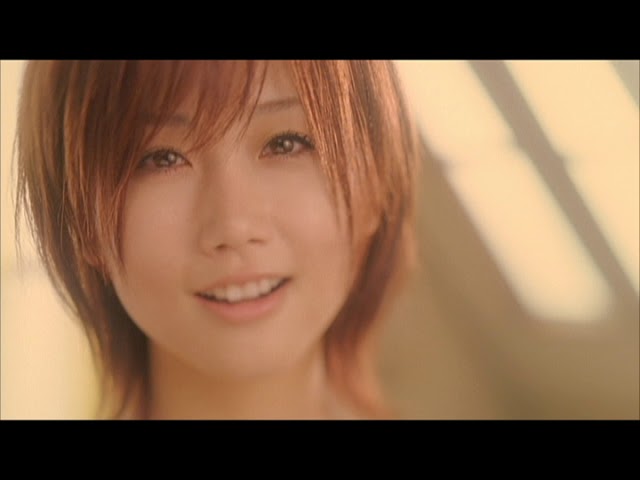
Ai Otsuka’s 13th single, released in 2006.
Chosen as the theme song for the film “Heavenly Forest” (Tada, Kimi wo Aishiteru), this piece is a poignant love song that expresses pure feelings for a past lover.
It’s a piano- and string-driven ballad in which the melody leaps in the chorus as if pouring out pent-up emotion, stirring a heart-wrenching sensation.
There’s even an anecdote that the song influenced the film’s title, which speaks to the power of its words.
The feeling of still loving someone after a breakup, and the inability to forget the happy moments locked in memory, is something many of us have experienced at least once.
It’s a song that brings tears with its pure, heartfelt longing for the one you love.
SAKURA DropsUtada Hikaru

A signature song by Hikaru Utada, released in May 2002, that intertwines the season of falling cherry blossoms with the tremors of the heart.
Issued as a double A-side single with “Letters,” it was also used as the theme song for the TBS drama First Love.
The lyrics, which entrust the feelings of a lost love—and the inevitability of falling for someone new—to the coming of spring and the farewells it brings, resonate deeply.
With a delicate mid-tempo beat and Utada’s translucent vocals, the track carries both sadness and hope.
It’s a song you’ll want to hear as graduation and parting season arrives, or on a spring day when you find yourself reminiscing about a past love.