

[Karaoke] A Collection of Songs Whose Titles Start with 'Mo'

At karaoke, people sometimes set various rules, like singing songs by the same artist or choosing based on song titles.
One fun idea is to pick a letter from the Japanese syllabary and sing “songs that start with ___.”
In this article, we’ll introduce a selection of songs that start with “mo,” so feel free to use this as a reference for your next karaoke session.
Many of these tracks feature sentimental words like “moshi” (if) and “mou” (already/no longer), so it can be nice to think about the lyrics’ meaning or imagine the story as you sing.
Be sure to check out these “mo”-starting songs by artists who’ve been active from the Showa era through Heisei and into Reiwa.
- A compilation of Vocaloid songs with titles that start with 'Mo'
- Compilation of Vocaloid songs with titles starting with “Mi”
- Songs Women Want Men to Sing: Popular Karaoke Picks Chosen by Girls
- A compilation of Vocaloid songs with titles starting with 'Mu'
- A roundup of songs with titles that start with “Me” (Melody, Merikuri, and more)
- [For People in Their 40s] Karaoke Songs That Are Easy to Sing: 2026 Ranking
- [Karaoke] A collection of Japanese songs that start with “Mu”
- A collection of songs with titles that start with “Mi.” Useful for shiritori and karaoke.
- A compilation of song titles that start with “Ma”
- Songs with titles that start with “wo.” Useful as hints for karaoke and shiritori!
- Songs Men Want Women to Sing at Karaoke: Irresistible Tracks [2026]
- Songs with titles starting with 'O' [Great for karaoke and shiritori!]
- A compilation of Vocaloid songs with titles that start with “Me”
[Karaoke] Compilation of songs with titles starting with “Mo” (21–30)
Burn!Fuji Kaze

Singer-songwriter Fujii Kaze, beloved around the world for his overwhelming musical sensibility and profound messages.
It’s a gentle anthem of encouragement that affirms your true self and urges you to move forward, embracing even your stumbles and embarrassments.
Its dynamic rhythm and hymn-like chorus kindle a warm flame in the listener’s heart.
First unveiled during a no-audience live-streamed concert in September 2021 and later released, the song is also included on the landmark album LOVE ALL SERVE ALL.
It was featured as the theme song for a Google Pixel collaboration commercial.
It’s perfect for those moments when you feel you might lose sight of yourself in a new environment or when you need the courage to take one more step.
moratorium=LOVE

=LOVE, the idol group that continues to captivate many fans with dazzling performances and rich expressiveness.
This track, included as a coupling song on their 20th single “Gekiyaku Chudoku,” released in April 2026, is a mid-tempo number centered by Sana Morohashi, whose vocal ability is unparalleled.
Its poignant worldview delicately portrays lingering feelings for a love you know won’t come true and emotions left hanging in midair, stirring a sentimental mood.
It’s recommended for those moments when you want to face forward while still carrying the pains of the past.
[Karaoke] Collection of songs with titles starting with 'Mo' (31–40)
MOTTOback number

When it comes to back number, known for producing numerous love songs, it’s all about bittersweet unrequited love songs and breakup songs! In this track, the lyrics depict someone so desperate to be understood that their desire for the other person could be called obsessive love, to the point they can’t let go.
Such straightforward feelings can come off as heavy and, in some cases, might even get labeled as “mentally unstable.” Featured on the album “Love Story,” released in March 2014, this song might help clear your head when your partner’s behavior seems a little suspicious…
If you’ve experienced love, there are probably many parts you’ll relate to.
Mogami RiverYamagata-ken
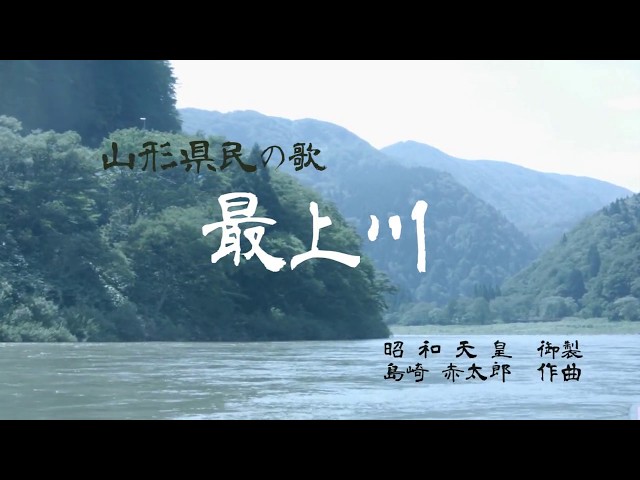
One of Japan’s three great prefectural songs, it eloquently sings—through a dignified melody—of the majestic figure of the mother river that flows throughout Yamagata Prefecture.
Based on a waka composed from impressions during Crown Prince Hirohito’s visit in 1925, Akataro Shimazaki set it to music in 1930.
Beloved by residents for many years, it was officially designated as the prefectural song in March 1982.
Though consisting of just a single tanka, it distills the purity of a river that flows gently across vast fields and empties into the sea.
It continues to be sung at school events and ceremonies within the prefecture, and a monument bearing the song stands in Hiyoriyama Park in Sakata City.
more than wordsHitsuji Bungaku

An alternative rock number whose charm lies in its literary word choices and a sound that feels warm even within its inorganic texture.
In this work, Hitsujibungaku incorporates a four-on-the-floor rhythm for the first time, unfolding a fantastical melody where the band’s timbre fuses with programmed beats.
Selected as the ending theme for the TV anime Jujutsu Kaisen Season 2: Shibuya Incident, the track was released in September 2023 and continues to enjoy enduring popularity.
It was later included on the album 12 hugs (like butterflies), where it sparked a reaction that pushed its play count past 100 million.
It’s highly recommended for nighttime moments when you want to reflect on your own way of moving forward, or when you need a gentle push on your back.
Why not savor it while immersing yourself in the world of the piece?
Delusional KyukyunAiobahn +81 feat. MOSAIC.WAV

A cute, energetic dance-pop track that positively affirms the world of imagination.
Released in March 2026, it’s a song by Aiobahn’s alternate moniker, Aiobahn +81, featuring MOSAIC.WAV on vocals and lyrics.
This number was created as an image song for “Delusion Angel,” a virtual idol unit appearing in the action RPG Zenless Zone Zero.
Its catchy melodies over tight beats and high-tension wordplay are irresistibly addictive.
The electro, get-up-and-dance sound links perfectly with the adorable vocals to create supreme pop appeal.
Give it a listen on days when you want to throw yourself into what you love.
Cotton HandkerchiefŌta Hiromi

A classic song in the history of Showa-era pop that portrays a long-distance romance between someone leaving their rural hometown for the big city and the lover waiting back home.
With lyrics by Takashi Matsumoto and music by Kyohei Tsutsumi, the piece is structured like an exchange of letters, a dialogue.
Set to a sprightly melody, it poignantly sings of the drifting emotions between the one being swept up in the city’s glamour and the one longing for unchanging love.
Released in December 1975 as Hiromi Ota’s fourth single, it became a major hit that earned her first appearance at the 27th NHK Kohaku Uta Gassen at the end of 1976.
The track was single-cut from the acclaimed album “Kokoro ga Kaze o Hiita Hi” (The Day My Heart Caught a Cold).
Give it a listen on nights when you’re thinking of someone dear, or when you want to soak in a nostalgic, retro mood.