

The Royal Road of Jazz: Classic modern jazz masterpieces. Popular tracks you should listen to at least once.

Have you ever wondered what exactly people mean by “modern jazz,” a term you often hear within jazz? If you’re new to jazz and have that question, you’re not alone.
Modern jazz generally refers to the period spanning from “bebop,” which emerged in the mid-to-late 1940s, to modal jazz, which appeared in the late 1950s.
You could even call modern jazz the classic, mainstream form of jazz, and many of the genre’s most iconic albums and songs were created during the modern jazz era.
In this article, we’ve put together a selection of great modern jazz tunes.
If you’re thinking of giving jazz a listen, this is the perfect chance to check them out!
- [Start Here] Jazz Masterpieces: A Must-Listen Album Selection
- [For Beginners] Classic Modern Jazz Albums: Recommended Records to Start With
- [Western Jazz] A Special Feature on Standard Numbers You’ve Heard at Least Once
- [Jazz Intro] Classic Jazz Tracks Recommended for First-Time Listeners
- Jazz commercial songs. Popular commercial songs.
- Hall of Jazz: Classic Blue Note Records. Recommended jazz albums.
- Classic swing jazz tunes. Recommended popular songs.
- Start here first! Classic jazz-rock masterpieces. Recommended popular tracks.
- Famous Western jazz classics. Recommended popular songs.
- Ranking of Popular Jazz Songs
- [2026] Jazz piano masterpieces: from standards to recent favorites
- Introduction! A collection of recommended masterpieces and standard numbers for jazz beginners
- [2026] A Collection of Classic Japanese Ballads with a Jazz Flavor
[The Royal Road of Jazz] Masterpieces of Modern Jazz: Popular Songs You Should Hear at Least Once (21–30)
Round About MidnightMiles Davis
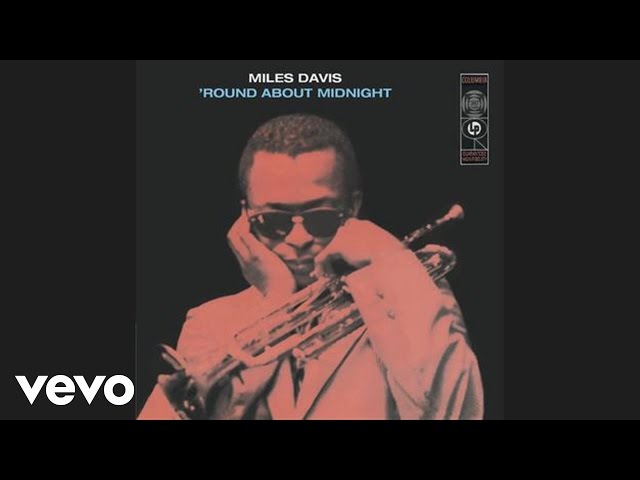
It’s no exaggeration to say that modern jazz began with him and ended with him.
Called both the “destroyer of bebop” and the “destroyer of modern jazz,” Miles’s delicate sound in this era is so lyrical that it seemed out of step with the prevailing movement of the time.
OrnithologyCharlie Parker

Named in honor of Charlie Parker’s nickname “Bird,” this piece is known as a landmark of bebop jazz.
First recorded on March 28, 1946, it epitomizes Parker’s innovative approach, captivating listeners with its complex melodic lines and rhythmic challenges.
By setting a new melody over the existing chord progression of “How High the Moon,” it expanded the possibilities of jazz and influenced countless musicians.
Recognized as a pivotal work in jazz history, it was inducted into the Grammy Hall of Fame in 1989.
Demanding high technical proficiency, this piece is recommended not only for jazz enthusiasts but also for anyone seeking new frontiers in music.
My Foolish HeartBill Evans

Japanese title: My Foolish Heart.
This is a song I especially want you to listen to when your heart is tired.
When you think of modal jazz, you think of Bill Evans; and when you think of Bill Evans, you think of My Foolish Heart—it’s that famous.
He was a properly classically trained player, and this piece wonderfully showcases modal technique, which features ambiguous tonality and isn’t constrained by traditional chord structures.
It’s a superb performance that feels like listening to modern classical music—perfect for relaxing alone at a bar.
Spring Is HereBill Evans

Like weaving pale light, the delicate tones spun from the piano by American pianist Bill Evans sink deep into the heart.
Recorded in New York in December 1959 and included on the album “Portrait in Jazz,” this piece beautifully captures both the joy of spring’s arrival and the fragile feelings that, for some reason, keep one from embracing that joy straightforwardly.
The conversational interplay of Scott LaFaro’s bass and Paul Motian’s drums renders loneliness and the pain of heartbreak with even greater depth.
It’s a track to savor in a quiet room at the turn of the seasons, when spring’s light and shadow intersect.
A gem of a performance recommended for those who wish to touch the subtleties of life.
ConcordeModern Jazz Quartet

As you can see from the cover art, this piece evokes France—Place de la Concorde.
Its classically styled arrangement, incorporating the Baroque fugue form, matches beautifully with swing.
Baroque music and bebop phrasing share striking similarities in their melodic variations.
This track gives a sense of learning from the past to discover something new.
The vibraphone sounds wonderfully soothing.
It pairs well with brandy.
DesafinadoStan Getz feat. João Gilberto

Warm and refined tones, like the sunshine of spring, gently envelop the heart.
The graceful melodies woven by American jazz saxophonist Stan Getz and Brazilian guitarist João Gilberto skillfully express the beauty of dissonance in love.
Born as a rebuttal to criticisms of bossa nova, this piece was included on the 1964 album Getz/Gilberto, captivating listeners with a distinctive sense of weightless drift created by syncopation and complex chord progressions.
Getz’s silky tenor saxophone, Gilberto’s delicate guitar, and the whisper-like vocals blend beautifully in a track that is perfect for a morning walk that heralds a new season or for a calm afternoon tea time.
Lament For A Fallen Matadorjim hall

The original piece is Albinoni’s Adagio from Baroque music.
I’m not sure whether jazz has an affinity with Baroque music, or whether at the core of Western people there exists “sin,” “sorrow,” “melancholy”—a kind of deeply serious sense of dejection.
But melancholy does move the human heart.
It’s a strange thing.
And the tone of Art Farmer’s flugelhorn, as if gently placing a hand on your shoulder, brings tears to the eyes.