

Moody Japanese classics: recommended popular songs

I’ve put together a playlist of moody Japanese songs—popular hits, timeless classics, and hidden gems—perfect for twilight or nighttime, when you want to savor some grown-up time.
It’s great for relaxing alone, or for listening quietly with your spouse, partner, or someone special.
Enjoy a wonderful time.
- [Sexy Songs] A roundup of Japanese songs that exude a mature vibe and sensual allure!
- [Emotional Track] Stylish night songs to listen to at night
- Songs Women Want Men to Sing: Popular Karaoke Picks Chosen by Girls
- [2026] Late-night listening! A roundup of recommended J-POP classics
- Enthralling mood kayō: A collection of classic Showa-era songs
- Karaoke songs recommended for men with low voices or who are good at singing in a low register
- Classic Japanese songs perfect for a relaxing day off
- A collection of nostalgic hits from the ’70s to 2000s that are perfect for livening up karaoke
- From Showa-era kayōkyoku to pop: songs that sound cool when you can really sing them
- Japanese songs perfect for the evening. Recommended evening tracks for your commute or as background music.
- [Sunset Songs] A selection of timeless classics and the latest tracks perfect for listening at dusk
- Songs That Attract Women in Their 40s: A Curated Selection of Male-Vocal Tracks That Women Love!
- [Popular and Crowd-Pleasing!] Stylish Song Selections and Karaoke Tracks
Moody Japanese hits: Recommended popular songs (11–20)
Mary Janetsunoda☆hiro

Hiro Tsunoda is one of Japan’s leading soul singers.
His appeal, above all, lies in his incredibly deep voice—so deep you’d hardly believe he’s Japanese.
It has astounding richness, and if you only listen to the voice, it can sound like a foreign singer.
Among his songs, the one I especially recommend is “Mary Jane.” It’s a classic, no explanation needed.
With its mix of sweetness and poignancy, this track brings out the full potential of his low register.
Be sure to give it a listen.

atonementTeresa Ten

“Tsugunai” is a signature song by Teresa Teng, the Taiwan-born singer who was beloved and known as the Diva of Asia.
Covered by many artists, this song is likely familiar not only to older listeners but also to many younger people who have heard it somewhere.
From a woman’s perspective, it portrays the regret and heartache of a couple who have resolved to part ways.
It might be nice to immerse yourself in this song while quietly reminiscing about past love.
A timeless classic—wonderful to sing and wonderful to simply listen to.

I want to hug you.Mr.Children

A gemlike love ballad whose sweet, wistful feelings seep gently into the heart.
Created by Mr.Children in December 1992, the song is marked by its key changes—born from producer Takeshi Kobayashi’s idea—and the tender tone of the piano.
Infused with pure affection and devoted sentiment, its melody exudes a grown-up allure perfect for a late-night lounge.
It was featured as an insert song in the Fuji TV drama “Pure” and used in NTT Docomo commercials, and has been covered by many artists, including Ryuichi Kawamura and Anri.
Its warmth, which seems to envelop deep feelings for a loved one, is part of its charm, and as a song that keeps close company on nights spent with someone special, it has been etched into the hearts of many.
The one I still love even after we’ve broken upRosu Indiosu & Shiruvia

This classic duet is a staple in Japanese snack-bar karaoke.
Listening to it brings back memories of Japan’s bubble economy at its peak.
It’s fair to call this song a representative example of mood kayō (mood歌謡).
Although Sylvia sadly passed away in 2010 after battling illness, Los Indios have continued their activities since then.
dearestFukuyama Masaharu

Produced in October 2008 as the theme song for the film “The Devotion of Suspect X,” this gem of a ballad portrays deep affection and the ache of parting.
While anticipating farewell to a dreamlike presence, it sings of the fragility and beauty of continuing to love.
The pure love that Tetsuya Ishigami, a character in the story, holds for Yasuko Hanaoka is expressed through the delicate words crafted by Masaharu Fukuyama, and the song was also used in Toshiba’s LCD TV “REGZA” commercial.
As the unit KOH+ with Kou Shibasaki, it reached No.
5 on the Oricon Weekly Singles Chart.
Fukuyama later included his own version on the album “Zankyo.” It is a supreme masterpiece that accompanies adult romance—perfect for quietly savoring a drink in a night lounge.
Scorpio womanMikawa Ken’ichi

Kenichi Mikawa’s “Woman of Scorpio” is well-known as a song that made a comeback thanks to Korokke’s impersonation.
It’s a song that gains even more impact when sung by Mikawa than by a woman.
Listening to the lyrics again, the content is quite frightening, but Mikawa’s persona keeps it from feeling too heavy.
Moody Japanese classics: Recommended popular songs (21–30)
So sad I can’t bear itZa Fōku Kurusedāzu
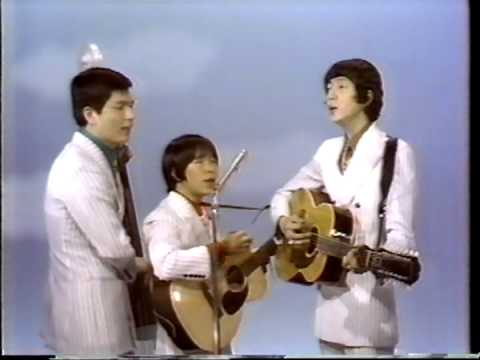
With its incredibly gentle singing voice and melody, it almost brings me to tears when I listen.
When something sad happens, I find myself humming it without thinking.
After singing it, I feel as if my heart has been cleansed.
It seems important to say “I’m sad” when you’re feeling sad.
I also recommend the version sung by Mikako Tabe in the film Miss Granny; it’s really good.