



I’ve put together a playlist of moody Japanese songs—popular hits, timeless classics, and hidden gems—perfect for twilight or nighttime, when you want to savor some grown-up time.
It’s great for relaxing alone, or for listening quietly with your spouse, partner, or someone special.
Enjoy a wonderful time.
- [Sexy Songs] A roundup of Japanese songs that exude a mature vibe and sensual allure!
- [Emotional Track] Stylish night songs to listen to at night
- Songs Women Want Men to Sing: Popular Karaoke Picks Chosen by Girls
- [2026] Late-night listening! A roundup of recommended J-POP classics
- Enthralling mood kayō: A collection of classic Showa-era songs
- Karaoke songs recommended for men with low voices or who are good at singing in a low register
- Classic Japanese songs perfect for a relaxing day off
- A collection of nostalgic hits from the ’70s to 2000s that are perfect for livening up karaoke
- From Showa-era kayōkyoku to pop: songs that sound cool when you can really sing them
- Japanese songs perfect for the evening. Recommended evening tracks for your commute or as background music.
- [Sunset Songs] A selection of timeless classics and the latest tracks perfect for listening at dusk
- Songs That Attract Women in Their 40s: A Curated Selection of Male-Vocal Tracks That Women Love!
- [Popular and Crowd-Pleasing!] Stylish Song Selections and Karaoke Tracks
Moody Japanese classics: Top 10 recommended hits (1–10)
The Last RainYasushi Nakanishi

A gem of a ballad that gracefully portrays rainy scenery and the ache of parting.
Yasushi Nakanishi’s transparent vocals exquisitely capture lingering feelings for a lover and a passion verging on madness.
The dramatic piano melody and strings weave an achingly poignant world.
Released in August 1992, the song peaked at No.
16 on the Oricon chart.
It drew attention as the theme song for Nippon TV’s “Hitachi Ashita P-KAN Kibun!” and had sold a cumulative total of about 900,000 copies by 1998.
Featured on the album “Yasushi Nakanishi,” among many other releases, it has inspired numerous covers by prominent artists, including Kumi Koda.
A sophisticated track best enjoyed while quietly sipping a drink in a lounge.
On nights when you want to soothe the pain of a broken heart, its soulful voice will gently stay by your side.
Let yourself go with the flow of timeTeresa Ten

Teresa Teng was an Asian songstress from Taiwan.
She made her singing debut at the young age of 14.
Her clear, transcendent voice captivates listeners across borders.
This song became a massive hit, selling two million copies.
Sadly, she passed away in 1995 at the age of 42.
AliensKirinji

It’s a captivating song that pairs an urban melody resonating like it nestles into the stillness of night with poetic depictions of suburban scenery.
Using the word “alien” to express a sense of social alienation, it delicately weaves the pure love of two lonely people.
Released as a single by Kirinji in October 2000 and later included on the album “3,” the song was featured in a LINE Mobile commercial in 2017 and as an insert song in an NHK BS Premium drama in 2018, winning the hearts of many.
It’s a track that lingers—one that accompanies late-night drives or unhurried moments in a bar lounge, soaking into the hearts of adults.
Wine Red Heartanzenchitai

What is this mysterious charm that emanates from the whole of Anzen Chitai? To be able to sing with such ennui in his twenties—Koji Tamaki’s voice is truly a gift.
He’s been very active, yet the gentleness you can feel in his voice is wonderful.
The Path of Starlit Shadowschiaki naomi

While “Kassai” (Applause) is especially famous, this one is a hidden gem.
After the death of her husband, Naomi Chiaki retired from show business in September 1992, but “Hoshikage no Komichi” (Star-Shadow Lane) was released that December, after her retirement.
Knowing that background makes it an even more touching and gently moving song.
Sake, Tears, Men, and WomenKawashima Eigo

This song irresistibly evokes a man’s melancholy.
The images of a man who drinks, grows tired, and falls asleep, and a woman who cries, grows tired, and falls asleep are deeply affecting.
Eigo Kawashima’s singing style is masculine and bold.
He passed away in 2001 at the young age of 48, and that year his close friend Takao Horiuchi performed this song on NHK’s Kōhaku Uta Gassen, moving the nation to tears.
Pink sighTakahashi Mariko
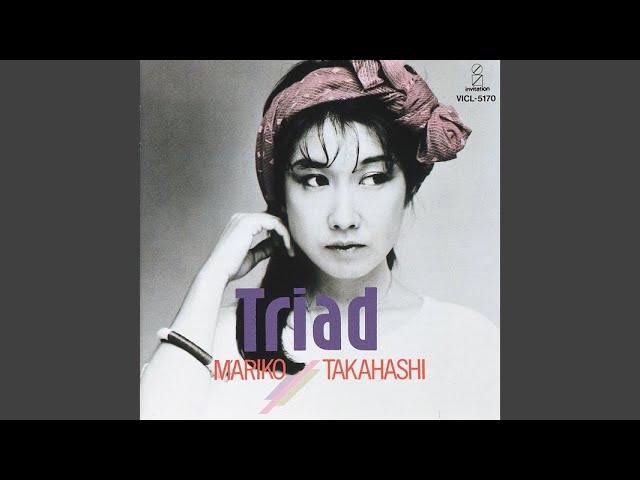
This is a masterpiece that fuses an exotic, Mediterranean-inspired atmosphere with an urbane, sophisticated sound.
It paints a dreamlike portrait of a woman who blossoms like a flower when embraced by her lover, expressing both the beauty and the transience of love.
Mariko Takahashi’s delicate yet powerful vocals further deepen the song’s world.
Released in May 1984 as the theme for Mitsutaka’s “Camellia Diamond” commercial, it was also included on the album Triad.
Highly acclaimed—winning the Lyrics Award at the 26th Japan Record Awards—it became a long-running hit.
With a calm ambience that reveals a hidden passion, this song is perfect for spending quiet moments with someone special.