


Music, with its wide variety of genres like classical, jazz, and pop, is loved by people all over the world.
Some of you may want to deepen your knowledge about music, such as the features of sheet music and instruments.
In this article, we’ve gathered a collection of quizzes themed around music.
We’ll introduce everything from quizzes that help you acquire basic musical literacy to ones that ask about the meanings of musical symbols.
Why not try these music quizzes that can help you learn words you may have heard in daily life but never fully understood, and lead to new discoveries?
- A music quiz for elementary school students. We turned musical symbols and fun facts into quiz questions!
- Surprisingly unknown? Trivia Quiz [Multiple Choice: 3 Options]
- Let's take on a four-choice quiz that everyone can enjoy together!
- How many can you get right? A tricky 3-choice trivia quiz you'll want to tell someone about
- [For Seniors] Fun Brain Training! Music Quiz: Guess the Song from 3 Hints
- Detective Conan quiz. A three-choice (multiple-choice) Conan quiz.
- Stimulate your intellectual curiosity! Fascinating trivia quizzes that you’ll want to share with others
- [Interesting] Compilation of Trivia Quiz Questions
- [Trick Quiz] Quiz Questions That Excite Everyone from Kids to Adults
- A quiz site for university students, featuring everything from academic to entertainment quizzes!
- [General Questions] Knowledge and Quiz Questions about Famous Anime
- [May 2026] roundup of the latest trending commercial songs
- You'll want to tell someone! A three-choice trivia quiz about Doraemon
A knowledge-building music quiz. A collection of multiple-choice music questions (1–10)
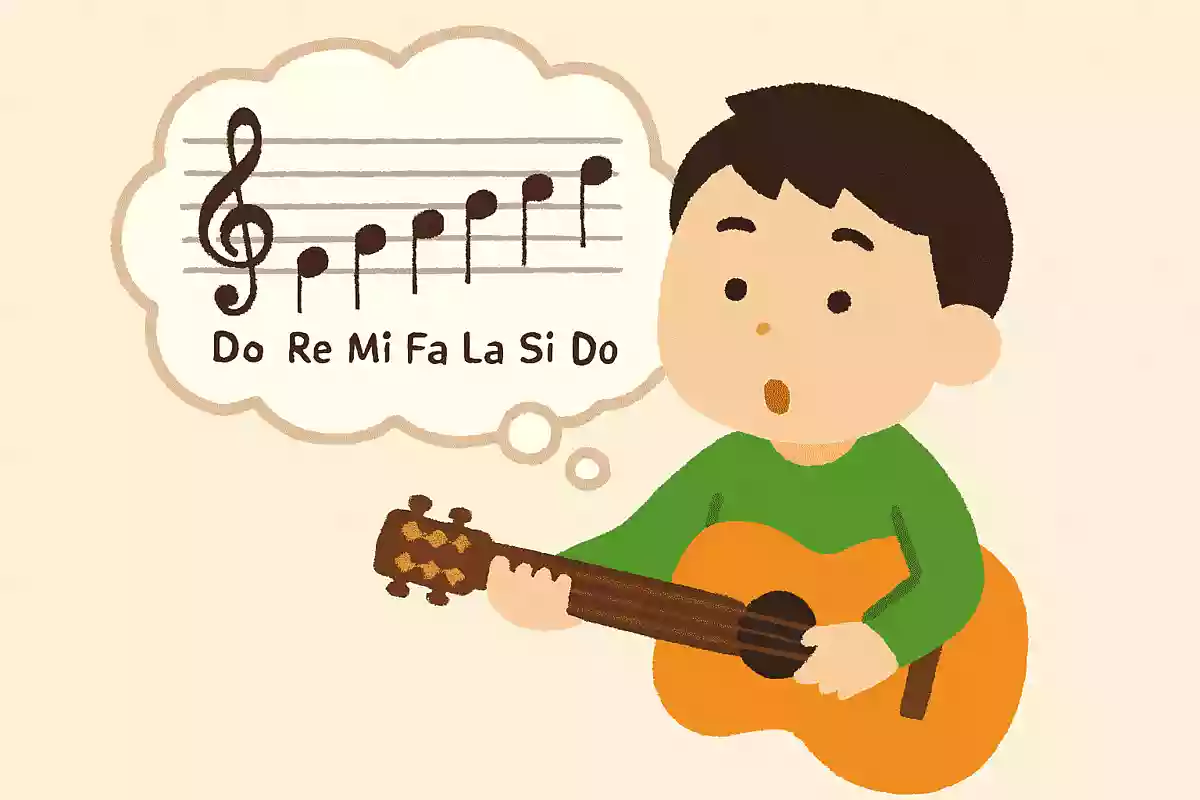
What language is do-re-mi-fa-so-la-ti-do?
- Italian
- German
- French
See the answer
Italian
The names of the scale Do-Re-Mi-Fa-Sol-La-Ti-Do are pitch names of Italian origin. They are part of solfège (a method of music education) introduced in the 11th century by the musician Guido of Arezzo, and were originally taken from the initial syllables of the medieval Latin hymn “Ut queant laxis,” a chant dedicated to Saint John.
What are the three main elements that make up music: “rhythm,” “melody,” and what’s the third one?
- Harmony
- Contrast
- Dynamic
See the answer
Harmony
The three fundamental elements of music are rhythm, melody, and harmony. Rhythm deals with temporal aspects such as note duration, dynamics, and tempo; melody concerns pitch and the beauty of the melodic line. Harmony refers to the relationships among chords produced by multiple sounds occurring simultaneously, and it is a crucial element that adds depth and emotion to music.
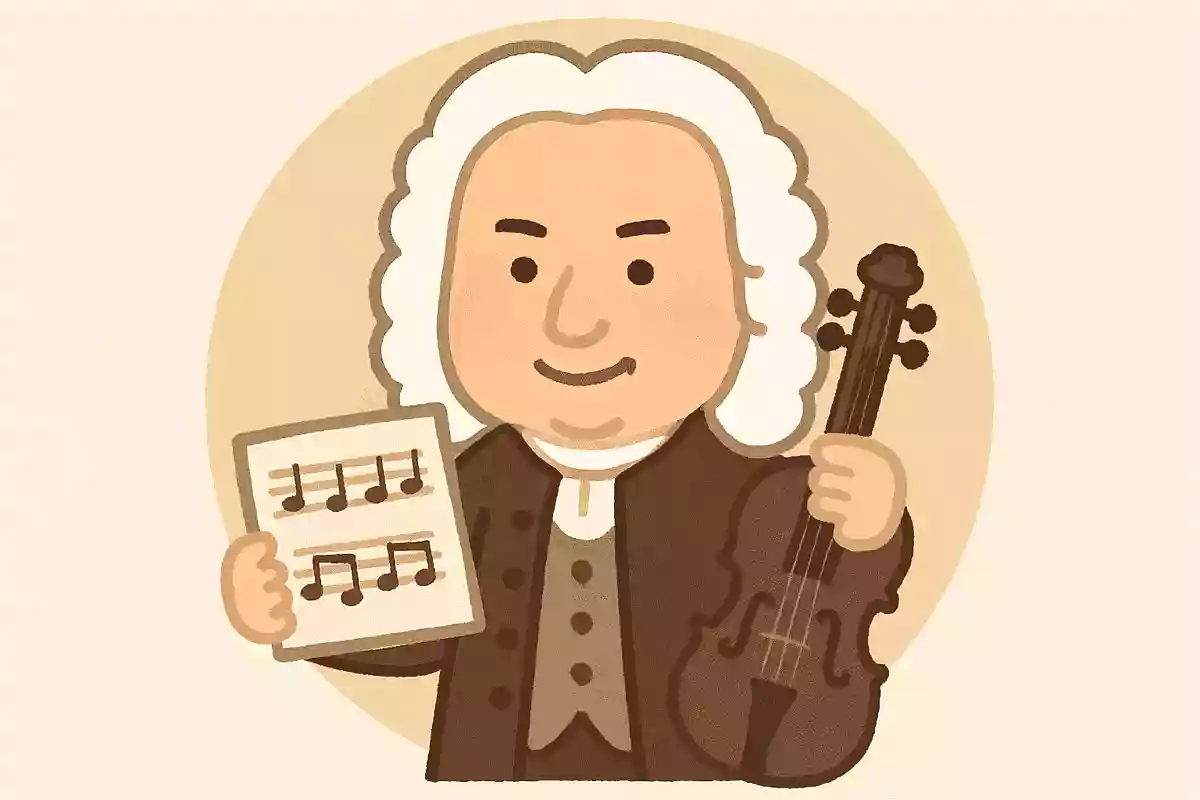
Which musician is called the Father of Music?
- J.S. Bach
- Mozart
- Beethoven
See the answer
J.S. Bach
Johann Sebastian Bach is called the “Father of Music” because he made major contributions to the establishment of the tonal system and musical forms in Western music. His works had a profound influence on the composers who followed.
What do you call the part where you place your lips when playing a brass instrument?
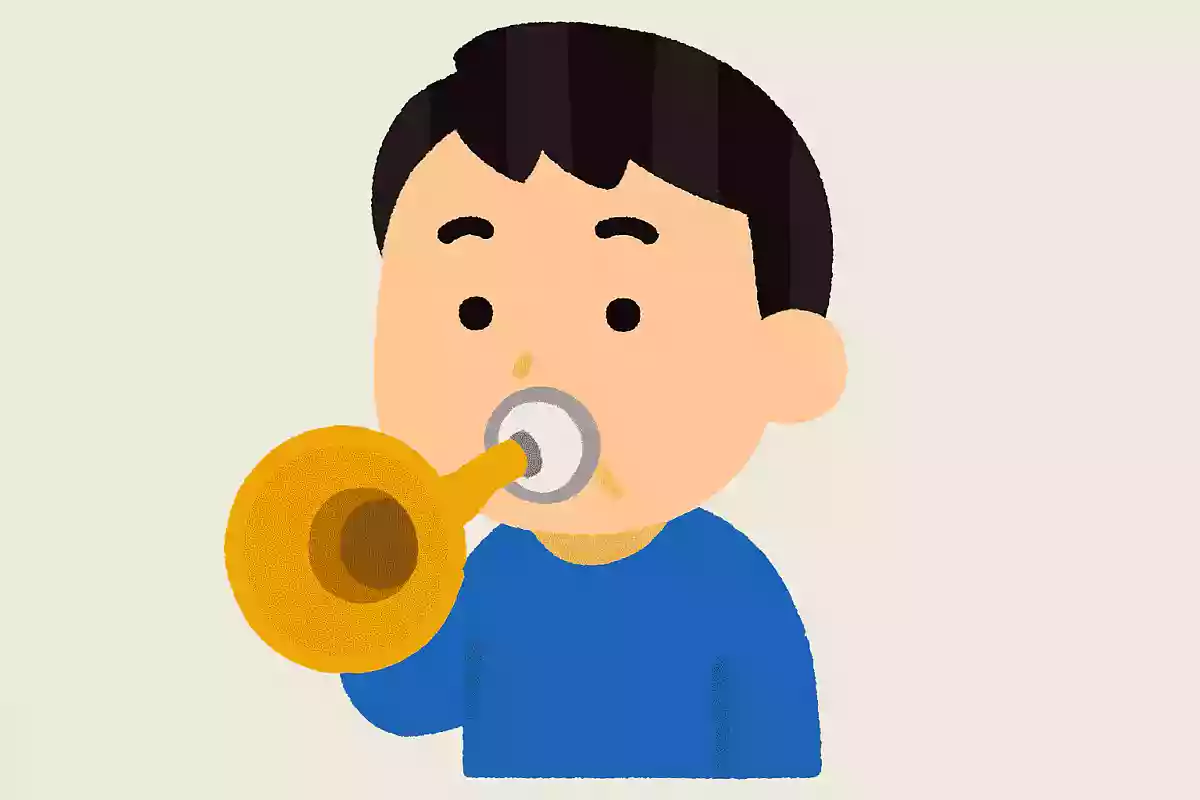
- mouthpiece
- Lead
- valve
See the answer
mouthpiece
When playing brass instruments, you place your lips on a part called the mouthpiece and create vibrating air to produce sound. A reed is a thin, leaf-shaped component used in some woodwind instruments, which vibrates to produce sound. Valves are parts used to change the length of a brass instrument in order to alter the pitch.
What do you call performing with four instruments?
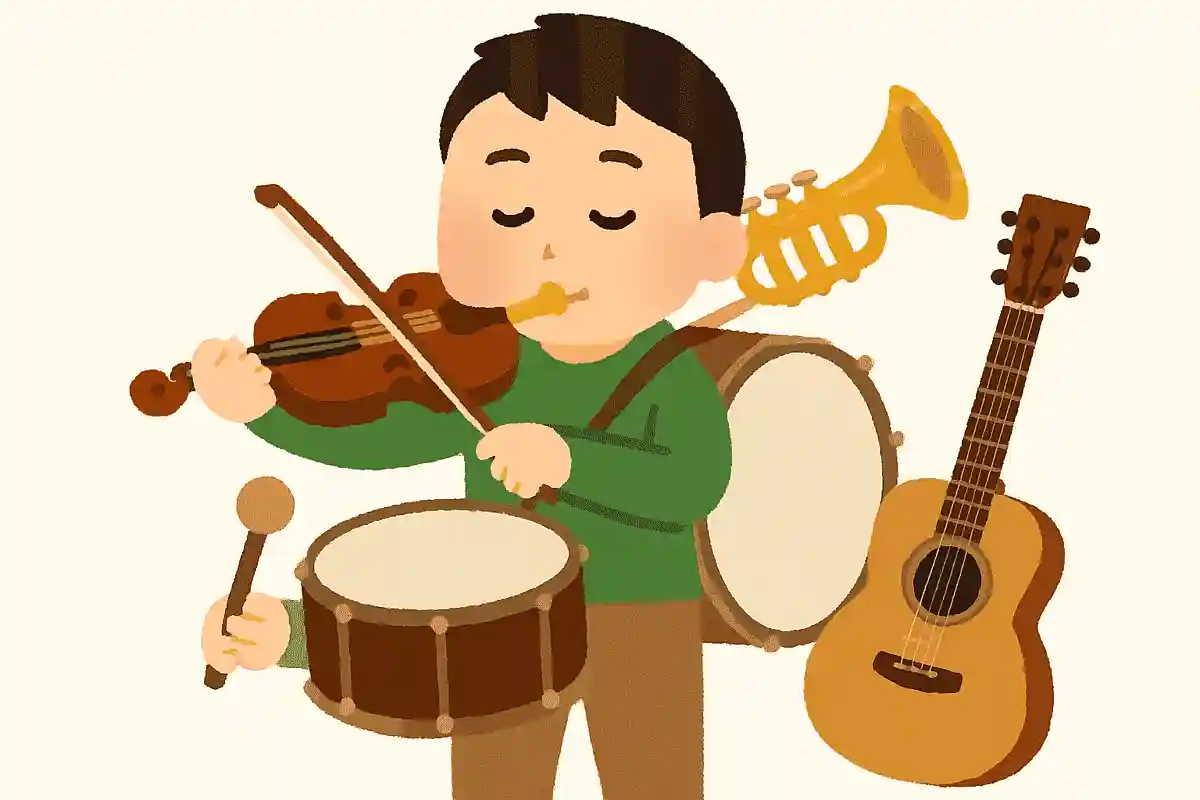
- Quartet
- Trio
- solo
See the answer
Quartet
“Quartet” refers to an ensemble performed by four musicians. In particular, the string quartet (two violins, a viola, and a cello) is well known. By contrast, a “trio” is performed by three players, and a “solo” is performed by one.
What is the musical term that means “very soft”?

- forte
- pianissimo
- Andante
See the answer
pianissimo
The musical term meaning "very soft" is pianissimo. This word comes from Italian, meaning "very quietly," and in music it indicates that the piece should be played at a very low volume. This instruction is usually written with two piano marks (pp).
How many white keys are there on a piano?
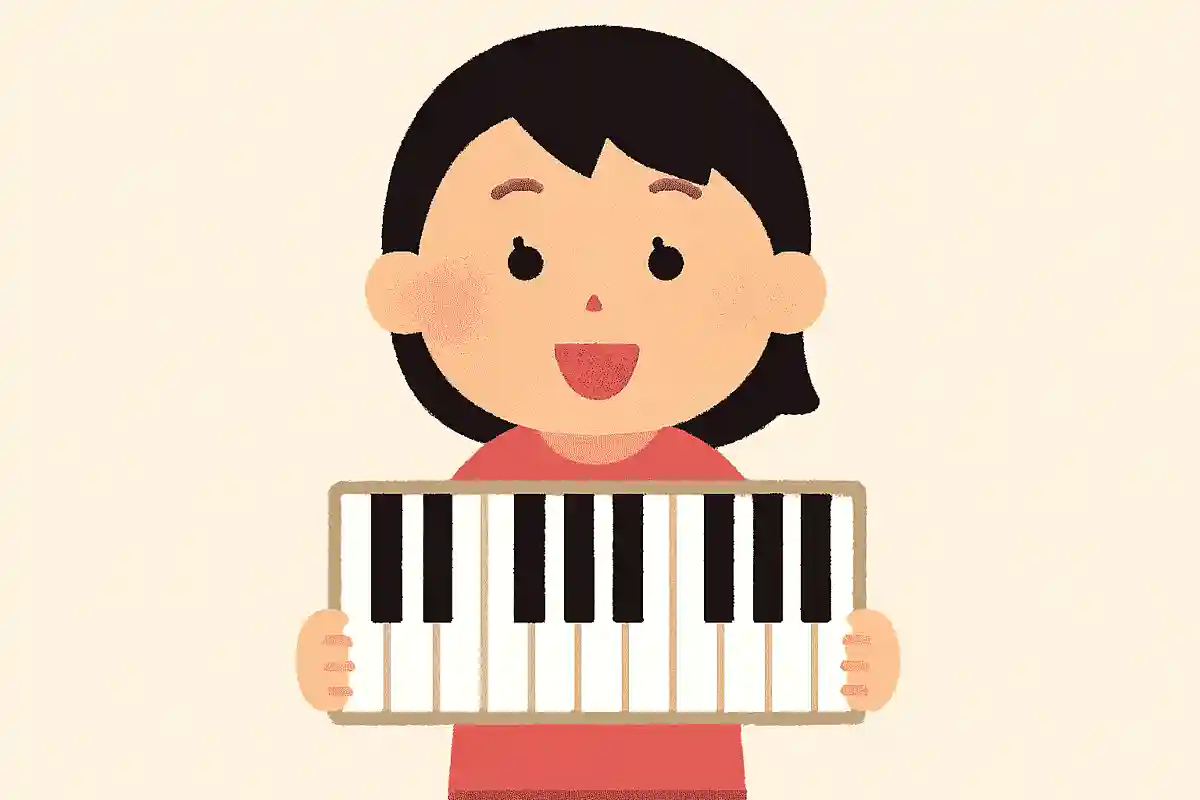
- 52
- 88
- 76
See the answer
52
A standard piano has 88 keys, of which 52 are white keys. Together with the remaining 36 black keys (sharps and flats), they make up the 88-key piano.