


Songs to Play at My Own Funeral: Timeless Gems to Make Farewells Uniquely My Own

Have you ever thought, “If they play a song at my own funeral, I’d like it to be this one”? Some of you may also have felt, “I want to send off someone precious to me with this song.” In this article, we’ve gathered songs that are perfect for playing at your own funeral or for expressing gratitude to those who have supported you until now.
From massive hits to little-known gems, we’ve selected a wide range of tracks.
If you’re looking for music to color a final farewell, please use this as a reference.
Songs to Play at My Funeral | Timeless Gems to Color Your Farewell in Your Own Way (1–10)
SoranjiMrs. GREEN APPLE
This is a ballad imbued with messages that explore the meaning of life and touch the depths of the human experience.
Written as the theme song for the film “From Siberia With Love,” starring Kazunari Ninomiya and Keiko Kitagawa, it was released in November 2022.
Reflecting the world of the movie, the lyrics gently convey the preciousness of life and the importance of bonds with loved ones.
Its grand arrangement incorporating strings and its moving vocals are especially memorable.
When you feel lost in life or think of someone dear to you, this song is sure to give you courage.
the scent of flowersMr.Children

A four-piece rock band, Mr.Children, has released countless masterpieces and continues to exert a profound influence on up-and-coming artists.
This is their first digital-only single.
The song was chosen as the theme for the 2008 version of the film “I Want to Be a Shellfish,” and its ethereal arrangement—evoking the fragility of life—is truly beautiful.
Words of gratitude that can never be said enough, and farewells that can no longer be spoken may be eloquently conveyed simply by playing this track.
With a message that we will meet again someday, it’s a tear-jerking number that gently nudges your heart forward.

I miss youRADWIMPS

A gem of a song by RADWIMPS, with the repeated words “I want to see you” pressing on the heart.
It’s included on the album “2+0+2+1+3+1+1 = 10 years 10 songs,” released to mark ten years since the Great East Japan Earthquake.
It’s striking how the thoughts for the lives lost and the emotions of those left behind are expressed quietly yet powerfully.
The gentle sound of the guitar and Yojiro Noda’s vocals stay close to the listener’s heart.
It’s a song that can gently be there for those who have experienced parting with someone dear.
Along with warm memories, it may help those left behind take a new step forward.
threadNakajima Miyuki

Miyuki Nakajima’s song, whose beautiful lyrics liken encounters between people to warp and weft threads, resonates deeply.
It was released in November 1992 as a track on the album “EAST ASIA.” In 1998, it was chosen as the theme song for the TBS drama “March of the Saints,” capturing the hearts of many.
Thanks to a cover by Bank Band, it became widely recognized across different generations and is still beloved as a wedding classic.
This work conveys the importance of the encounters in life and the meaning of supporting one another.
It’s a recommended song for times when you want to look back on the bonds you’ve shared, especially before parting with someone dear.
A Bouquet for YouUtada Hikaru

Since debuting as a teenager and taking the J-POP scene by storm, singer-songwriter Hikaru Utada—who broadened her expressive range through her “human activities”—released this as her fourth digital-only single.
Chosen as the theme song for the NHK morning drama series Toto Nee-chan, the track features an exquisite, simple, and translucent arrangement centered on piano and strings.
Its lyrics, which evoke a message to someone who has passed away, resonate with the feelings of many attendees and seem to gently color the final farewell.
A medium-tempo ballad that, while tinged with sadness, still conveys a certain brightness—perfect for a last goodbye.
NonfictionHirai Ken
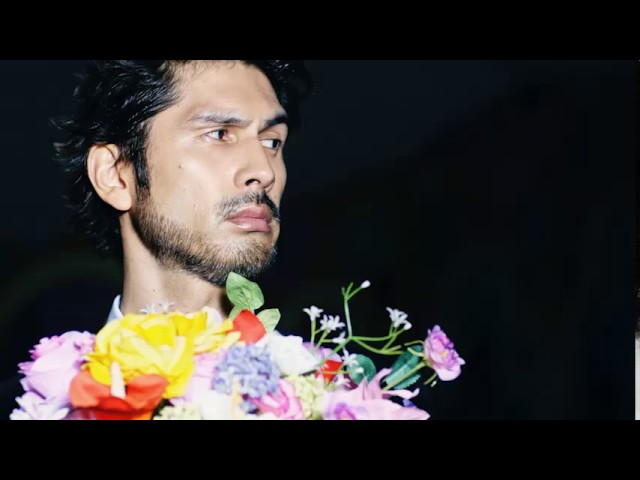
This is a song by Ken Hirai that powerfully voices the pain and sense of defeat in life.
Its striking lyrics reflect on a lost friend and question the meaning of living.
Released in June 2017, it was also used as the theme song for TBS’s Sunday drama “Little Giant.” Set in a nighttime amusement park, the music video beautifully fuses Hirai’s vocals with a dancer’s performance.
Expressing life, death, and the emotions that sway in between, this piece is a song that gently accompanies those facing a final farewell.
dogwood (flowering dogwood)Hitoto Yo

This is the fifth single by female singer Yo Hitoto, known for numerous tie-ins including the theme song for the film Hanamizuki as well as various commercials and TV dramas.
Written as an anti-war song in response to the September 11, 2001 attacks in the United States, it’s a track widely recognized across a broad audience and was the most-sung song of the Heisei era in karaoke.
The lyrics, which wish for the lasting happiness of a loved one, are likely to resonate with many attendees at funerals as a message from the deceased.
It’s a peaceful number that speaks on behalf of the feelings toward those who cared for us.