

[Brilliance of Youth] A masterpiece of neo-acoustic. The essential go-to album for neo-acoustic!

If you’re fairly knowledgeable about Western music, you’ve probably heard of a genre called neo-acoustic.
Some of you may have learned about it because a favorite Japanese artist cited it as an influence.
In early-1980s Britain, many bands emerged on several indie labels that would later be considered prestigious, each expressing a distinctive musical approach centered on acoustic sounds.
Japanese music media collectively dubbed this movement “neo-acoustic,” or “neo-aco” for short, and that’s said to be where it all began.
In this article, we’re spotlighting a must-hear classic as your first step into neo-aco.
As a foundation, we’ll mainly be introducing British bands this time!
- [2026] The Wonderful Irish: Popular Bands from Ireland
- [2026] The Beautiful World of Ambient: A Curated Collection of Must-Listen Masterpieces
- Classic youth punk songs from Western music. World-famous classics and popular tracks.
- [2026] A roundup of the best UK bands, featuring many up-and-coming acts!
- Classic Western albums: must-listen recommendations you should hear at least once
- Stylish Western music: Chic hidden gems that only the in-the-know recognize make an appearance!
- [Chill Track] A Classic of Hawaiian Music
- [2026] Masterpieces of UK Rock: A roundup of must-listen recommended albums
- [Western Music] A classic of 90s emocore. One album I want you to listen to first.
- Great as an introduction to Western music! A best-of album loved around the world.
- A classic tribute album of Western music. A highly recommended pick.
- Emotional Western Music Special | Handpicked from All Generations
- [2026] Moving Western songs that touch the heart: A roundup of recommended classics
The Brilliance of Youth: A neo-acoustic masterpiece. A fundamental neo-acoustic album! (11–20)
Life In A Northern TownThe Dream Academy

Among the bands discussed within the realm of neo-acoustic music, this one truly stands out.
Hailing from the UK, The Dream Academy is a trio formed in 1983.
Their music is characterized by a faintly beautiful, subtly cool texture crafted with a unique sensibility: while they foreground a simple acoustic sound that clearly departs from the lavish rock productions of the ’80s, they also deftly incorporate instruments like the oboe and saxophone.
Their self-titled debut album from 1985—co-produced by none other than David Gilmour of Pink Floyd—is an unfading masterpiece that highlights The Dream Academy’s distinctiveness.
Start by listening to the magnificent opening track, “Life In A Northern Town,” which became a hit not only in their home country but also in the United States.
Its simple yet flowing sound and gorgeous choral work are always a delight, evoking elements of baroque pop that bring classical influences into rock.
The album as a whole carries a wintry atmosphere, making it a work you might especially want to revisit during the colder months.
It’s never flashy, and it inhabits a world different from the glittering, youthful sparkle often associated with neo-acoustic music, but it’s worth knowing that such a sound existed in 1980s Britain—one that was highly regarded and achieved commercial success.

State Of ArtFriends Again

Released in 1984, Trapped And Unwrapped is another “one and only, yet a classic” album that you often find in the neo-acoustic scene.
Left behind by Scotland’s Friends Again, it served as both their debut and their final work.
The fact that Flipper’s Guitar even lifted a title from the band’s name should tell you just how popular they were.
Produced by the late, great Bob Sargeant—who worked on many iconic British records and sadly passed away in 2021—the album shares the sweet-and-sour pop sensibility and melodies of fellow Scots Aztec Camera and Orange Juice, while standing out with a sound that draws just the right amount of influence from soul and funk.
The breezy cutting guitar and soulful arrangement of Lucky Star make for a stellar opener; Sunkissed forces you to surrender to its undeniable poppiness; and State Of Art—whose shimmering arpeggios and elegant strings make it a neo-acoustic classic—is another gem.
It’s packed with songs that simply make you feel great.
There’s also a reissue version that adds rare tracks and early singles, so grab it if you see it!
I’m FallingTHE BLUEBELLS

Just from the band name The Bluebells, you can’t help but expect the sparkling sound of youth! Hailing from the sacred land of Scotland and formed in 1981, The Bluebells disbanded in 1986 after releasing a single album.
Although they have continued activity intermittently since then, the small number of works they left behind, along with their quintessentially neo-acoustic career and sound, has made them especially popular among Japanese neo-acoustic fans.
Their brilliant debut album Sisters, released in 1984, is known as an essential masterpiece—if you’re interested in neo-acoustic music and haven’t heard it yet, you absolutely should.
Standing alongside great Scottish neo-acoustic bands from the same scene like Aztec Camera and Orange Juice, this landmark of neo-acoustic features many standout tracks that highlight the magical pop sensibility unique to Scottish bands: the classic I’m Falling, which reached No.
11 on the singles chart; a cover of Bananarama’s (!) Young at Heart; and Cath, whose harmonica tones are sweetly bittersweet.
Also note that the track Will She Always Be Waiting was produced by none other than Elvis Costello.
As an aside, their shelved second album was released only in Japan by Vinyl Japan in 1992—so that’s a must-check as well!
The Boy With The Thorn In His SideThe Smiths
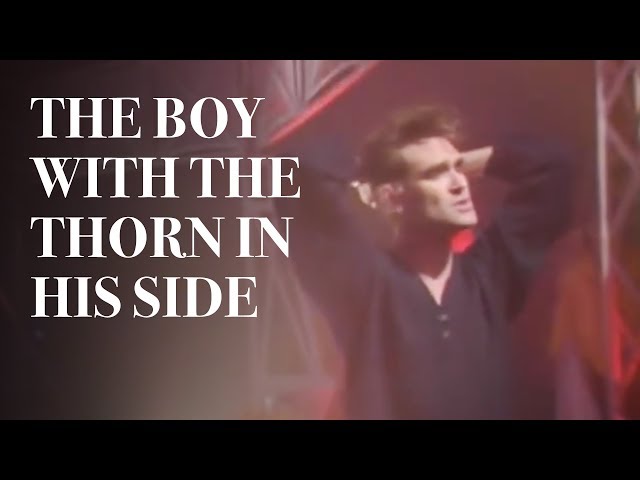
Some people might balk at describing The Smiths—a legendary British band that countless great musicians openly cite as an influence—through the lens of “neo-acoustic,” but their songs, woven from band ensembles that lean heavily on acoustic guitars and clean tones, stand in stark contrast to the lavish rock sound powered by the latest ’80s technology, and are simply too beautiful to ignore when discussing the history of neo-acoustic and guitar pop.
The album featured here, The Queen Is Dead, is often hailed as the Smiths’ masterpiece among masterpieces.
While it’s hard to capture the brilliance of what is more of a landmark of British rock than “neo-acoustic” in a short passage, from a neo-acoustic perspective, tracks like There Is a Light That Never Goes Out—never released as a single yet regarded as one of their signature songs—The Boy with the Thorn in His Side, whose Japanese title, “A Boy with Thorns in His Heart,” is practically the band’s very image, and Some Girls Are Bigger Than Others, whose intro guitar is achingly beautiful and could be called classic, straight-ahead guitar pop, are all gems that will deeply resonate with neo-acoustic fans.
That said, a word of caution: frontman Morrissey’s lyrical world is exceedingly dark and twisted, and quite far removed from the sort of youthful spirit typically associated with neo-acoustic.
Head Start for HappinessThe Style Council

It isn’t purely neo-acoustic, but there are surprisingly many bands that are hugely popular within the neo-acoustic scene and frequently featured on compilations.
The Style Council, led by Paul Weller—an elder statesman of the British rock scene—is one such group.
At the height of his popularity, Weller disbanded the legendary band The Jam and formed a group that expressed his admiration for Black music—soul, funk, and jazz—through a stylish, pop-oriented sound, and they were very popular in Japan at the time as well.
Their debut album, Café Bleu, which reached No.
2 on the UK charts, is a classic packed with a wide variety of songs backed by the eclectic musicality of The Style Council, and compared to their later works, it leans more toward the neo-acoustic side.
For neo-acoustic fans, there are plenty of irresistible tracks, such as The Whole Point of No Return, with its chic bossa-flavored guitar; The Paris Match, featuring Everything But The Girl’s Tracey Thorn on backing vocals; and Headstart for Happiness, a title even quoted for a neo-acoustic compilation released in Japan.
As for the famous and truly great song My Ever Changing Moods, the album presents a version with only piano accompaniment and Weller’s vocals—superb in its own right—but if you want the full band version, check out best-of collections or neo-acoustic compilations!
In conclusion
If you’ve actually listened to the albums introduced here, you were probably surprised by how deep and wide-ranging the genre of “neo-acoustic” can be.
To be honest, many bands broke up after releasing only a handful of EPs, and it’s often the B-sides of singles that hide the true gems—that culture is the real charm of neo-acoustic.
So if this article has piqued your interest, head to a used record shop right away!