

A world heritage site Japan is proud of! Take on a quiz to dive deep into Nikkō Tōshō-gū!

Toshogu Shrine in Nikko was inscribed as Japan’s 10th UNESCO World Heritage site in 1999.
It’s widely known that the shrine enshrines Tokugawa Ieyasu, the founder of the Edo shogunate, but fewer people may be familiar with the intentions and meanings embedded in its lavish carvings and architecture.
So this time, we’ve created a quiz that lets you learn fun trivia about Nikko Toshogu.
We’ve prepared tidbits that will make your visit many times more enjoyable if you know them beforehand, so we hope you have fun with it.
- Let’s take on the challenge! A multiple-choice history quiz for elementary school students. Review your history lessons.
- Trivia quiz about Kegon Falls. Deepen your knowledge of Nikko’s tourist attractions!
- A collection of challenging quizzes for adults [Difficult]
- Fun quizzes for elementary school kids: a collection of questions everyone can enjoy together
- [World Heritage] 3-choice quiz to deepen your trivia about Nijo Castle
- Quiz about Kinkaku-ji: tidbits to help you understand the Golden Pavilion
- What kind of place is Byodoin Phoenix Hall? A quiz to learn about a Japanese architectural masterpiece admired worldwide.
- [For Kids] November Trivia Quiz & Fun Facts: Let’s Learn While Having Fun!
- Fun October Trivia Quiz & Facts! Exciting Questions for Kids
- A quiz for elementary school students about Japan’s number ones. Guess the “most ___” things in Japan!
- [For Elementary School Students] Fun and Effective Prefecture Quiz
- Trivia quiz about dogs: three-choice questions to learn fun facts
- Didn't want to know?! Fascinating and scary trivia & fun facts
Japan’s proud World Heritage Site! Take on a quiz to learn all about Nikko Toshogu Shrine! (1–10)
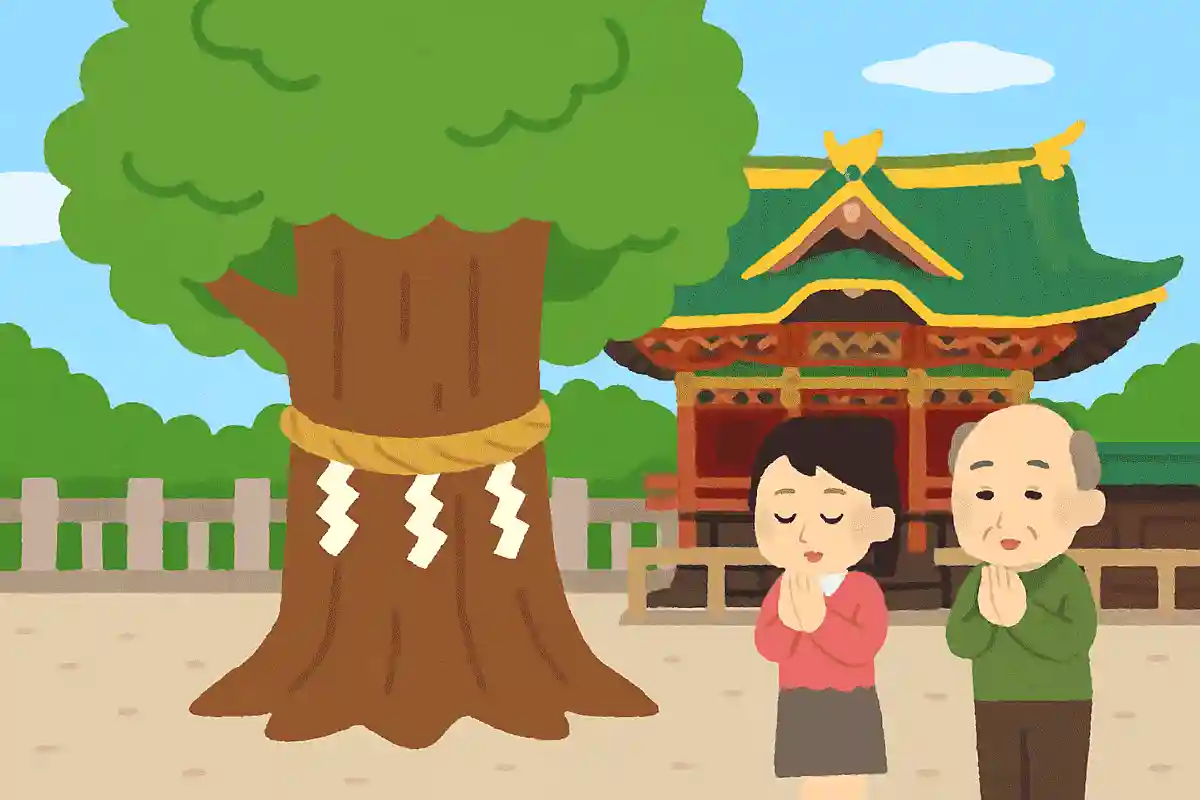
What is the name of the tree located in the Okumiya of Nikko Toshogu Shrine that is said to grant wishes when you pray?
- Kanosugi
- Wish Sakura
- Jōju Hinoki
See the answer
Kanosugi
The “Kanaesugi” (Wish-Granting Cedar) at the Okumiya of Nikkō Tōshōgū is regarded as a sacred tree said to make wishes come true. Many people visit, trusting in this tradition, and offer prayers for their wishes.
What is the reason that the twelve zodiac animals carved on the five-storied pagoda begin with the Tiger?

- Because Lord Ieyasu was born in the Year of the Tiger.
- Because the tiger direction corresponds to the front of Nikkō Tōshōgū.
- Because it is based on the feng shui concepts of the time when Tōshōgū was built.
See the answer
Because Lord Ieyasu was born in the Year of the Tiger.
The reason the Twelve Zodiac signs on the five-story pagoda at Nikkō Tōshōgū are carved starting from the Tiger is that Tokugawa Ieyasu was born in the Year of the Tiger. They began with the Tiger as a sign of respect for Ieyasu.
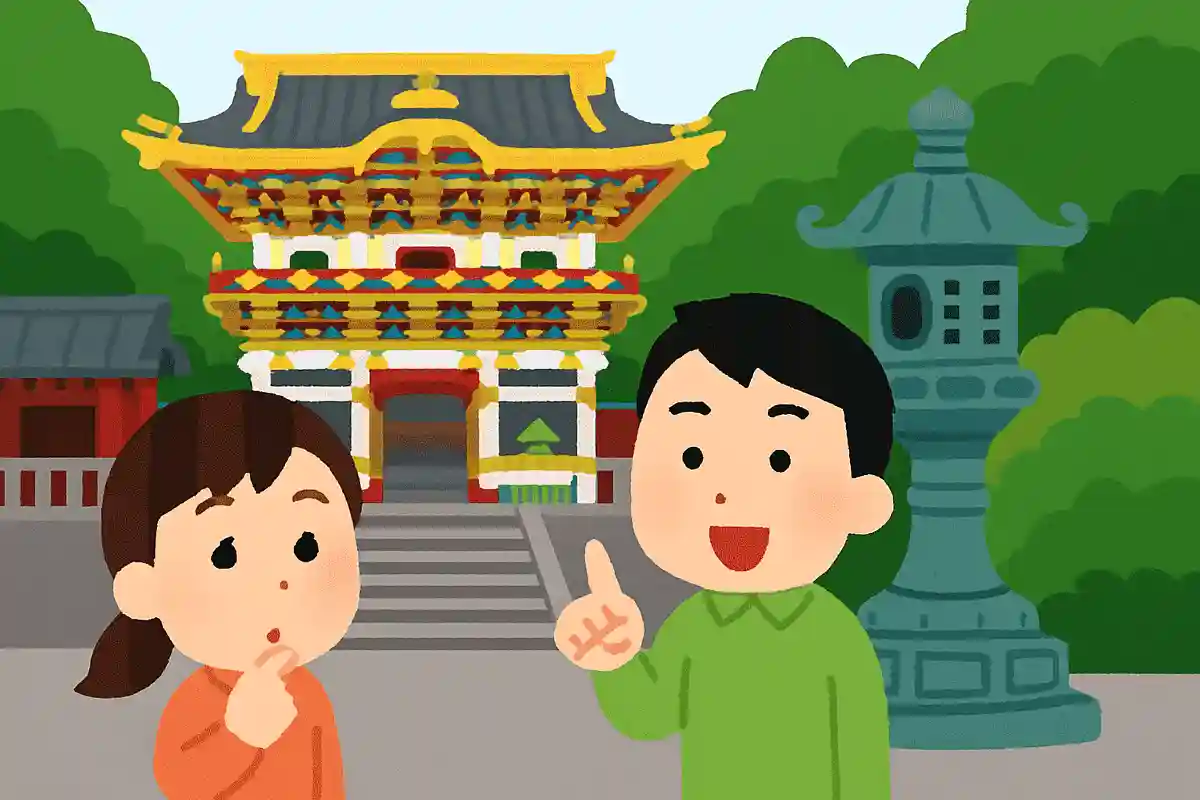
Which country dedicated the World Heritage “Rotating Lantern”?
- Netherlands
- China
- South Korea
See the answer
Netherlands
The Rotating Lantern at Nikkō Tōshōgū was dedicated from the Netherlands. As its name suggests, the lantern is designed to spin around using the power of the wind, and it has fascinated many people for a long time. It is believed to have been dedicated during the 17th century, when trade was conducted between Japan and the Netherlands.
World Heritage Japan is proud of! Take on a quiz to learn deeply about Nikko Toshogu Shrine! (11–20)
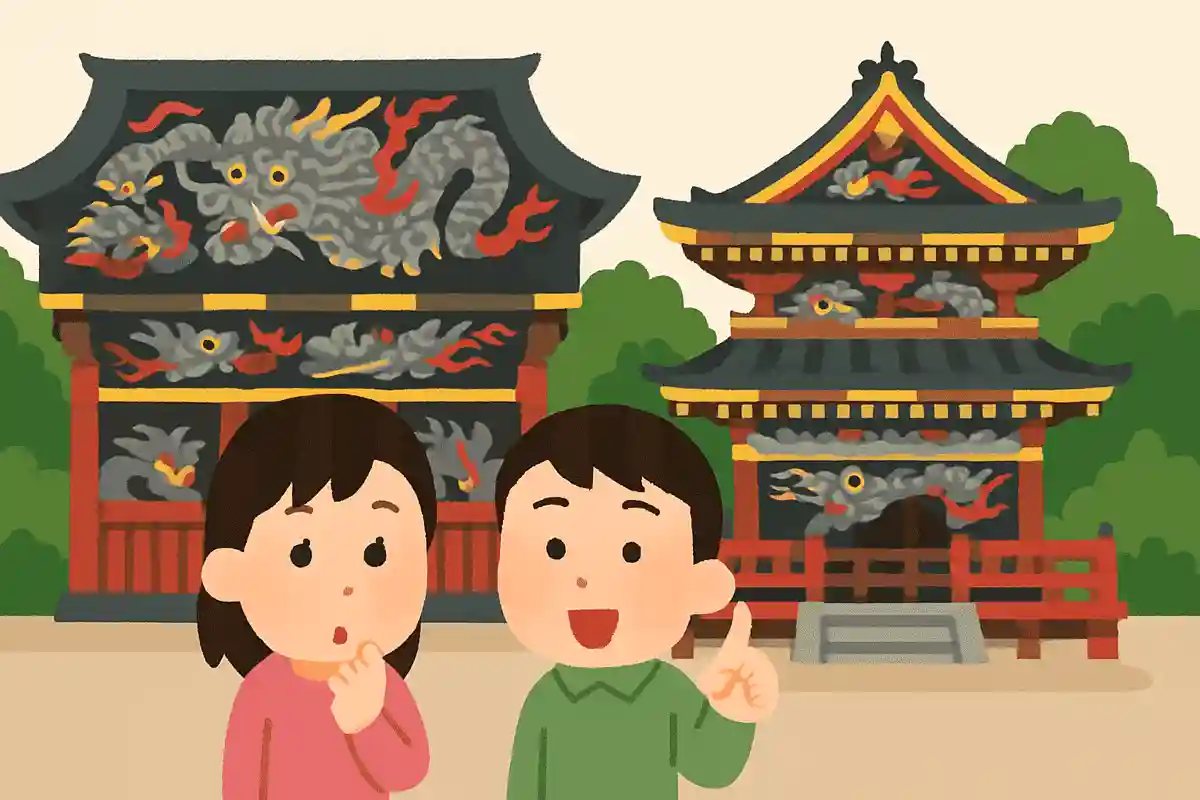
How many dragons are depicted on the worship hall and the main sanctuary?
- 42 animals (counter for large animals)
- 55 head
- 100 animals (counter: heads)
See the answer
100 animals (counter: heads)
In the Haiden and Honden of Nikkō Tōshōgū, as many as one hundred dragons are depicted, each with distinct expressions and forms, showcasing meticulous attention to detail. These dragons reveal different expressions depending on the viewing angle and the way light falls on them, endlessly captivating visitors.
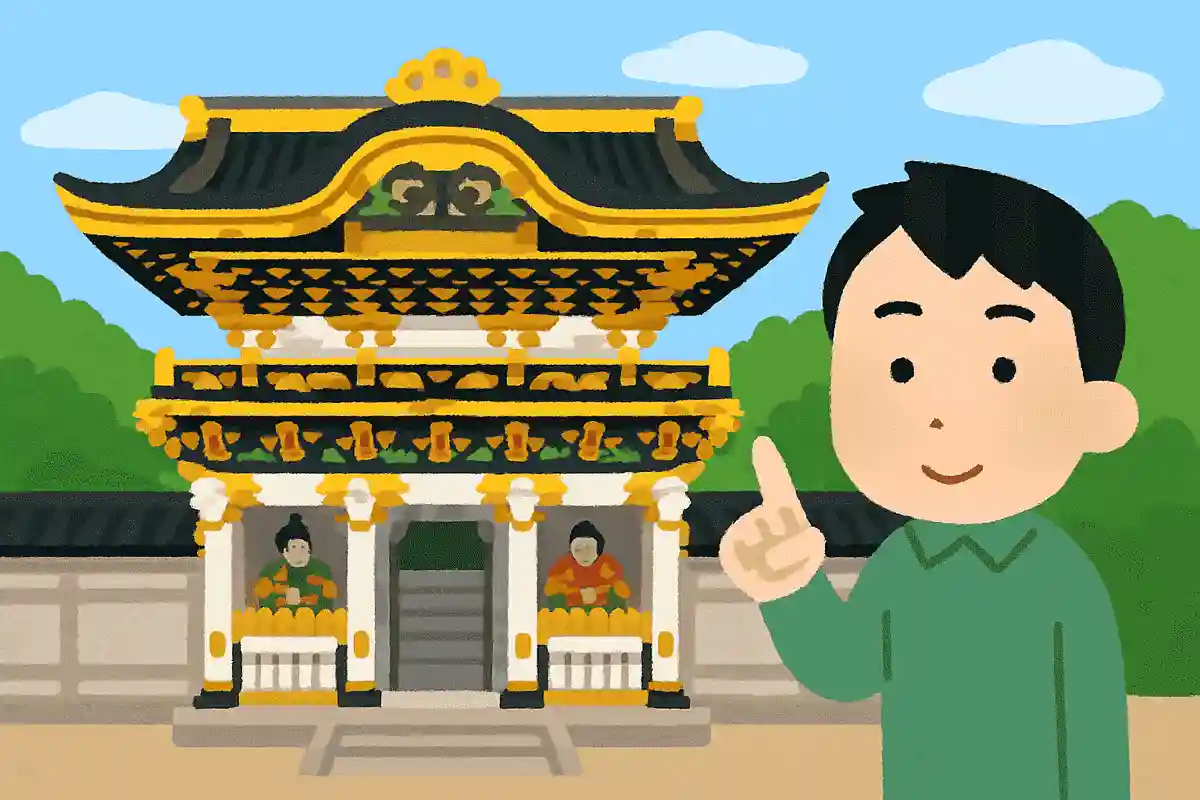
How many carvings are there at Nikkō Tōshōgū?
- about 1,000
- about 5,000
- about 10,000
See the answer
about 5,000
It is said that Nikkō Tōshōgū features approximately 5,000 carvings. Created in the early Edo period, these include some of Japan’s most famous sculptures, such as the Sleeping Cat and the Three Wise Monkeys. Their overwhelming number and exquisite attention to detail continue to captivate visitors to this day.
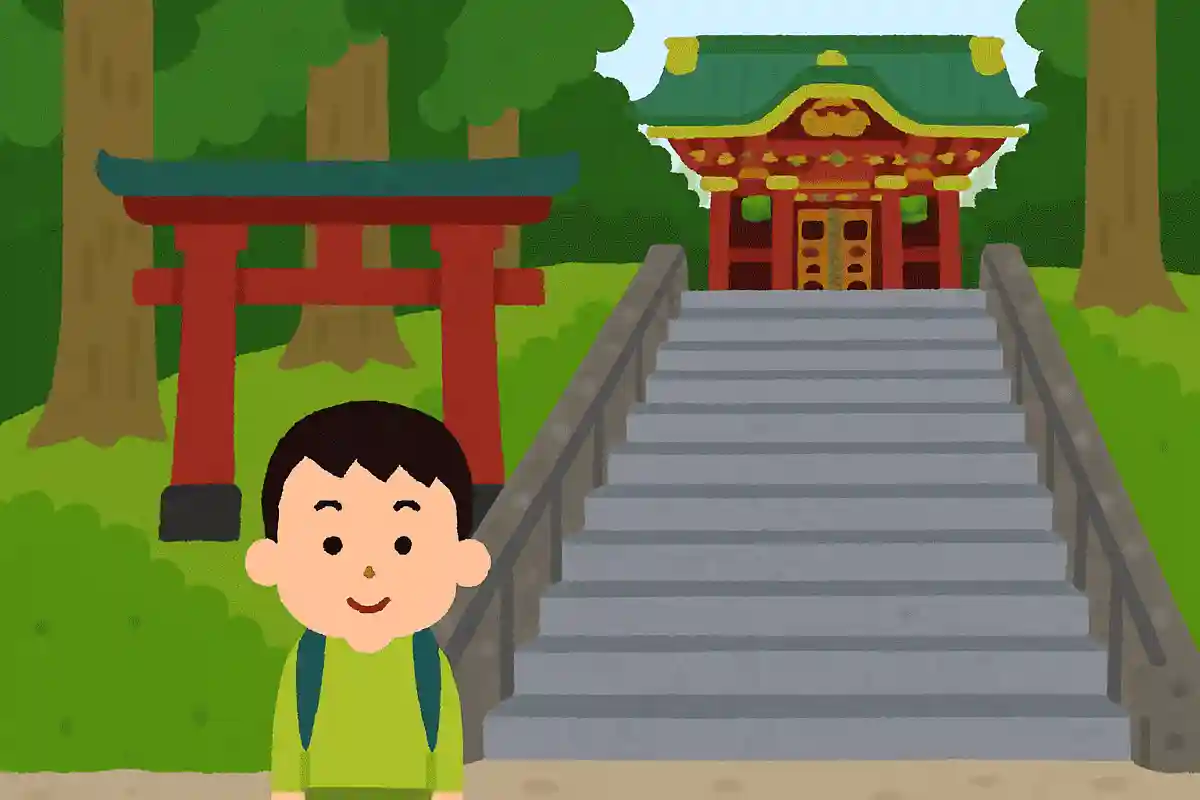
How many stone steps are there on the staircase that leads from the East Corridor to the Inner Shrine?
- 200 steps
- 207 steps
- 250 steps
See the answer
207 steps
There are a total of 207 stone steps leading from the East Corridor to the Inner Sanctuary. Each step has a different height and width, crafted to match the natural terrain, making the climb uniquely challenging. After ascending all 207 steps, you will arrive at the Inner Sanctuary.
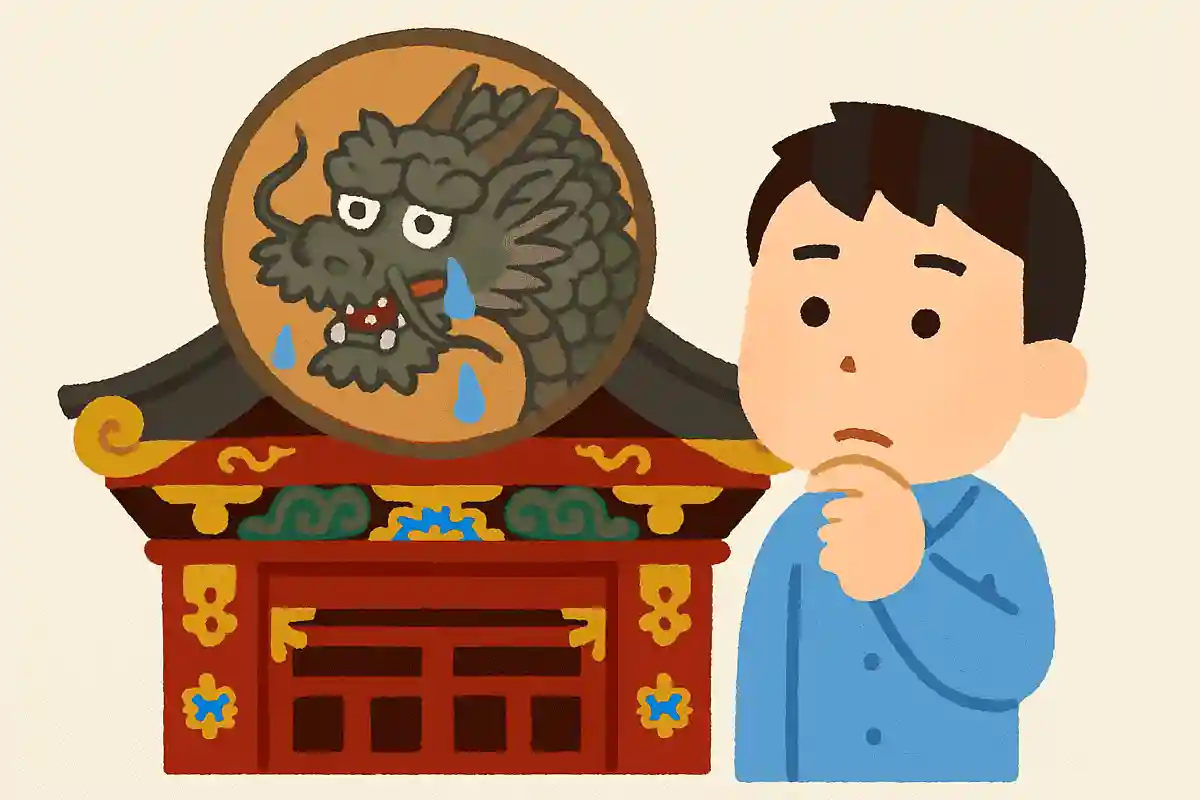
What are the characteristics of the carved “Crying Dragon” on the ceiling of the Yakushidō?
- If you make a sound, the dragon will start moving.
- On rainy days, tears flow from my eyes.
- If you strike wooden clappers in a specific place, it echoes.
See the answer
If you strike wooden clappers in a specific place, it echoes.
The ceiling carving of the “Crying Dragon” in the Yakushidō Hall at Nikkō Tōshōgū has a unique feature: when wooden clappers are struck at a specific spot, the sound echoes as if the dragon were crying. This occurs because the ceiling’s structure and the placement of the carving cause the sound waves to reflect in a particular pattern. The phenomenon amazes many visitors and is one of the highlights of the Yakushidō.