

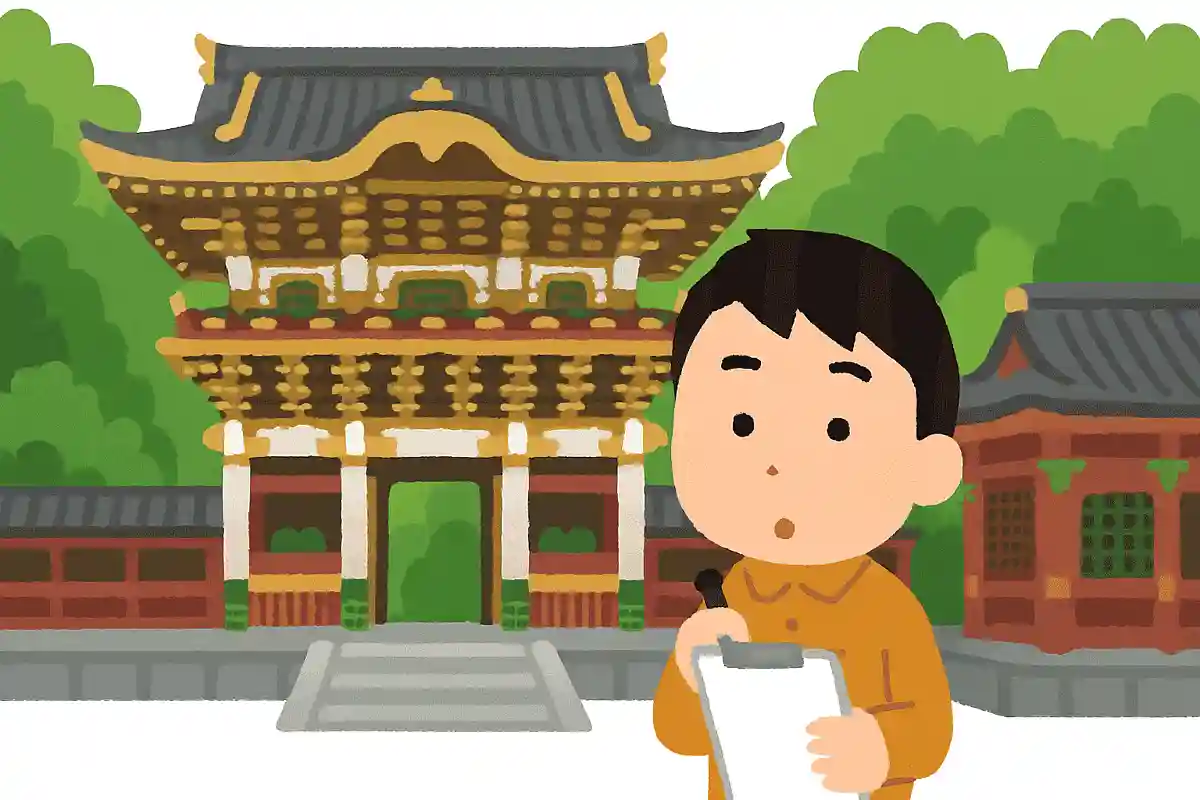
A world heritage site Japan is proud of! Take on a quiz to dive deep into Nikkō Tōshō-gū!

Toshogu Shrine in Nikko was inscribed as Japan’s 10th UNESCO World Heritage site in 1999.
It’s widely known that the shrine enshrines Tokugawa Ieyasu, the founder of the Edo shogunate, but fewer people may be familiar with the intentions and meanings embedded in its lavish carvings and architecture.
So this time, we’ve created a quiz that lets you learn fun trivia about Nikko Toshogu.
We’ve prepared tidbits that will make your visit many times more enjoyable if you know them beforehand, so we hope you have fun with it.
Japan’s proud World Heritage Site! Take on a quiz to learn all about Nikko Toshogu Shrine! (1–10)
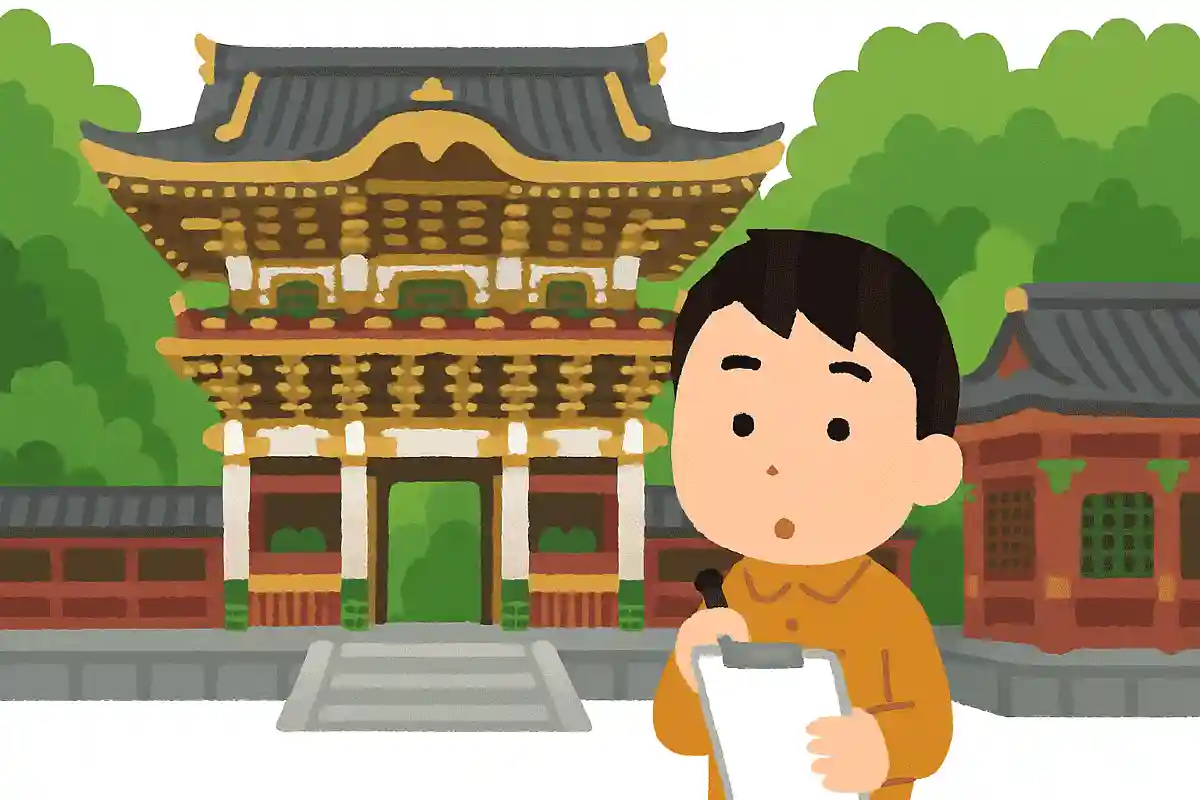
In which prefecture is Nikko Toshogu Shrine located?
- Tochigi Prefecture
- Shizuoka Prefecture
- Gifu Prefecture
See the answer
Tochigi Prefecture
Nikkō Tōshōgū is located in Nikkō City, Tochigi Prefecture. This shrine, dedicated to Tokugawa Ieyasu, is renowned for its carvings and architecture; famous features such as the Sleeping Cat and the Three Wise Monkeys attract many visitors.
How many Tōshō-gū shrines, dedicated to Tokugawa Ieyasu, are there besides the one in Nikkō?
- About three places
- about 13 locations
- about 130 locations
See the answer
about 130 locations
In fact, aside from Nikkō Tōshōgū, there are about 130 Tōshōgū shrines across Japan. Tokugawa Ieyasu was the first shogun of the Edo period, and after his death he was venerated, leading to the establishment of many Tōshōgū shrines in various regions. These enshrine Ieyasu as their deity and, alongside Nikkō Tōshōgū, serve as places that honor him.
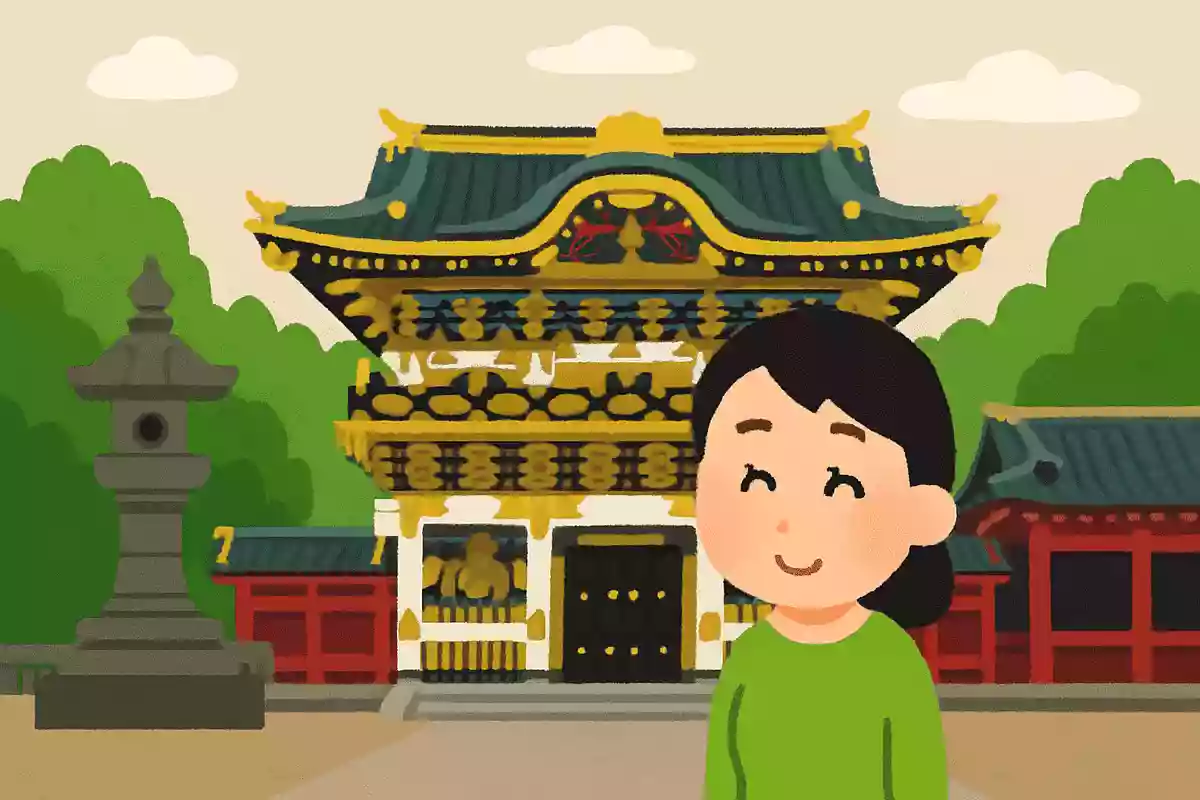
What is the origin of the name “Nikkō Tōshōgū”?
- It derives from Ieyasu’s childhood name.
- It is named after Ieyasu’s imina (personal name).
- It comes from the name that was posthumously bestowed on Ieyasu.
See the answer
It comes from the name that was posthumously bestowed on Ieyasu.
The “Tōshō” in Nikkō Tōshōgū derives from the posthumous deity title “Tōshō Daigongen” bestowed upon Tokugawa Ieyasu after his death. This posthumous name honors Ieyasu’s virtues and embodies the wish that his reign would continue eternally, just as the sun always rises in the east. Tōshō Daigongen means a great gongen (incarnation of a deity) who shines brightly like the sun.
Where can the Three Wise Monkeys carvings be found in Nikkō Tōshō-gū?
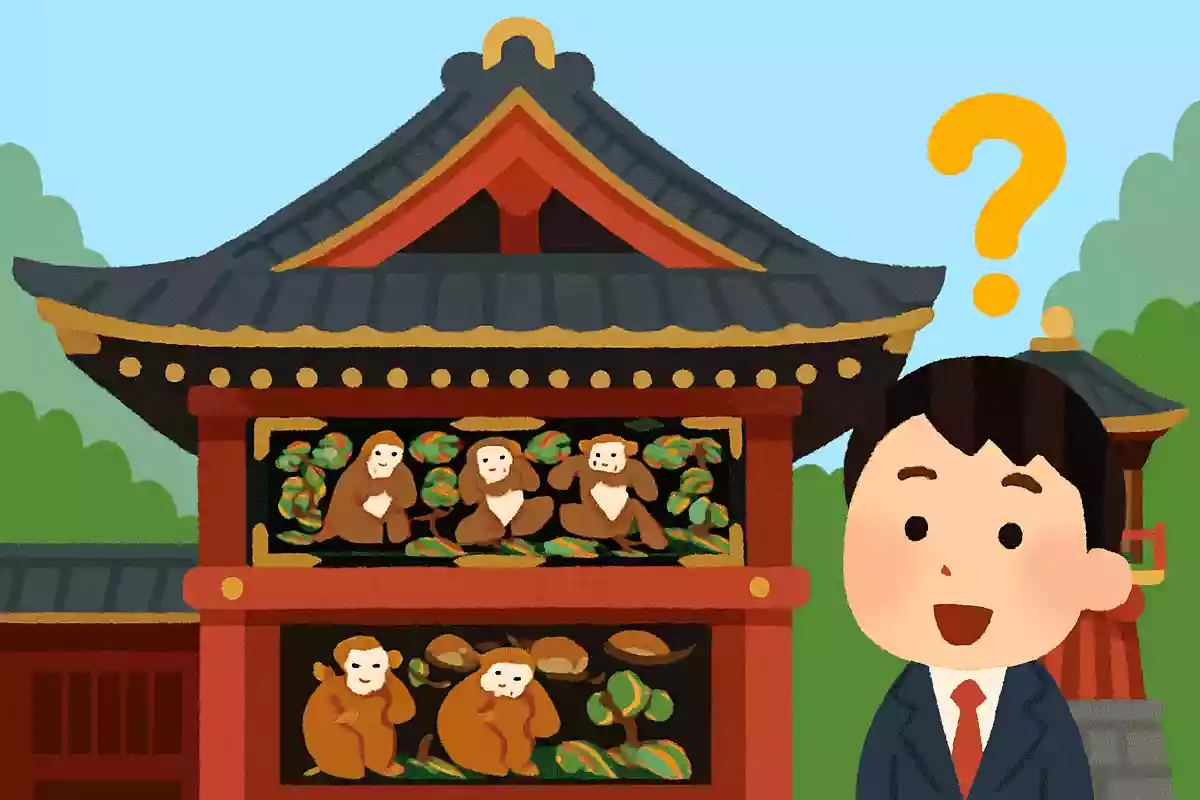
- main sanctuary (of a Shinto shrine)
- Yōmeimon Gate
- Divine Stables
See the answer
Divine Stables
The carving of the Three Wise Monkeys at Nikkō Tōshōgū is part of the decorations on the Shinkyūsha (Sacred Stable). This carving is intended to convey the three maxims “see no evil, speak no evil, hear no evil,” symbolizing the idea of not seeing, not speaking, and not hearing evil.
Why are the carvings on the Upper God Storehouse called “imaginary elephants”?
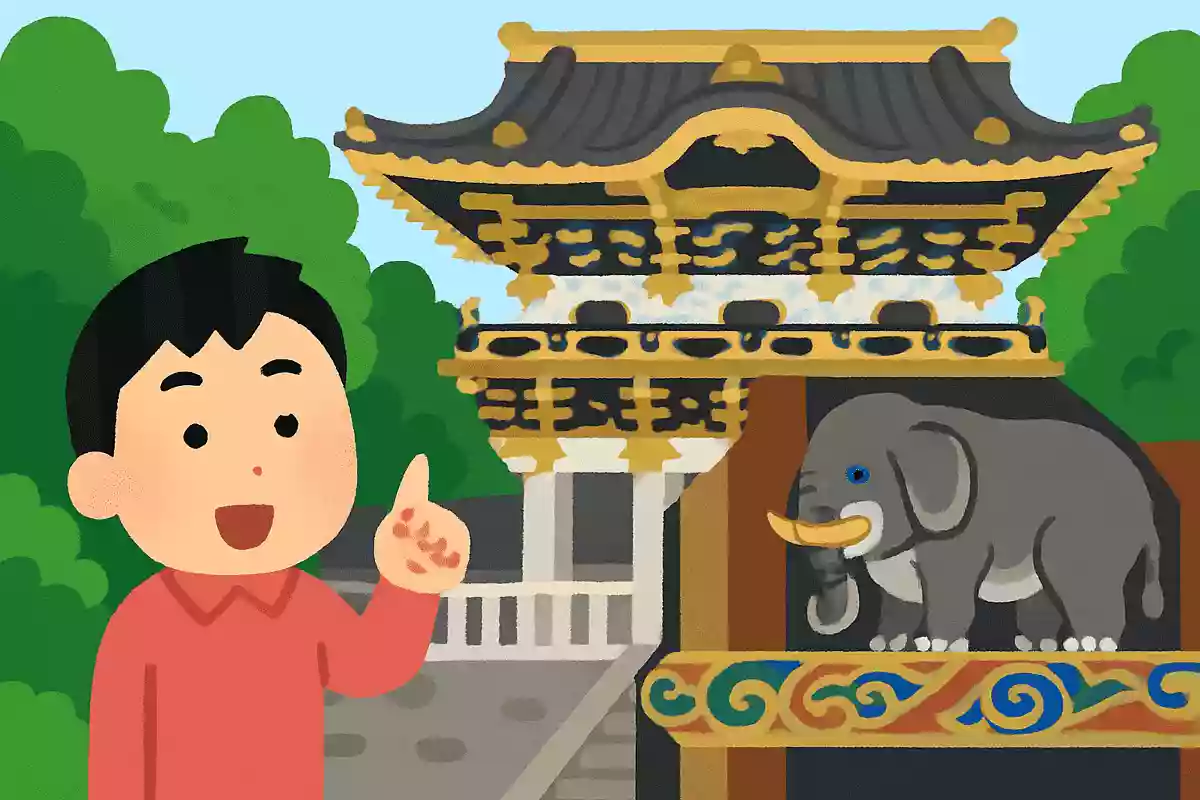
- Because it is an elephant with a form that does not actually exist
- From the fact that a carved elephant appears in a dream
- Because it was created based on the visions the sculptor saw
See the answer
Because it is an elephant with a form that does not actually exist
The “Imagined Elephant” at the Upper Sacred Storehouse of Nikko Toshogu is said to have been carved by an artisan who had never seen a real elephant, relying solely on imagination. Because the sculpture has features that differ from an actual elephant, it is called the “Imagined Elephant.” With small ears and body proportions unlike those of real elephants, it is known as a work that embodies the Japanese conception of elephants.
Why is the Yomeimon Gate also known by the nickname “Higurashi-mon” (the ‘all-day gate’)?
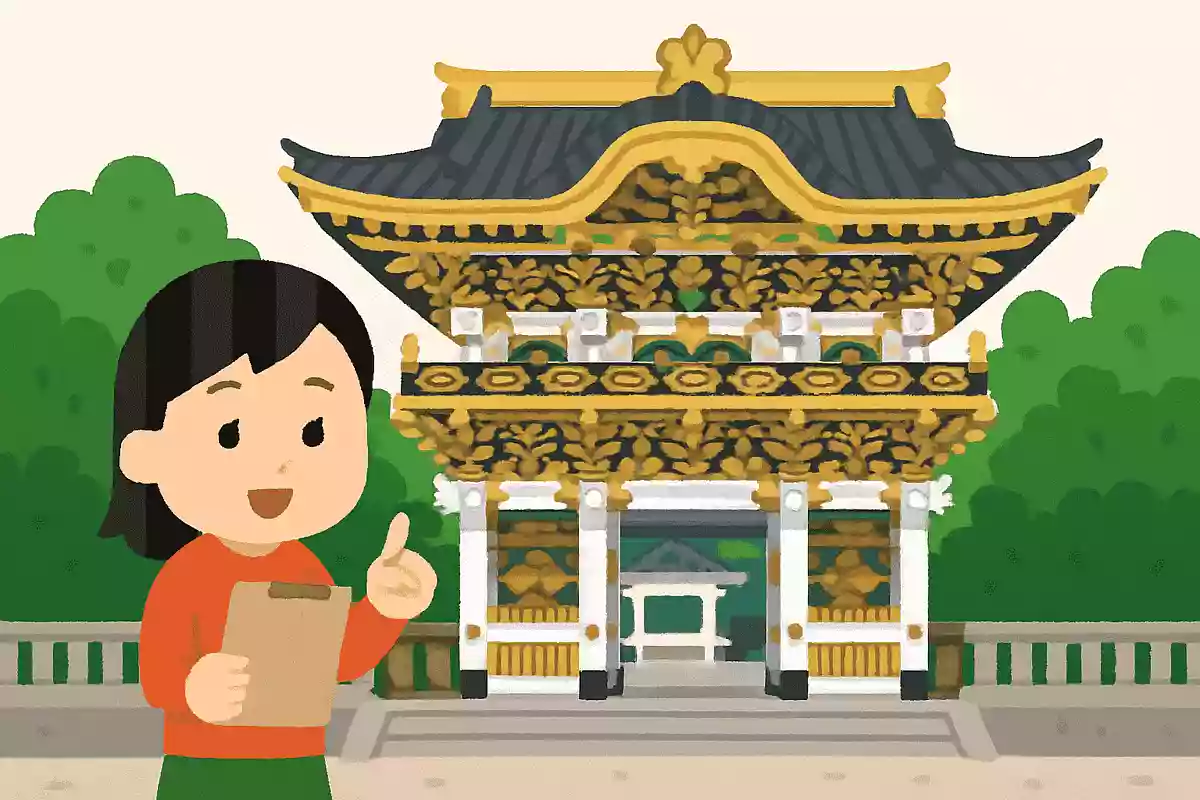
- Because if you keep staring in front of the gate, the sun will set.
- Because the structure makes it difficult for sunlight to reach the gate.
- Because the setting sun beautifully illuminates the gate.
See the answer
Because if you keep staring in front of the gate, the sun will set.
Yomeimon Gate at Nikko Toshogu Shrine is adorned with extremely elaborate and abundant carvings, and because people become so absorbed in looking at it that they don’t notice the day has turned to dusk, it has earned the nickname “Higurashi-mon,” or “the gate you spend the whole day at.”
What is the meaning of the sparrow carving on the reverse side of the famous Sleeping Cat in the East Corridor?
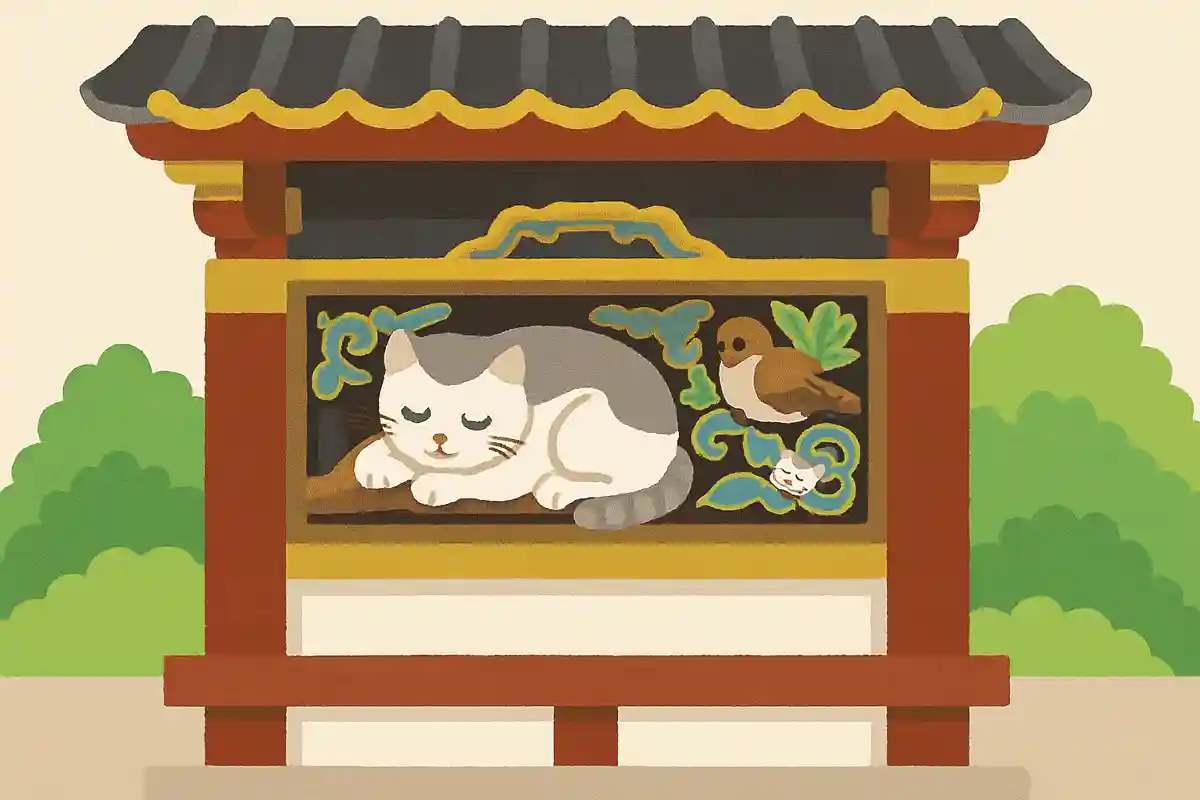
- A symbol of peace where cats and sparrows coexist
- Depicting a sparrow that appears in a cat’s dream
- Even the sparrow was intricately carved to compete in the artisans’ craft.
See the answer
A symbol of peace where cats and sparrows coexist
The sculpture of the sleeping cat is not actually shown with its eyes closed, indicating that it is ready to wake at any moment and catch a sparrow. However, because the sparrow appears at ease in its presence, the piece is said to symbolize peace through the coexistence of the cat and the sparrow. The sculpture is thought to embody a wish for an ideal world in which all living beings coexist without conflict.