

Breakup songs recommended for people in their 90s: a collection of timeless tracks that comfort the heart

In this article, I’ll introduce recommended breakup songs from around the 1950s to 1960s—music that should feel familiar to people in their 90s.
Even among the songs of that era, there are many that depict bittersweet feelings of love, resonating with the hearts of young people at the time.
If you’re reading this, please consider recommending the songs below to a 90-something loved one.
I’d be delighted if they spark memories of the past and encourage stories from their youthful days.
Now, let’s dive right into the recommended tracks!
- Breakup songs recommended for people in their 80s: a collection of classic tracks that capture heartbreaking feelings
- Recommended love songs for people in their 90s: A collection of classic Shōwa-era romance songs
- Tear-jerking songs recommended for men in their 90s: a collection of moving masterpieces
- A collection of moving, tear-jerking songs recommended for women in their 90s—heartfelt tunes that resonate with the soul.
- [For Seniors] Recommended spring songs for people in their 90s: A collection of Shōwa-era spring tunes
- Recommended cheer songs for people in their 90s: a collection of timeless tracks that support life
- [Karaoke] Recommended Songs for Men in Their 80s: A Collection of Showa-Era Classics You’ll Want to Belt Out
- Recommended heartbreak songs for women in their 70s. A collection of classic Showa-era breakup masterpieces.
- Recommended heartbreak songs for men in their 70s: A collection of poignant, nostalgic classics
- [Recommended for people in their 70s] Classic nostalgic hits: A collection of youth songs
- Recommended love songs for people in their 80s: A collection of classic love songs that colored the Showa era
- Recommended love songs for women in their 70s: A collection of nostalgic love songs
- Recommended love songs for men in their 70s: A collection of nostalgic love songs
Recommended heartbreak songs for people in their 90s: A collection of comforting classics (21–30)
You, my beloved.Itō Hisao

As one of the quintessential masterpieces of Showa-era kayōkyoku, there is a gem of a ballad that expresses Hisao Itō’s sweet yet heartrending feelings of love.
Composed by Yuji Koseki with lyrics by Kazuo Kikuta, this piece beautifully blends a gently expressive melody with a rich baritone voice.
Released by Nippon Columbia in September 1953, it also drew attention as the theme song for the film “Kimi no Na wa,” which premiered the same year.
The story and the music melded together perfectly, moving the hearts of people at the time.
Please enjoy this timeless classic at a relaxed pace, letting it resonate alongside fond memories.
It’s also lovely to listen together with older listeners and let conversations blossom about youthful days.
Waltz of StarlightSen Masao

Released in 1966 (Showa 41).
Two years later, it gradually caught fire on wired broadcasts across Japan and went on to sell a total of 2.5 million copies.
Known as Masao Sen’s biggest hit, “Hoshikage no Waltz” (“Waltz of Starlight”) expresses, from a male perspective, the poignant feeling of having to part with a loved one—knowing it’s not what the heart truly wants, yet having no choice.
Its relaxed three-beat waltz rhythm makes it easy to sing, and combined with its popularity, it’s a song that many people can enjoy when doing karaoke in senior care facilities.

The Camellia Sasanqua InnŌkawa Eisaku

Allow me to introduce a masterpiece of enka that portrays a bittersweet love kept secret in the heart.
EISAKU OKAWA’s single, released in August 1982, is a moving work that overlays his feelings onto the camellia blooming in winter.
The lyrics by Osamu Yoshioka and the melody by Shosuke Ichikawa blend beautifully, delicately expressing the emotions of a man swayed by an unattainable love.
Four months after its release, the song entered the Oricon Top 10 for the first time and became one of Okawa’s signature pieces.
It sold a total of 1.8 million copies and won the Long Seller Award at the 25th Japan Record Awards in 1983, also marking his first appearance on NHK’s Kōhaku Uta Gassen.
Its evocative imagery that overlaps with Japan’s beautiful winter scenery, and a voice that holds both ache and warmth, make it a perfect choice for karaoke duets or for humming along while sharing fond memories.
I won’t fall in love anymore.Makihara Noriyuki
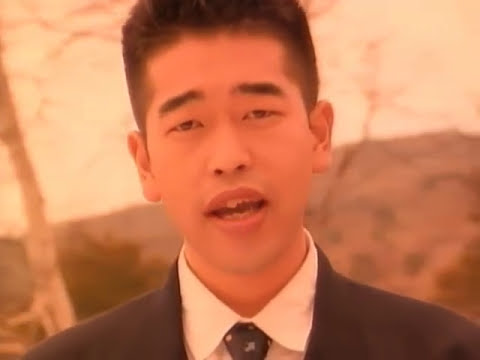
A gem-like ballad that delicately portrays the pain of heartbreak and the hope of taking a new step forward.
Noriyuki Makihara’s gentle vocals tenderly envelop the protagonist’s complex feelings as they struggle to accept a breakup with their lover.
While carefully depicting the loneliness and confusion felt in everyday life, it also resonates with the positive resolve hidden behind the words “I won’t fall in love anymore.” Released in May 1992, the song was used as the theme for the drama “After the Children Are Asleep,” reaching No.
2 on the weekly Oricon chart and No.
7 for the year.
It’s a song that stands as emotional support, accompanying you through the healing process of a broken heart.
a red handkerchiefIshihara Yūjirō

Set against the backdrop of a northern spring, this song tells the story of a bittersweet farewell in love.
Carried by a gentle, lyrical melody, Yujiro Ishihara’s rich vocals vividly portray the lingering feelings of heartbreak.
Released by Teichiku Records in October 1962, the track is also included on the album “Yujiro Ishihara Original 6.” In January 1964, it was used as the theme song for a film of the same name starring Ishihara, captivating the hearts of many alongside the movie.
Even today, it remains a beloved classic that everyone can hum along to and is very popular at karaoke.
With its heartfelt lyrics and approachable melody, it’s the perfect song for singing together and having fun.
In conclusion
We’ve rounded up a selection of breakup songs, focusing mainly on tracks from around the 1950s to 1960s that are likely familiar to people in their 90s. I’m sure you found some tunes that ring a bell. Please listen to the songs introduced in this article together with the 90-somethings around you and use them as a chance to look back on those days.