
From J-pop to folk songs! Popular and classic Okinawan tunes

For those of you looking for songs from Okinawa, this article introduces a wide variety of music related to the islands.
We’ve picked out everything from J-pop themed around Okinawa and Okinawan pops to traditional folk songs that have been passed down for generations.
Okinawan music is so captivating, isn’t it? From instruments like the sanshin and other traditional Japanese instruments to its distinctive vocal style—and that unmistakably Okinawan vibe!
Getting a bit musical here, but Okinawan music often uses a five-note scale known as the Ryukyu scale or the yo-nuki scale, built on the notes do–mi–fa–so–ti–do.
That very resonance of the Ryukyu scale is the secret behind the uniquely Okinawan atmosphere you feel in these songs!
Listen to the tracks we’re about to introduce and soak in the spirit of Okinawa.
- [Traditional Performing Arts of Okinawa] A special feature on classic Eisa songs that make you want to dance
- Popular Okinawan Songs Ranking [2026]
- Okinawan folk songs, children’s songs, and nursery rhymes: the heart of our hometown passed down through song.
- A classic song in the Okinawan dialect, Uchinaaguchi
- [Tearjerker] Songs that make your heart tremble with tears & moving tracks with lyrics that touch the soul
- Popular Okinawan Songs: Artist Rankings [2026]
- [Special Feature on the Yo-na-nuki Scale] Hit Songs and Classics That Evoke Nostalgia and a Sense of Wa (Japanese Aesthetics)
- [Touching the Heart] Timeless Ballad Masterpieces. A Collection of Unfading Classics and the Latest Songs [2026]
- [Ryukyuan Music] Folk and Classical Music of the Ryukyu Islands
- Gen Z listeners, take note! Great songs that color the J-pop scene
- Top Songs to Hype Up Sports Day and Athletic Festivals [2026]
- [Classic and Contemporary Hits] Emotionally Stirring, Heart-Touching Songs
- [A Cheer for Myself] A pep song dedicated to you who are doing your very best
Okinawan Songs / Okinawa Songs (61–70)
Okinawa Sunshine DayBEGIN

It’s an irresistibly cheerful summer tune that conjures up piercing blue skies and a pleasant sea breeze.
The buoyant rhythm that fuses ska and reggae naturally gets your body moving just by listening.
The track was inspired by guitarist Masaru Shimabukuro—who wrote both lyrics and music—after seeing his friends having a great time back in his hometown.
The lyrics convey the liberating feeling of driving under a cloudless sky and the positive vibe of surrendering to island rhythms and forgetting your worries.
Featured on Taiyo, the band’s first album in seven years set for release in July 2025, the song captures the warm, live energy of being recorded in one take on Ishigaki Island.
Perfect for summer drives, it also makes the ideal BGM whenever you want a quick mood refresh.
Basho-fu (traditional Okinawan banana-fiber cloth)Ishimine Satoko

This is a representative folk song of Okinawa.
Satoko Ishimine, who became famous for “Hana,” has a beautifully clear, resonant voice that is incredibly soothing.
The lyrics capture the scenery of Okinawa, making it a song that truly embodies the region.
It doesn’t use much dialect either, so it’s easy to listen to even for people from outside the prefecture.
ultramarinekariyushi 58

This song, with an intro that instantly makes you want to sing along, is a track from the 2022 album “Nanairo Tokage.” It’s a rock tune featuring a strikingly distorted, crisp guitar sound, making it incredibly pleasant to listen to.
As evidenced by the fact that its music video was released on June 23, 2022—Okinawa Memorial Day—the song carries a message that reflects on Okinawa’s past and entrusts hope to the future by accepting it.
Coming from artists who hail from Okinawa, this heartfelt wish for peace and happiness resonates with even greater conviction.

Be Nankuru-kunBEGIN
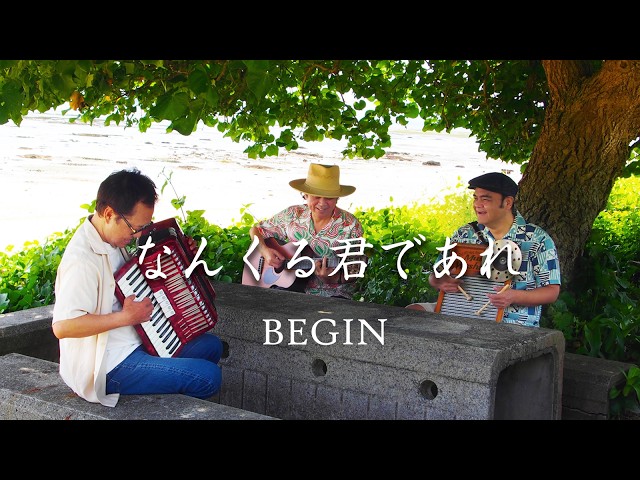
BEGIN captivates with a warm yet powerful sound that only three musicians from Ishigaki Island, Okinawa could create.
This piece, which closes their first masterful album in seven years, Taiyo (The Sun), is a song that deeply evokes the spirit of the island songs at their roots.
The Okinawan phrase “nankuru nai sa,” which carries the profound meaning, “If you keep doing the right thing without losing heart, a good day will come,” resonates gently through the melody.
Even as we are buffeted by the waves of life and bear the sorrow of losing what we hold dear, these lyrics softly encourage us to keep facing forward, warming the heart as they do.
When your heart feels a little tired, why not let yourself be wrapped in the kindness this song offers?
Flower CityIkuma Akira

A powerful work that weaves a moving sound by fusing Okinawan traditional music with rock and pop.
The soulful vocals praising the preciousness of the Earth and life, the strong rhythms of the drums, and the beautiful melodies of the sanshin are in perfect harmony.
Singing of the importance of local culture and bonds, this piece features approachable arrangements of Okinawan performing arts and fully conveys the appeal of new music born from the interplay of tradition and innovation.
It’s perfect for performing Eisa at a school sports festival, and is a must-listen for anyone interested in traditional performing arts or dance.
Dynamic RyukyuIkuma Akira

Akira Ikuma is a singer-songwriter from Fukuoka.
His song “Dynamic Ryukyu” was released in 2008 as a single in the unusual format of an Okinawa-only release.
With Okinawan calls like “Ii-yā sā sā” and the sound of drums evoking a distinctly folk-music atmosphere, it’s also uniquely punctuated by an electric guitar solo.
Its avant-garde sound makes you want to start dancing as you listen—truly a perfect track for Eisa.

Hana nu Chura ShimaTokeiji Tsutomu

A song that warmly celebrates Okinawa’s beautiful nature and culture, resonating with the comforting tones of the sanshin and an upbeat rhythm.
It is a signature work by Tsutomu Tokeshi that superbly fuses traditional Okinawan music with pop, and it is included on the album “Okinawa no Kaze,” released in June 2005.
The track was also chosen as the official campaign song of the Okinawa Convention & Visitors Bureau and has been used in local TV commercials and radio programs, making it highly well-known in Okinawa.
Its gentle mood and powerful beat further illuminate the image of children dancing together in unison.