

From Showa-era kayōkyoku to J-POP! A nostalgia-packed roundup of karaoke crowd-pleasers

Timeless classics are passed down and sung across generations, aren’t they?
From grand ballads to upbeat numbers that feel like a fresh breeze.
Still, when it comes to songs loved by every generation—those that nearly everyone, young and old, knows—surprisingly few come to mind, don’t they?
So! We’ve gathered a collection of nostalgic yet never-fading masterpieces, focusing on Showa-era kayōkyoku and up through mid-’90s J-POP!
There are lots of songs you can enjoy together at karaoke despite any generation gap, so be sure to check them out!
- [For men in their 40s] That nostalgic song you can enjoy at karaoke!
- A collection of nostalgic hits from the ’70s to 2000s that are perfect for livening up karaoke
- Recommended for women in their 50s! A curated selection of classic and popular karaoke hits that will get the crowd going
- Songs everyone knows across generations. A roundup of karaoke tracks anyone can sing, regardless of age.
- When you can’t decide what to sing at karaoke: Easy-to-sing classic hits from the Showa era
- [For People in Their 60s] Karaoke Songs That Get the Crowd Going: Ranking [2026]
- [2026] Japanese karaoke songs that get men in their 50s pumped up
- [Songs from the Showa Era] Introducing classic tracks that are easy to sing at karaoke.
- A lineup of classic hits! Karaoke songs recommended for the yutori generation
- Old songs from the Showa to Heisei eras: a collection of timeless classics loved across generations
- Evokes the charm of the good old days. Showa-era inspirational songs that are still loved today.
- Perfect for karaoke song choices too! Hype tracks recommended for Gen Z.
- [2026] Crowd-Pleasing Songs Recommended for People in Their 50s: A Collection of Nostalgic Classics
From Showa-era kayōkyoku to J-POP! A collection of nostalgic hits that light up karaoke (41–50)
You’re Kiwi, Papaya, and Mango, aren’t you?Nakahara Meiko

For those who spent their youth around the time this song became a hit, it’s surely a deeply nostalgic track that could be called a true monument of Showa-era pop.
When I first heard the title “Kimitachi Kiwi Papaya Mango dane,” I remember thinking, “What kind of song title is that??” Apparently, the name was specified by an advertising agency.
The lyrics were written by the singer herself, Meiko Nakahara, together with the songwriting master Yukinojo Mori.
The embedded video is a cover version included on Ai Furihata’s first cover mini-album, “Memories of Romance in Summer.” It sounds fun to compare it with the original, doesn’t it?
Between the Sky and YouNakajima Miyuki

Singer-songwriter Miyuki Nakajima holds the remarkable record of topping the singles chart across four decades, from the 1970s through the 2000s.
Her 31st single, Between the Sky and You, released as a double A-side with Fight!, became a million-selling hit as the theme song for the TV drama A Homeless Kid, which sparked a major social phenomenon.
The sentimental lyrics, woven through her trademark powerful vocals, instantly bring scenes from the drama to mind as you listen.
It’s an emotional number that’s sure to draw attention at karaoke, especially with people from that generation.

The Day Love Was BornFujitani Miwako, Ouchi Yoshiaki

A Day When Love Was Born was released as a duet by Miwako Fujitani and Yoshiaki Ouchi.
Featured as an insert song in the TV drama To You Who Will Marry Someday, it became a million-selling, smash-hit single.
Many people of that generation may have sung it as a karaoke duet.
With lyrics that evocatively portray a mature, bittersweet romance, it’s a ballad we’d love to see younger listeners sing as well.
Love Story Comes SuddenlyOda Kazumasa
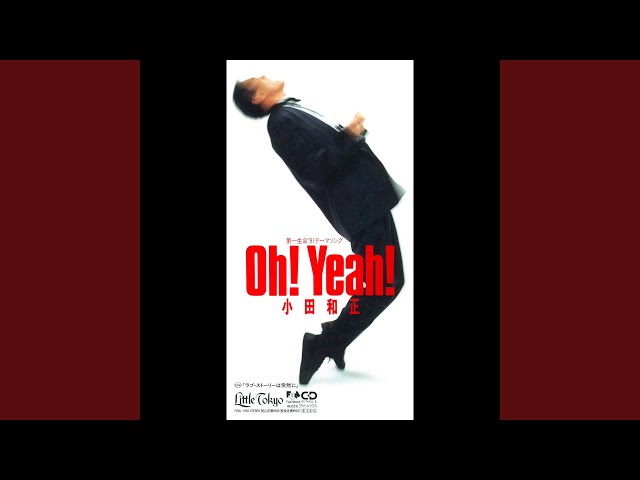
Singer-songwriter Kazumasa Oda, who rose to popularity with his high-toned voice tinged with transience and his playful character, continues to be highly active today.
“Love Story wa Totsuzen ni,” written as the theme song for the quintessential trendy drama Tokyo Love Story, was originally included as the B-side to his sixth single, “Oh! Yeah!” Its airy, urban arrangement still feels timeless even now.
It’s a pop tune whose massive success makes perfect sense—the opening guitar alone brings back iconic scenes from the drama.
240 Million Eyes – Exotic JapanGō Hiromi

Hiromi Go’s classic “240 Million Eyes – Exotic Japan,” which frequently appears on variety shows and the like, was an exceptionally original piece for its time.
Its arrangement features a song structure that hints at kayōkyoku within J-pop.
Partly due to those kayōkyoku elements, the song is confined to a fairly narrow range of mid1D to mid2F.
Regardless of gender, it should be singable without issue if you choose an appropriate key.
Like on that certain TV show, performing it with parody lyrics can make it even more exciting, so keep that in mind as you check it out.
