

[2026] A roundup of popular theme and opening songs from TV period dramas
An important genre in the history of Japanese film and television drama is the jidaigeki period drama.
Originally developed in cinema, jidaigeki later declined as a boom, but it went on to find a new home on television and has continued to produce many classics.
Many actors became popular stars through jidaigeki, and unforgettable theme tunes and songs are also indispensable when talking about the genre.
This article presents a roundup of representative jidaigeki theme music and theme songs.
It also includes dramas produced from the 2000s onward, so it’s something viewers of all generations can enjoy!
Playlist
| [2026] A roundup of popular theme and opening songs from TV period dramas | |||
|---|---|---|---|
| show_chart | Title | Playlist | Review |
| 1east | Beloved DaysHoriuchi Takao |  play_arrow play_arrow | The Byakkotai theme song moves people across time |
| 2east | Last Samurai StandingŌmama Kō |  play_arrow play_arrow | The overwhelming soundtrack music of Netflix’s “Ixagami” |
| 3east | Toyotomi brothers!Kimura Hideaki |  play_arrow play_arrow | The Hot Anthem of the Toyotomi Brothers’ Quest for Unifying the Realm |
| 4east | Theme of the Oedo Detective NetworkTAMAKI Hiroki |  play_arrow play_arrow | The theme song of Ōedo Sōsamo: the allure of irregular time signatures |
| 5east | Ah, there are tears in life.Satomi Kôtarô, Yokouchi Masashi |  play_arrow play_arrow | The famous song from Mito Komon, singing of life's hopes |
| 6east | draft (cold air seeping through gaps)Sugi Ryōtarō |  play_arrow play_arrow | Theme song of 'Tōyama no Kin-san', a masterpiece by Ryōtarō Sugi |
| 7east | Lone Wolf and CubHashi to Wakakusa Jidou Gasshoudan |  play_arrow play_arrow | A classic song that portrays the bond and bittersweetness of parent and child through raindrops |
| 8east | Eve FestivalSatomi Kotarō |  play_arrow play_arrow | An evocative masterpiece that portrays a festival night |
| 9east | Man of FireKitajima Saburō |  play_arrow play_arrow | Saburō Kitajima’s period drama theme song, singing of courage and resolve |
| 10east | Someday, the day of loveMitsui Yumiko |  play_arrow play_arrow | Yumiko Mitsui, a disciple of Masaaki Hirao; ending theme of a period drama |
| 11east | Spinning Wheel of MemoriesMitamura Kunihiko |  play_arrow play_arrow | The iconic ending theme song of Hissatsu Shigotonin |
| 12east | daylilyNakaijō Kiyoshi |  play_arrow play_arrow | Introducing the classic song “Wasuregusa” from Hissatsu Shigotonin III |
| 13east | A Man’s YearsSatomi Kotarō |  play_arrow play_arrow | Kotaro Satomi's period drama theme song 'Otoko no Saigetsu' |
| 14east | Flower in the mirror, moon on the waterThe SHIGOTONIN |  play_arrow play_arrow | The theme song of Shigotonin 2009, a melancholic masterpiece |
| 15east | Theme of the Unruly ShogunKikuchi Shunsuke |  play_arrow play_arrow | The heroic theme song of 'Abarenbō Shōgun' |
| 16east | Smile at meSatomi Kotarō |  play_arrow play_arrow | The theme song of 'Choshichiro Edo Nikki' starring Kotaro Satomi |
| 17east | In a dreamKobayashi Akira |  play_arrow play_arrow | A theme song that conveys emotion with a deep, mellow singing voice |
| 18east | Taiheiki Main ThemeSaegusa Shigeaki |  play_arrow play_arrow | Theme song of Taiheiki, Shigeaki Saegusa’s moving melody |
| 19east | Opening ThemeTsushima Toshiaki |  play_arrow play_arrow | Onihei opening: a masterpiece that’s heavy and brimming with tension |
| 20east | in the flower of (one’s) youthMatsukata Hiroki |  play_arrow play_arrow | Theme song of Tōyama no Kin-san, sung by Hiroki Matsukata. |
| 21east | Love MandalaUmezawa Fumio |  play_arrow play_arrow | Umezawa Tomio’s “Koi Mandala” is striking. |
| 22east | Ōoka Echizen Main ThemeYamashita Takeo |  play_arrow play_arrow | The opening theme of Ooka Echizen has a memorable whistling. |
| 23east | Zenigata HeijiKitaōji Kin’ya | 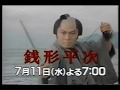 play_arrow play_arrow | The theme song of Heiji Zenigata, a heartwarming performance by Kinya Kitaoji |
| 24east | wishSaigō Teruhiko |  play_arrow play_arrow | A wistful theme song colors the heart of the period drama. |
| 25east | Onihei Crime RecordsKinoshita Tadashi |  play_arrow play_arrow | Onihei Hankachō, a classic theme from a masterpiece period drama |
| 26east | Hattori Hanzō: Shadow Warriors Main ThemesupeKUTORAMU |  play_arrow play_arrow | SPECTRUM’s Hattori Hanzō theme song, a track brimming with a sense of speed |
| 27east | The Whirlwind of Edo Main ThemeHattori Katsuhisa |  play_arrow play_arrow | Edo Whirlwind 2, a cool detective-drama-style theme song |
| 28east | Dream LightMatsudaira Ken |  play_arrow play_arrow | Makoto Matsudaira’s “Yumeakari” is a famous song from Abarenbō Shōgun. |
| 29east | The Three Swordsmen Slash! Main ThemeKobayashi Asei |  play_arrow play_arrow | The rousing period drama’s theme song about three masterless samurai cutting down evil |
| 30east | Tetego BridgeBābu Satake |  play_arrow play_arrow | The famous parent-and-child travel theme song from 'Lone Wolf and Cub' |
| 31east | Someone in the windKamijō Tsunehiko |  play_arrow play_arrow | A Song of Sorrow and Hope for Traveling Monjirō |
| 32east | A pair of two travelersAmachi Shigeru |  play_arrow play_arrow | Fangs of Edo: the special investigative unit under the town magistrate |
| 33east | madder-red cloudskawada tomoko |  play_arrow play_arrow | Hissatsu Shiojin Theme Song - Tomoko Kawada’s Masterpiece |
| 34east | shadowChiba Shinichi |  | Kage no Gundan concludes with Sonny Chiba singing and new costumes. |
| 35east | Gaman HillKitajima Saburō |  play_arrow play_arrow | The shogun’s theme song sung by Saburo Kitajima |
| 36east | Footsteps ~Be StrongMr.Children |  play_arrow play_arrow | A new song that sings of hope and courage for the future |
| 37east | At the end of the wildernessYamashita Yūzō |  play_arrow play_arrow | In the 1970s, Yuzo Yamashita’s masterpiece resonates in the heart. |
| 38east | Hama Chidori Love StoryKanazawa Akiko |  play_arrow play_arrow | The memorable ending theme of Hissatsu Shigotonin |
| 39east | Wandering SongOzawa Miyuki |  play_arrow play_arrow | Sure-hit, sure-kill melancholy ending theme |
| 40east | Set it up, kill, and the sun goes down.Hirao Masaaki |  | Masao Hirao’s “Hissatsu Shigotonin” Opening Theme |
| 41east | A woman is like the sea.Izumi Ayukawa |  play_arrow play_arrow | The moving theme song of Hissatsu Shigotonin V: Gekitō-hen |
| 42east | Song of Momotaro the SamuraiMinami Haruo |  play_arrow play_arrow | The theme song of Momo Taro Samurai, a famous piece by Haruo Minami. |
| 43east | The Black Panther of EdoSugi Ryōtarō |  play_arrow play_arrow | Melancholy and justice of men, the soul of the Showa era |
| 44east | Moonlit Shadow: Theme of Ishikawa GoemonAgatsuma Hiromitsu |  play_arrow play_arrow | Hirokazu Agatsuma's Ishikawa Goemon Theme Song |
| 45east | Traveling crowItsuki Hiroshi |  play_arrow play_arrow | Theme song of a period drama based on Shin Hasegawa's original work |
| 46east | the sunKatsu Shintarō |  play_arrow play_arrow | The first Zatoichi TV drama is born. |
| 47east | Hurry like the windHirata Takao to Serusutāzu |  play_arrow play_arrow | A period drama about a female Nezumi Kozō fighting evil |
| 48east | Song of Osen the Traveling SparrowMatsuyama Yōko |  play_arrow play_arrow | The theme song of the period drama “Tabigarasu” |
| 49east | DEEPNESSMISIA |  play_arrow play_arrow | MISIA's deep singing voice and expressive emotional power |
| 50east | Go with the flowItsuki Hiroshi |  play_arrow play_arrow | A classic enka song that sings of hope and love for life |
| 51east | Hurry like the windHirata Takao to Serusutāzu |  play_arrow play_arrow | A masterpiece packed with the charm of Showa-era kayōkyoku (classic Japanese pop) |
| 52east | Zenigata HeijiFunaki Kazuo |  play_arrow play_arrow | Theme song of Kazuo Funaki’s period drama “Zenigata Heiji” |
| 53east | The Young Lord Samurai of Flowering EdoHashi Yukio |  play_arrow play_arrow | The Tale of the Sake-Loving Samurai: Young Lord Samurai Casebook |