

![[2026] A roundup of popular theme and opening songs from TV period dramas](https://i.ytimg.com/vi_webp/0fYjTjXupGg/maxresdefault.webp)

An important genre in the history of Japanese film and television drama is the jidaigeki period drama.
Originally developed in cinema, jidaigeki later declined as a boom, but it went on to find a new home on television and has continued to produce many classics.
Many actors became popular stars through jidaigeki, and unforgettable theme tunes and songs are also indispensable when talking about the genre.
This article presents a roundup of representative jidaigeki theme music and theme songs.
It also includes dramas produced from the 2000s onward, so it’s something viewers of all generations can enjoy!
- Theme Songs of NHK Taiga Dramas Through the Years: The Allure of Music That Colors Historical Stories
- [2026] A roundup of popular theme and opening songs from TV period dramas
- Songs That Bring Back the Shows: Beloved Drama Theme Songs
- [Drama Theme Songs] Over 800 Million Plays! A Curated Selection of Unforgettable Classics
- A catchy tune that sounds familiar
- Theme and insert songs from the long-running Monday 9 p.m. dramas: classic hits from popular series and recommended fan favorites
- A comprehensive look at all the theme songs from Mezamashi TV and Mezamashi Doyoubi throughout the years!
- [Drama Soundtrack Collection] Timeless soundtrack masterpieces that revive the emotion: BGM and main theme
- [2000–2009] A roundup of theme songs from popular dramas!
- [Korean Drama OSTs] Classic Popular Songs That Color the Story: Best Masterpieces
- Nothing but iconic hits that defined an era! 2000s classics popular on TikTok
- [Fiery Classics] Super Sentai Theme Songs: All-Time Opening & Ending Themes
- [2026] A Compilation of Theme Songs from Netflix Original Japanese Dramas
[2026] Compilation of Popular Theme Songs from TV Period Dramas (1–10)
Beloved DaysHoriuchi Takao

Featuring a star-studded cast led by Kotaro Satomi, the drama Byakkotai was broadcast as a year-end historical special on the Nippon TV network and became a social phenomenon.
The song used as its theme, performed by Takao Horiuchi, was released as a single in October 1986 with lyrics by Kei Ogura.
Powerfully expressing the fleeting yet beautiful passage of time, the track became a major hit in tandem with the drama’s moving scenes and won the Composition Award at the 29th Japan Record Awards.
Its timeless, resonant melody has long been beloved as a karaoke staple.
It’s a song we hope even those who haven’t seen the drama’s original broadcast will take the time to listen to closely.
Last Samurai StandingŌmama Kō

This is a grand number produced as part of the score for the Netflix series Ikusagami, which began streaming in November 2025.
Composed by Ko Oomama—renowned for his work in screen music, including winning the Japan Academy Film Prize for Outstanding Achievement in Music for the film Shoutai—the piece features contributions from the taiko performing arts ensemble Kodo.
The fusion of visceral, body-shaking Japanese taiko and a cinematic orchestra is nothing short of breathtaking.
With its immense sonic depth, it brilliantly conveys the world of a brutal battle royale among samurai fighting for survival.
Opening the album Ikusagami (Soundtrack from the Netflix Series), this track’s taut tension is sure to set listeners’ hearts racing.
It’s the perfect song to hear before a showdown, for anyone who wants to steel themselves and fire up their resolve.
Toyotomi brothers!Kimura Hideaki
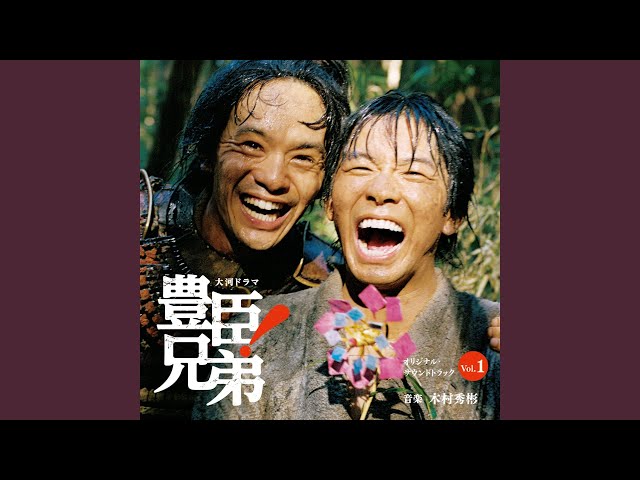
This is the main theme of NHK’s Taiga drama “Toyotomi Brothers!”, which began airing in 2026.
Taiga Nakano stars, with the story focusing on Hideyoshi Toyotomi’s younger brother, Hidenaga, depicting the tumultuous days of the brothers as they charge toward the grand dream of unifying the realm.
The music is by Hideaki Kimura, known for scoring dramas such as “Grand Maison Tokyo.” In addition to the weighty orchestral sound performed by the NHK Symphony Orchestra, Yuji Toriyama’s guitar adds a sense of speed, vividly capturing the fervor of the young brothers racing through the Sengoku period.
Released for streaming in January 2026, this is a track brimming with forward-driving energy that we hope those aiming for a big goal will listen to.
Theme of the Oedo Detective NetworkTAMAKI Hiroki

It’s a piece defined by a complex, dynamic structure that makes full use of irregular time signatures.
Composed by Hiroki Tamaki in 1970, the track blends perfectly with the narrative of “Oedo Sosamo” (The Edo Investigative Network), and has been cherished by many as a landmark among period-drama theme songs.
Its full-orchestra vibrancy suits the show’s righteous-justice storyline to a tee.
The Western-style orchestration and distinctive rhythms deliver both tension and drive to the viewer.
Another appealing aspect is the existence of multiple versions, including a new recording made in 1979 to coincide with the theatrical film release.
It’s a must-listen not only for jidaigeki fans but also for music enthusiasts.
Ah, there are tears in life.Satomi Kôtarô, Yokouchi Masashi

The duet by Kotaro Satomi and Tadashi Yokouchi is a moving masterpiece that sings of life’s joys and sorrows.
Released in 1973, it has long been beloved as the theme song for the long-running period drama Mito Komon.
Set to a grand arrangement woven from traditional Japanese instruments and brass, their voices capture the subtleties of human experience.
Reissued multiple times from the 1980s through the 1990s, it has continued to be cherished across generations.
When you feel lost in life or face hardships, listening to this song will surely give you courage.
Its hopeful message—that a smile always awaits after tears—gently warms the hearts of its listeners.
draft (cold air seeping through gaps)Sugi Ryōtarō

A renowned song that became deeply ingrained in households as the theme for the hugely popular period drama “Tōyama no Kin-san.” Released as a single in 1976, it enjoyed a long-running hit, staying on the Oricon charts for 147 weeks.
Sung by the show’s star, Ryōtarō Sugi, the piece tenderly expresses the loneliness and warmth of the human heart, in contrast to the drama’s exhilarating storyline.
With lyrics by Ide Haku and music by Minoru Endo, its beautiful melody and earnest yearning for love are truly moving.
Sugi’s sweet, resonant low voice especially resonates with adults who have tasted the bittersweetness of life.
It’s a song to listen to slowly when you want to soothe those sudden moments of loneliness.
Lone Wolf and CubHashi to Wakakusa Jidou Gasshoudan

Just hearing that distinctive opening phrase that evokes raindrops vividly brings to mind the striking image of a father pushing a baby carriage.
Yukio Hashi’s wistful vocals and the pure chorus by the Wakakusa Children’s Choir create a superb contrast, dramatically portraying the bond between parent and child as they face a harsh fate.
Originally released in December 1971 as a single serving as an image song for a graphic novel, it was later used as the theme song for Part 3 of a TV period drama starring Kin’nosuke Yorozuya, becoming such a major hit that it won the Popularity Award at the 14th Japan Record Awards in 1972.
This piece is perfect for when you want to immerse yourself in the rich world of period dramas.
As a masterpiece representing the Showa era, it’s something we’d love to see passed down across generations.