

[2026] A roundup of popular theme and opening songs from TV period dramas

An important genre in the history of Japanese film and television drama is the jidaigeki period drama.
Originally developed in cinema, jidaigeki later declined as a boom, but it went on to find a new home on television and has continued to produce many classics.
Many actors became popular stars through jidaigeki, and unforgettable theme tunes and songs are also indispensable when talking about the genre.
This article presents a roundup of representative jidaigeki theme music and theme songs.
It also includes dramas produced from the 2000s onward, so it’s something viewers of all generations can enjoy!
- Theme Songs of NHK Taiga Dramas Through the Years: The Allure of Music That Colors Historical Stories
- [2026] A roundup of popular theme and opening songs from TV period dramas
- Songs That Bring Back the Shows: Beloved Drama Theme Songs
- [Drama Theme Songs] Over 800 Million Plays! A Curated Selection of Unforgettable Classics
- A catchy tune that sounds familiar
- Theme and insert songs from the long-running Monday 9 p.m. dramas: classic hits from popular series and recommended fan favorites
- A comprehensive look at all the theme songs from Mezamashi TV and Mezamashi Doyoubi throughout the years!
- [Drama Soundtrack Collection] Timeless soundtrack masterpieces that revive the emotion: BGM and main theme
- [2000–2009] A roundup of theme songs from popular dramas!
- [Korean Drama OSTs] Classic Popular Songs That Color the Story: Best Masterpieces
- Nothing but iconic hits that defined an era! 2000s classics popular on TikTok
- [Fiery Classics] Super Sentai Theme Songs: All-Time Opening & Ending Themes
- [2026] A Compilation of Theme Songs from Netflix Original Japanese Dramas
[2026] Compilation of Popular Theme Songs from TV Period Dramas (11–20)
A Man’s YearsSatomi Kotarō

Kotaro Satomi has long remained at the forefront as a leading star of period dramas.
Chosen as the theme song for the second season of the popular Nippon TV series “Cho Shichiro Edo Nikki,” which he starred in, was “Otokono Saigetsu” (“A Man’s Years”).
Released as a single in 1988, it was coupled with the track “Otoko no Ryoshu.” The song beautifully captures the protagonist Matsudaira Cho Shichiro—played by Satomi—his stern resolve that shows no mercy to evil and his warm compassion for ordinary people.
With lyrics by Iori Yamamoto and music by Hiro Nagasawa, the piece poignantly portrays a man who, while reflecting on the past, keeps his eyes forward and walks on.
It’s the kind of classic you’ll want to listen to slowly in those brief moments amid busy days, savoring the depth of life.
Smile at meSatomi Kotarō

Starring Kotarō Satomi, an actor who epitomizes the jidaigeki genre, and thrilling audiences with his elegant dual-sword fighting, the Nippon TV drama Choshichiro Edo Nikki featured this song as the ending theme for its first series, which began airing in October 1983.
Released as a single in November 1983, it is also well known for its lyrics by Toyohisa Araki and composition by Masao Hirao.
Kotarō Satomi’s sweet, resonant voice echoes with a warmth that embraces parting and loneliness, imprinting itself deeply on viewers’ hearts.
It’s the perfect song for quietly reflecting at the end of a day after enjoying a rousing tale of good triumphing over evil, or for immersing yourself in the nostalgic ambiance of the Showa era.
In a dreamKobayashi Akira

Among the many TV period dramas in the Hissatsu series, Edo Professional: Hissatsu Shōbainin is known for its hard-boiled style—and this theme song graces its ending.
With lyrics by Yū Aku and music by Kōichi Morita, it was released as a single in February 1978.
Akira Kobayashi’s signature deep, rugged voice is fully showcased, perfectly linking with the drama’s weighty worldview.
While the song falls under enka and kayōkyoku, it is characterized by a spoken, intimate delivery without excessive kobushi or vibrato.
Its build toward the chorus is superb, carrying rising emotion that will resonate especially with adults acquainted with life’s bitterness.
A masterpiece recommended for quiet nights, sipping a drink alone and savoring the lingering afterglow of the story.
Taiheiki Main ThemeSaegusa Shigeaki

Set against the turmoil of the Northern and Southern Courts period, the 1991 NHK Taiga drama “Taiheiki” portrays the tumultuous life of Ashikaga Takauji.
Its opening theme—composed by Shigeaki Saegusa, a versatile creator of everything from opera to film music—immediately swept viewers into the currents of history.
The piece interweaves a rich orchestral sound with the timbres of gagaku instruments, beautifully expressing both the valor of the samurai and the melancholy of the era.
It is included on the soundtrack album NHK Taiga Drama ‘Taiheiki’ no Ongaku, released in September 1991, featuring the powerful performance of the Tokyo Symphony Orchestra.
Its dignified yet dramatic melody is a track you might turn to when facing a crossroads in life or when you want to quietly compose your heart at night.
Opening ThemeTsushima Toshiaki

The opening theme of Onihei Hankachō, composed by Toshiaki Tsushima, is a masterpiece that has long been cherished as a towering achievement in period drama music.
Its weighty orchestration and tension-filled rhythms superbly capture the harshness of Edo-era life and the protagonist Heizo’s complex inner world.
Created for the television drama series that began in 1989, the piece is included on Tsushima’s album Onihei Hankachō: TV Series Music Collection.
As music that enriches the popular series starring Kichiemon Nakamura, it’s irresistible for fans of period dramas.
Though it has no lyrics, its structure masterfully expresses the story’s stillness and motion—an absolute must-listen.
in the flower of (one’s) youthMatsukata Hiroki

The song chosen as the ending theme for the TV Asahi period drama series ‘Meibugyo Toyama no Kin-san’ drew even more attention because it was performed by the show’s star, Hiroki Matsukata, himself.
Written and composed by Ikuzo Yoshi, the piece captures the bittersweet masculinity characteristic of Showa-era pop.
Released in December 1993, Matsukata’s deep, rugged vocals resonated with the on-screen image of Kin-san, winning the hearts of fans.
The lyrics—portraying a man walking in search of solace and likening the beauty of life to the fleeting nature of cherry blossoms—deeply moved aficionados of jidaigeki and enka alike.
It’s a perfect song for those who want to feel the transience of life and the spirit of a man’s way of living.
[2026] Compilation of Popular Theme Songs from Japanese TV Period Dramas (21–30)
Love MandalaUmezawa Fumio
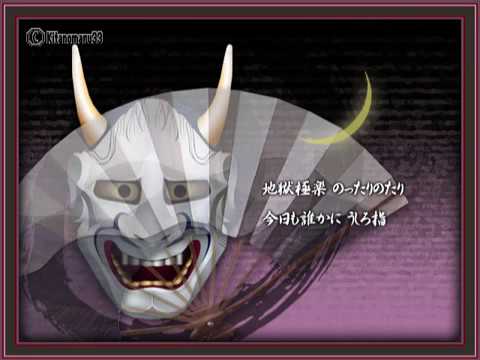
This is the ending theme song of Hissatsu Shigotonin V: Gekitō-hen, sung by Umezawa Tomio, who is famous for his beautiful onnagata roles.
The title, Koi Mandara, is pronounced “Koi Mandara.” He delivers a serenely powerful performance that makes it hard to recognize him as the same person who gets teased on variety shows.