

[Trivia] A three-choice quiz to deepen your rabbit knowledge

Rabbits, with their adorable appearance, are also popular as pets.
You can often see them at zoos and other places, and they’re loved by people of all ages, from children to adults.
If you’re interested in rabbit behavior and characteristics, we recommend a quiz themed around rabbit trivia.
We’ll present questions that help you understand the meanings behind various behaviors, like perking up their ears or lying down.
Try these questions to pick up fun facts and tips that will help you when interacting with rabbits.
- [Interesting] Compilation of Trivia Quiz Questions
- [Trivia] Do you know the answers? A roundup of animal quizzes
- [For Elementary School Students] Animal Quiz to Learn Knowledge and Fun Facts
- Can you solve it if you love cats? A 3-choice cat trivia quiz
- Fun quizzes for elementary school kids: a collection of questions everyone can enjoy together
- A three-choice quiz of useful trivia: a collection of questions you can use in everyday life
- [For Elementary School Students] 3-Choice Quiz to Deepen Knowledge of Living Things
- Trivia quiz about dogs: three-choice questions to learn fun facts
- Let's take on a four-choice quiz that everyone can enjoy together!
- [Challenging and Fun!] Quizzes & Riddles for Adults
- A collection of trivia quizzes about penguins: little-known facts about their ecology and fun tidbits.
- Trivia quiz with useful tips to know: fun facts that come in handy at school or at home [for kids]
- Gorilla trivia quiz: a roundup of fun facts!
[Trivia] A 3-choice quiz to deepen your rabbit knowledge (1–10)
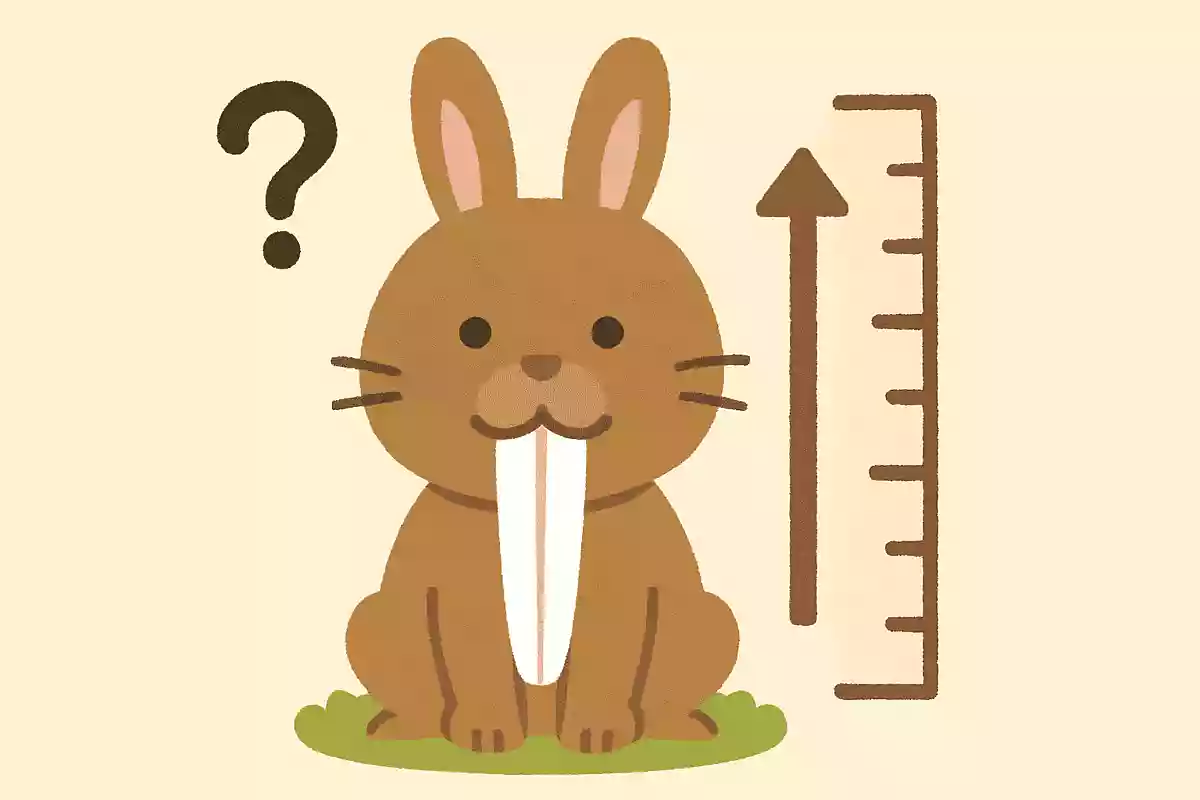
How long do a rabbit’s teeth keep growing?
- only during the first year after birth
- Only for the first three years after birth
- Grow continuously for a lifetime
See the answer
Grow continuously for a lifetime
Rabbits have the characteristic that their teeth continue to grow throughout their lives. In the wild, rabbits naturally grind down their teeth by gnawing on hard foods, which helps keep their teeth at an appropriate length. However, for pet rabbits, care is needed because their teeth can become overgrown if they are not provided with suitable materials to chew on.

Why do rabbits have big ears?

- to showcase strength
- To better hear the surrounding sounds
- To improve running speed
See the answer
To better hear the surrounding sounds
Rabbits’ large ears have evolved to effectively capture surrounding sounds. This enables them to detect approaching predators early and flee quickly, playing a very important role as a survival strategy.
What do rabbits do when they’re happy?

- to kick (one's) legs / to flail (one's) legs
- wag (its) tail
- cry out in a loud voice
See the answer
wag (its) tail
When rabbits are happy, they may wag their tails. This is one sign of joy or excitement, and it is often seen when they trust the other party.
[Trivia] 3-Choice Quiz to Deepen Your Knowledge of Rabbits (Questions 11–20)
Why do rabbits stomp?

- I'm hungry.
- To alert their companions to danger
- playing
See the answer
To alert their companions to danger
When rabbits sense danger, they stomp the ground hard to make a sound and warn their companions. This behavior, called stamping, serves in the wild to alert other rabbits that a potential threat is approaching.
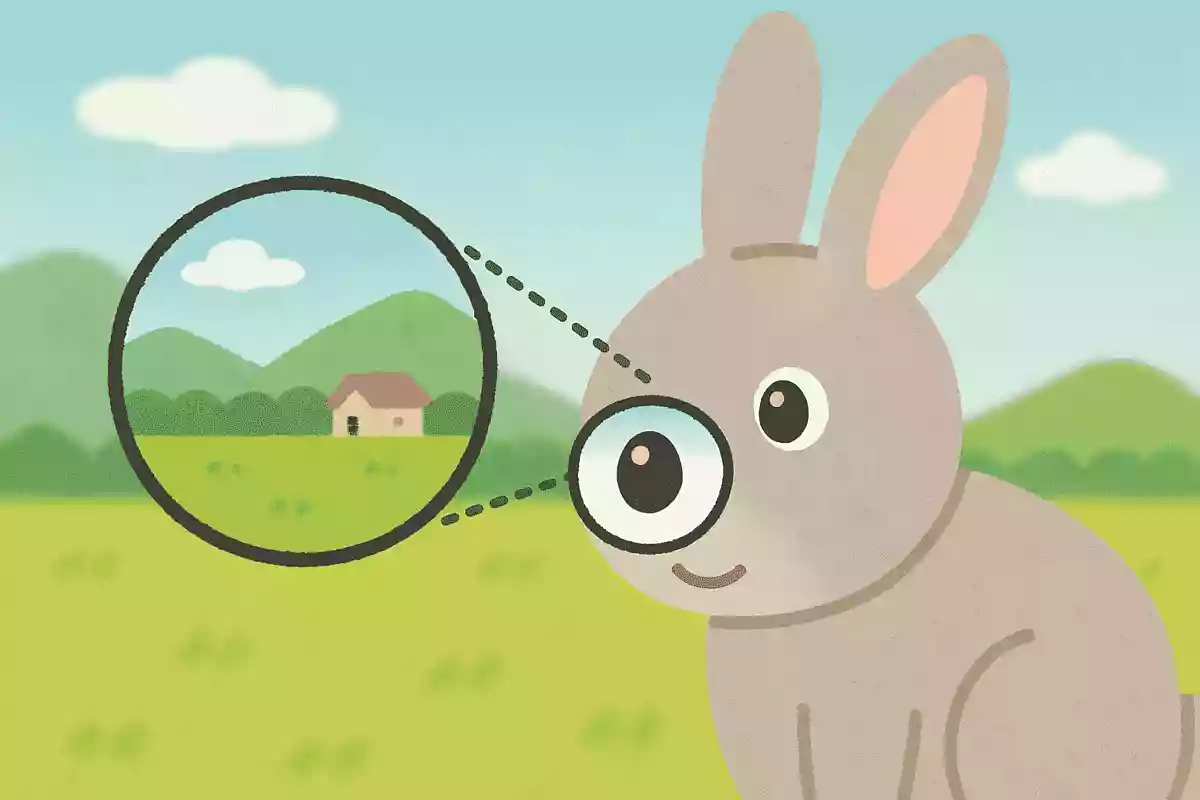
How good is a rabbit’s eyesight?
- 0.05~0.1
- 0.2~0.3
- 0.4~0.5
See the answer
0.05~0.1
A rabbit’s visual acuity is said to be about one-twentieth to one-tenth that of humans, roughly evaluated at 0.05 to 0.1. They are better suited to detecting distant moving objects than things nearby, and they protect themselves from predators with a nearly 360-degree field of view. They are sensitive to rapid movement and changes in light and dark, but are not good at seeing fine details.
When do rabbits press their foreheads against something?

- When I'm hungry
- When I'm relaxed
- When apologizing
See the answer
When apologizing
Rabbits pressing their foreheads together is actually seen when they are apologizing to a companion. Because they prefer peaceful resolutions in their society, they use this behavior to settle conflicts and maintain harmony within the group.
How long is a rabbit’s intestine?

- about 3 meters
- about 5 meters
- about 8 meters
See the answer
about 8 meters
Rabbits have intestines that are disproportionately long for their small bodies, reaching about 8 meters in length. Using these long intestines, rabbits can digest plant fibers very efficiently. In this way, they sustain themselves while obtaining the necessary nutrients.