

Popular Nostalgic Hits and Classics Ranking [1980s Japanese Music Ranking]

We’re excited to present the latest Top 100 ranking of classic Japanese pop songs, all in one go, ordered by most views!
We’ve picked out nostalgic hits from the 1980s!
Listening back, you’ll notice many of these tracks are still enjoying a revival today.
Be sure to check them out.
The playlist is updated weekly.
- Masterpieces and hit songs of 80s Japanese pop (kayōkyoku)
- A collection of nostalgic Japanese hit songs from the 1980s that still linger in our ears
- [Nostalgic Classics] Hit Japanese Love Songs from the 1980s
- A special feature on classic and hit songs by bands that were active in the 1980s
- Classic and hit Japanese pop songs from the nostalgic 80s
- Top 1980s Female Singer-Songwriters: Popular Songs Ranking [2026]
- Classic nostalgic summer hits from the ’80s. A roundup of summer songs.
- Cool songs from the Showa era. Masterpieces from Showa that shine with sensuality, passion, and rugged charm.
- Evokes the charm of the good old days. Showa-era inspirational songs that are still loved today.
- Classic and hit songs by nostalgic Japanese pop idols of the 80s
- Top Male Singer-Songwriter Hits of the 1980s: Ranking [2026]
- A collection of nostalgic hits from the Heisei era: Let’s look back at iconic songs from the 1990s and 2000s.
- [Nostalgic Hits] Smash Hits with the Showa Generation! Classic and Popular Songs Sung by Female Vocalists
Popular Nostalgic Hits and Classics Ranking [1980s Japanese Music Ranking] (31–40)
Midnight Door ~ Stay With MeMatsubara Miki36rank/position

A classic city pop song that conveys the atmosphere of the 1980s to the present.
Released in November 1979 as Miki Matsubara’s debut single, it peaked at No.
28 on the Oricon charts.
The song portrays the poignant feelings of a woman waiting late at night for a lover who doesn’t come home, highlighted by Matsubara’s jazzy, sultry vocals.
It was also included on the album “POCKET PARK,” with slight differences between the single and album versions.
The lyrics, depicting emotions that live on in lost love and memories, resonate with many and explain why the song is cherished across generations.
Its emo vibe has regained popularity on YouTube Shorts.
Embraced by the wintry windKoizumi Kyoko37rank/position

The 20th single by Kyoko Koizumi, who is active across a wide range of fields from idol to actress.
Chosen as the theme song for the film “Don’t Mess With My Woman,” the track was written and composed by Toshihiko Takamizawa of THE ALFEE.
The lyrics, themed around the bittersweet unrequited love felt with the arrival of the cold season, delve deeply into the inner world of a heart in love and portray the pain of feelings that cannot reach their destination.
There are various versions of this work, including an arrangement close to the demo tape that used bagpipes, which is included on the album “Hippies.” It’s an emotional number with a nostalgic Showa-era flavor, perfect for listening alone on a long winter’s night.
Teenage in GlassHikaru GENJI38rank/position

The second single by Hikaru GENJI, crafted by singer-songwriter Ryo Asuka, is a gem that captures the fleeting beauty of youth.
Released in November 1987, it topped the Oricon charts.
At the 2nd Japan Gold Disc Awards, it won both the Grand Prix Single of the Year and Best Single of the Year.
Also featured as an insert song in the film “Rock Yo, Shizuka ni Nagareyo” (“Rock, Flow Quietly”), the piece resonated with many young people through its lyrics that delicately express teenage emotions.
It’s a moving classic you’ll want to listen to when you feel like revisiting memories of your youth or reaffirming your feelings for someone important.
stationTakeuchi Mariya39rank/position

This song evokes a scene straight out of a film: unexpectedly running into an old lover at the station at twilight.
The protagonist notices him in the familiar raincoat, yet the bitter memories that resurface keep her from speaking.
Many listeners may feel their hearts tighten at the poignancy of fate, as two years have changed them both and sent them down diverging paths.
The song was self-covered on the acclaimed 1987 album “REQUEST,” and released as a single that November.
It also served as the theme for the Shochiku-distributed film “Goodbye Mama.” Another major appeal of this work lies in how its lyrics can be interpreted differently depending on the listener.
Put it on during a night when you want to reminisce about a past love and indulge in a touch of melancholy.
Two People’s Love IslandIshikawa Yuko & Chage40rank/position
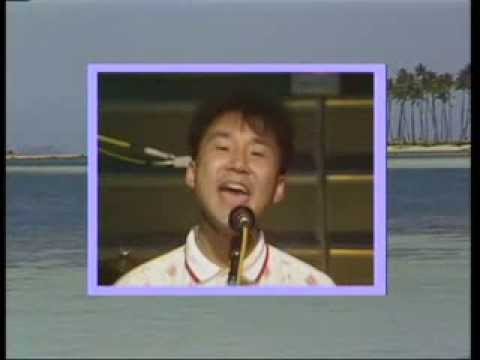
One of the duet songs that represents the Showa era is “Futari no Airando” by Yuko Ishikawa and Chage.
Released as a single in 1984, it reached No.
3 on the Oricon Singles Chart.
It was used in a JAL commercial, and both the lyrics and the musical style were created with Okinawa in mind.
Although “coconuts” appear in the lyrics, there were actually no coconuts in Okinawa; there’s even an anecdote that they got around this by making a pun, linking “kokonattsu” (coconuts) with “koko wa natsu” (it’s summer here).

Popular Nostalgic Oldies and Classic Songs Ranking [1980s Japanese Music Ranking] (41–50)
GLORIAZIGGY41rank/position

This is the second single by the rock band ZIGGY, which has remained active and energetic to this day since forming in 1984, despite member departures, additions, returns, and periods of hiatus.
Released simultaneously with their debut single “I’M GETTIN’ BLUE,” it is also known as one of ZIGGY’s signature songs, having been used as the theme for the TV drama “Dōkyūsei” (Classmates).
Its composition combines a driving rock sound with a pop, catchy melody that carries a hint of kayōkyoku (Japanese pop) sensibility, arguably presenting rock in a more accessible way during the subsequent band boom.
A defining track for ZIGGY’s band identity, it stands as a representative rock tune of the 1980s.

Friday ChinatownYasuha42rank/position

This is an exotic, foreign-flavored song set in Chinatown.
Known as a classic from the Showa era, it’s now very popular on Instagram Reels.
The lyrics charmingly portray a lively midnight Chinatown, bursting neon signs, and brief, serendipitous encounters with foreigners.
It was Yasuha’s debut work, released in September 1981.
Rediscovered amid the city pop revival, it also became available via digital distribution in May 2022.
The track is included on the album “TRANSIT,” and a reissued analog record was released in June of the same year.
It’s a perfect pick when you want to feel a touch of the exotic or enjoy the Showa vibe.
It’s also highly popular on Instagram Reels.