

Popular Nostalgic Hits and Classics Ranking [1980s Japanese Music Ranking]

We’re excited to present the latest Top 100 ranking of classic Japanese pop songs, all in one go, ordered by most views!
We’ve picked out nostalgic hits from the 1980s!
Listening back, you’ll notice many of these tracks are still enjoying a revival today.
Be sure to check them out.
The playlist is updated weekly.
- Masterpieces and hit songs of 80s Japanese pop (kayōkyoku)
- A collection of nostalgic Japanese hit songs from the 1980s that still linger in our ears
- [Nostalgic Classics] Hit Japanese Love Songs from the 1980s
- A special feature on classic and hit songs by bands that were active in the 1980s
- Classic and hit Japanese pop songs from the nostalgic 80s
- Top 1980s Female Singer-Songwriters: Popular Songs Ranking [2026]
- Classic nostalgic summer hits from the ’80s. A roundup of summer songs.
- Cool songs from the Showa era. Masterpieces from Showa that shine with sensuality, passion, and rugged charm.
- Evokes the charm of the good old days. Showa-era inspirational songs that are still loved today.
- Classic and hit songs by nostalgic Japanese pop idols of the 80s
- Top Male Singer-Songwriter Hits of the 1980s: Ranking [2026]
- A collection of nostalgic hits from the Heisei era: Let’s look back at iconic songs from the 1990s and 2000s.
- [Nostalgic Hits] Smash Hits with the Showa Generation! Classic and Popular Songs Sung by Female Vocalists
Popular Nostalgic Oldies and Classic Songs Ranking [1980s Japanese Music Ranking] (41–50)
There’s always tomorrowSakamoto Kyu43rank/position

It’s a classic song that sings of the clumsiness and hope of youth.
It portrays the protagonist’s feelings in love and the courage to take on challenges without fearing failure.
Kyu Sakamoto’s warm vocals enhance its positive message.
Released in 1963, it later gained renewed attention when it was used in a Japan Coca-Cola commercial.
In 2002, it was also selected as the entrance march for the National High School Baseball Invitational Tournament.
It’s a recommended track for those stepping into a new environment or struggling with love.
Each listen is sure to stir up hope.
Love Song of LumMatsutani Yūko44rank/position

This is a pop tune that sings of the thrill and heartache of first love.
Released as a debut single in October 1981, it was performed by Yuko Matsutani as the opening theme for the anime Urusei Yatsura.
The heroine’s single-minded passion for love and her complex feelings over her partner’s fickleness are conveyed through a breezy melody and striking syncopation.
Although it served as an image song for the anime, it adopted an innovative approach during production by omitting character names from the lyrics, capturing the hearts of many as a universal love song.
Its catchy rhythm and sweet, wistful vocals sound as if they’ve turned a lovestruck woman’s emotions directly into music.
It’s a track that still resonates with today’s youth.
Ruby RingTerao Akira45rank/position

Known as one of Akira Terao’s signature songs, this piece is a poignant track that depicts a mature romance.
Its lyrics, which look back fondly on a lost love, together with Terao’s characteristically husky vocals, resonate deeply with listeners.
Released in February 1981, it became a massive hit, staying at No.
1 on the Oricon charts for ten consecutive weeks.
It was also featured in a Yokohama Tires commercial, earning broad popularity across generations.
It’s a recommended listen for those who have experienced parting with someone dear, or for anyone who wants to soak in the atmosphere of the Showa era.
SUMMER SUSPICIONSugiyama Kiyotaka & Omega Tribe46rank/position

A song by Kiyotaka Sugiyama & Omega Tribe that evokes a refreshing summer night.
Its urbane melody and bittersweet lyrics paint a picture of a love at summer’s end.
Even while carrying doubt and anxiety, Sugiyama’s passionate vocals are, in a word, “cool.” Released by VAP in September 1983, the track was included on their debut album, AQUA CITY, and became one of their signature songs.
It’s perfect for moments when you want to bask in summer memories or linger over a farewell to someone dear.
As a classic of Showa-era kayōkyoku that fully embodies the charm of city pop, it continues to be loved by many.
Sentimental ChristmasHamada Shogo47rank/position

A winter masterpiece by Shogo Hamada that delicately portrays lovers braving the cold wind and the scenes of Christmas night.
Included on “Before the Generation of Love” in November 1981, this song continues to be cherished by many as one of the quintessential Christmas songs of the 1980s.
Hamada’s warm vocals and Kimio Mizutani’s delicate arrangement create a track that conveys warmth even amid the winter chill.
Its distinctive sensibility and emotionally rich melodic lines resonate deeply with listeners.
It’s a song you’ll want to play on a cold winter night while thinking of someone special—perfect as background music for Christmas spent with a loved one.
Get WildTM NETWORK48rank/position
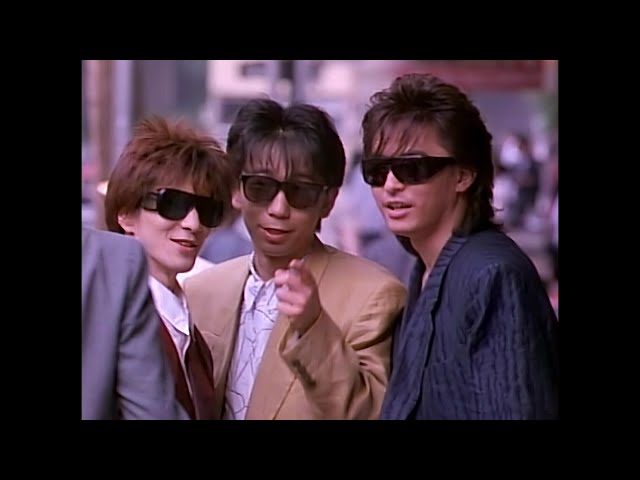
An innovative sound that begins with the roar of tires racing through the city night.
Featured as the ending theme of the anime City Hunter, this song instantly boosted TM NETWORK’s recognition.
Its lyrics—singing of adventurous spirit, the challenge of the unknown, and the importance of becoming strong for someone else—resonate with many.
Since its release in April 1987, it has remained a staple of karaoke and anime songs, radiating timeless charm even 35 years later.
Performed live in various arrangements, it reveals new appeal each time.
It’s also a popular track on YouTube Shorts.
You are in full color.Ohtaki Eiichi49rank/position

It’s a classic that blends nostalgia with freshness.
Showcasing Eiichi Ohtaki’s delicate musicality, this work was released in March 1981 and included on the album “A LONG VACATION.” It paints the ache of a lost love with vividly colorful expressions.
The unusual twist of lowering the key only in the chorus is also captivating.
After 40 years, a music video was produced for the first time in March 2021, and it has garnered over 6 million views.
While evoking the Showa era, the piece has a timeless appeal that resonates today.
It’s perfect for when you want to bask in nostalgia or reflect on someone dear.
Use it as BGM for your Instagram Reels, and your post will have a wonderful atmosphere.