

Popular Enka Singers Ranking [2026]

Enka, which has long been passed down as a song close to the hearts of the Japanese people, remains deeply popular even today.
This time, we present a ranking of popular enka singers who perform this beloved genre.
From nationally renowned stars to lesser-known artists cherished by dedicated fans, a wide range of singers have made the list—be sure to give them a listen.
- Popular Enka. Latest Rankings [2026]
- Enka Singer Popularity Ranking in Karaoke [2026]
- Enka Karaoke Popularity Rankings [2026]
- [2026] Recent hit enka songs: must-watch popular kayō tracks
- Kohei Fukuda Popular Song Ranking [2026]
- Aiya Shimazu Popular Songs Ranking [2026]
- Showa Era Popular Artist Rankings [2026]
- [2026] Representative Famous Enka Songs: A Compilation of Classic Favorites [Beginner-Friendly]
- [2026] All-Time Enka Sales Ranking
- Hikawa Kiyoshi Popular Songs Ranking [2026]
- Hiroshi Itsuki Popular Songs Ranking [2026]
- [2026] Easy Enka Songs for Karaoke: Recommended Picks — Women Singers Edition
- [2026] Easy Enka Songs Recommended for Karaoke – Male Singers Edition
Popular Enka Singers Ranking [2026] (91–100)
one-way ticketKitayama Takeshi92rank/position
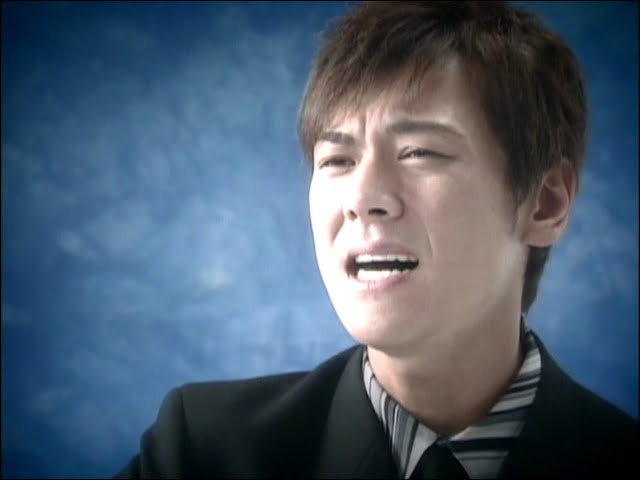
A deeply moving song that portrays a solitary departure, undertaken with the resolve never to return.
Written and composed by Joji Hara, his powerful yet gentle voice richly conveys both the determination to face a harsh journey and the quiet nostalgia held within.
Released in April 2004 as a debut single, the track achieved the remarkable feat of reaching No.
20 on the Oricon overall chart—at the time, the highest ranking ever for a solo debut by an enka singer.
This solid first step paved the way for later successes, including the acclaimed album “Ippo” (One Step) and “Yume Ichizu,” which was selected as the theme song for the TV drama “Suronin Tsukikage Hyogo.” It is a song that will resonate deeply with anyone standing at a crossroads, ready to venture onto a new path.
Sakura, sakuraHattori Hiroko93rank/position

Hiroko Hattori is known for having many songs with a mature melody, but among her works are some wrapped in a pop atmosphere.
The one I especially recommend is Sakura Sakura.
While this piece retains elements of traditional enka, it leans more toward kayōkyoku, featuring a vocal line with gently rising and falling pitches throughout.
There’s only one instance of kobushi (the characteristic enka vocal ornament) just before the chorus, so even those who aren’t fond of enka’s distinctive singing style should be able to sing it without trouble.

Pathway of the HeartAsahna Miho94rank/position

Miho Asaka is a female singer from Yonago City in Tottori Prefecture who is drawing attention for her “uta-shibai,” a fusion of singing and theater.
From a young age, she performed on stage with her grandmother, continually captivating audiences with new-style dance and songs that include spoken lines.
Her song Kokoro no Hanamichi was composed by her mentor, Kenji Miyashita.
It’s a powerful, classic enka-style cheer song that encourages those who are single-mindedly pursuing their dreams—perfect for anyone ready to take a new step forward!
Woman’s DepartureMatsubara Nobue95rank/position

A signature work by Nobue Matsubara that brought a fresh breeze to the world of enka.
The lyrics strikingly depict a woman’s delicate feelings and inner strength.
Centered on the theme of setting sail, it skillfully expresses the anticipation and anxiety of a new life, as well as the poignancy of parting.
Released in 1979, this song is also known as Matsubara’s debut single and won the New Artist Award at the Japan Record Awards that year.
Highly recommended not only for enka fans, but also for anyone standing at a crossroads in life.
Sing it at karaoke, and you’re sure to feel a moving resonance in your heart.
Strings of TearsTonosama Kingusu96rank/position

A signature work by the Tonomama Kings that symbolizes the enka boom of the 1970s and continues to be loved by many to this day.
The lyrics, depicting a woman’s devoted love and life-risking fidelity, strongly reflect the social climate and values of the time, leaving a deep emotional impact on listeners.
Released in November 1973, the song drew wide attention as the opening theme for Fuji TV’s variety program “Aisuru Futari Wakareru Futari.” The following year, it won the Popularity Award at the 16th Japan Record Awards.
It topped the Oricon charts for nine consecutive weeks, ranked first on the year-end singles chart, and became a massive hit with total sales of 1.973 million copies.
It is recommended not only for enka fans but also for those interested in the history of Japanese music.
Osaka RhapsodyUminara Senri · Mari97rank/position

This is a signature song by Senri & Mari Unabara, one of Japan’s most iconic female comedy duos.
Released in February 1976, the piece is a kayōkyoku number that portrays the sweet moments of lovers set against the cityscape of Osaka.
With Osaka landmarks like Midosuji and Dotonbori as the backdrop, the protagonists’ emotions are depicted with care.
The seven-colored neon lights are used as a motif symbolizing “sweet dreams,” making the lyrics deeply resonate with listeners.
The song is also included on the album Osaka Rhapsody and reached No.
24 on the Oricon weekly chart.
It became a massive hit, selling around 400,000 copies.
It’s a recommended track not only for those from Osaka, but for anyone who carries feelings of love or nostalgia for their hometown.
Okuhida BojoRyū Tetsuya98rank/position

Carried by Tetsuya Ryū’s singing voice, you can almost see the scenes woven from Okuhida’s beautiful nature and a heartrending love.
The symbolic expressions are striking too, such as likening a fleeting hope to a white lily in the valley.
Released by Trio Records in June 1980, the song became a massive hit, selling a total of 1.485 million copies.
In 1981, it also earned a spot in the 32nd NHK Kōhaku Uta Gassen.
It’s a recommended track for those who want to feel the landscapes of Okuhida and the atmosphere of its hot spring towns, or for those seeking to heal the pain of heartbreak.
You’re sure to be moved by Ryū’s deeply emotional singing.