

Popular Enka Singers Ranking [2026]

Enka, which has long been passed down as a song close to the hearts of the Japanese people, remains deeply popular even today.
This time, we present a ranking of popular enka singers who perform this beloved genre.
From nationally renowned stars to lesser-known artists cherished by dedicated fans, a wide range of singers have made the list—be sure to give them a listen.
- Popular Enka. Latest Rankings [2026]
- Enka Singer Popularity Ranking in Karaoke [2026]
- Enka Karaoke Popularity Rankings [2026]
- [2026] Recent hit enka songs: must-watch popular kayō tracks
- Kohei Fukuda Popular Song Ranking [2026]
- Aiya Shimazu Popular Songs Ranking [2026]
- Showa Era Popular Artist Rankings [2026]
- [2026] Representative Famous Enka Songs: A Compilation of Classic Favorites [Beginner-Friendly]
- [2026] All-Time Enka Sales Ranking
- Hikawa Kiyoshi Popular Songs Ranking [2026]
- Hiroshi Itsuki Popular Songs Ranking [2026]
- [2026] Easy Enka Songs for Karaoke: Recommended Picks — Women Singers Edition
- [2026] Easy Enka Songs Recommended for Karaoke – Male Singers Edition
Popular Enka Singers Ranking [2026] (21–30)
A solitary journey to MichinokuYamamoto Jōji29rank/position

Michinoku Hitoritabi is the signature song that made Joji Yamamoto a household name nationwide, and it stands as the biggest hit in his long career discography.
Released in 1980, it steadily gained sales and became a long-running hit from the following year—a true classic.
Because it’s so well-known, many people can hum along to it, and it’s consistently a top choice for karaoke.
Although it’s enka, it carries a strong kayōkyoku (Japanese pop ballad) flavor, making it a great recommendation for beginners who aren’t quite ready to dive into orthodox enka.
The key isn’t particularly high, but there are some noticeable rises and falls in pitch, so focus on producing a solid, powerful, and lustrous low register, and make the contrast with the high parts clear.
Try singing it the way Yamamoto does—savoring the melancholic lyrics and melody.

Cape ErimoMori Shinichi30rank/position

This is a fusion of folk and enka, composed by Takuro Yoshida with lyrics by Osami Okamoto.
It was a hit with total sales of about one million copies and won both the Japan Record Award and the Japan Kayō Award in the same year.
It’s a masterpiece praised for its profound lyrics that embody feelings of loneliness and nihilism, and for its beautiful trumpet melody.
The overall vocal range of the song is A#2 to A#4, giving the chorus a slightly higher feel.
First, try projecting your voice firmly so you can sing comfortably without worrying about pitch.
The opening of the chorus is crucial, so come in with strong, energetic vocals.

Popular Enka Singers Ranking [2026] (31–40)
Shirakami-SanchiNagayama Yōko31rank/position

Released in 2024, Shirakami Sanchi—an upright Tsugaru shamisen performance that epitomizes Yoko Nagayama—is already drawing attention as one of her signature songs of the Reiwa era.
Its major key gives it a fresh, bright, up-tempo feel, and the interplay between the shamisen ensemble and rock-style guitar is seriously cool.
It’s already a big hit at karaoke, and many people are surely eager to give it a try.
While Nagayama’s singing features her characteristic kobushi (ornamental vocal turns), the melodic development isn’t tricky, so we’d love for even enka beginners to take on the challenge.
Anemone flaccida (nirinsō; literally “two-flowered anemone”)kawanaka miyuki32rank/position
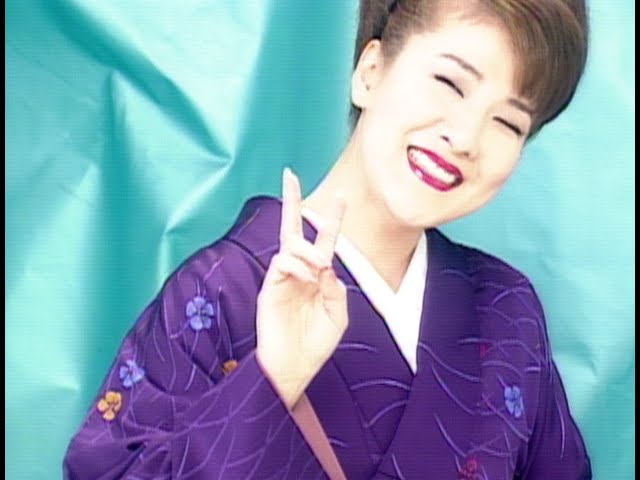
Among Miyuki Kawanaka’s songs, “Nirinsō” stands out as one of the most well-known, with sales reaching one million copies.
Kawanaka herself released an album titled “Shiawase Enka,” and it’s fitting that “Nirinsō” is the first track—its bright, upbeat tone is distinctive and seems to symbolize the “sunny” side of enka, which expresses the full spectrum of life’s emotions.
For enka fans, it needs no introduction, and it’s also immensely popular at karaoke, so there’s no need for excessive commentary.
For beginners, however, practicing this song can be a great way to learn fundamental enka techniques like vibrato and kobushi.
If the high notes are tough, adjust the key to suit your voice, study the wonderful lyrics, and sing with feeling.
Dotonbori SentimentTendō Yoshimi33rank/position

Yoshimi Tendo is an enka singer highly acclaimed for her live performances.
With first-class qualities across the board—vocal power, expressiveness, and fine techniques such as kobushi—she also has songs that are relatively easy to sing.
Among them, the one I especially recommend is Dotonbori Ninjo.
It’s a robust enka number with the flavor of Kawachi Ondo, but most of the kobushi are the type that undulate at the start of each phrase, so it’s not particularly difficult.
Of course, if you aim to replicate every detail, the difficulty is high; however, since most of the Kawachi Ondo-style kobushi occur in the lower register, anyone who can control pitch in the low range should be able to sing it without issue.
By the way, the reading of the title is not “Dotonbori Ninjo,” but “Tonbori Ninjo.”

Life is full of ups and downs.Shimakura Chiyoko34rank/position
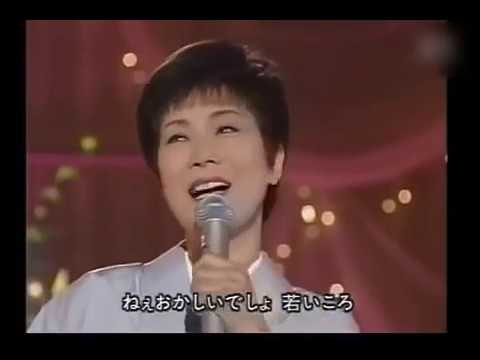
This is her biggest hit, released on April 21, 1987.
She performed it at that year’s Kōhaku Uta Gassen, which helped broaden its appeal among younger generations, and it became a major hit that sets the joys and sorrows of life to a light, upbeat rhythm.
The overall vocal range of the song is a calm F3–G4, so the key is that you can sing it without forcing your voice from the start.
When singing, instead of projecting with a big voice, try placing the voice right in front of you to maintain a composed tone.
In the latter half, the key changes and the range goes higher, so open your eyes wide and be careful not to let the pitch drop.
Kamuro-zaka in the chill of cherry-blossom seasonNahomi35rank/position

This enka piece weaves a poignantly bittersweet love in rich emotion against a backdrop of cherry blossoms fluttering along an urban slope that still carries the lingering air of Edo.
Set at Shinagawa’s symbolic cherry-blossom landmark, it portrays the inner feelings of a person harboring unspoken love with lyrical sensitivity.
Nahomi’s delicate vocals evoke the quiet yet resilient strength of a mature woman, resonating deeply with listeners.
Released in March 2025 by Tokuma Japan Communications, with lyrics by Naofumi Yanagida and composition by Akito Shikata, it’s a song perfect for the season when spring arrives—recommended for those who think of a cherished someone during cherry blossom time.
Like sakura blooming in a corner of the city, its fragile yet beautiful portrait of love will surely touch the hearts of those who can relate.