

Japanese Pop (J-Pop) Rankings Popular Among Women [2026]

We’ve put together a collection of popular J-pop songs by female artists that have racked up lots of plays.You’re sure to find the perfect track for you.Feel free to use this as a reference.You might even discover a wonderful song you’ve never listened to before!
- Ranking of Beloved Hit Songs Among Women [2026]
- Recommended Japanese Female Artists and Popular Song Rankings for Women [2026]
- Popular Japanese Music / J-POP Artist Rankings [2026]
- Best/Loved Songs with Great Lyrics by Female Singer-Songwriters: Ranking [2026]
- Ranking of Popular Japanese Songs and J-Pop Among High School Girls [2026]
- Band Rankings Popular with Women [2026]
- Ranking of Popular Japanese Music/J-POP Artists Among People in Their 20s [2026]
- Women's Popular Karaoke Rankings [2026]
- Top Female Singer-Songwriters and Popular Songs of the 2000s [2026]
- Cool If You Can Sing! Popular Karaoke Songs Recommended for Women
- Karaoke That Gets Everyone Excited: Women’s Rankings [2026]
- Popular Cute Songs: Japanese Music/J-Pop Artist Rankings [2026]
- Commercial Songs by Japanese Female Artists: CM Songs and Popular Track Rankings [2026]
Japanese Pop (J-POP) Rankings Popular with Women [2026] (91–100)
Lingering Snowiruka92rank/position

This song poignantly portrays a heartrending farewell, using unseasonal snow as its motif.
Set on a station platform as spring approaches, the story vividly conveys the lingering attachment of a man who cannot accept the parting.
First performed on the album “The World of Iruka,” recorded in March 1975, and released as a single that November, it became one of Iruka’s signature classics.
It peaked at No.
4 on the Oricon chart, ranked No.
11 for the year, and sold over 800,000 copies.
With Masataka Matsutoya’s rich arrangement paired with Iruka’s gentle vocals, the song beautifully depicts the scene of farewell.
It’s recommended for moments when you want to reminisce about your youth and look back on precious times with someone dear.
Zankyo SankaAimer93rank/position
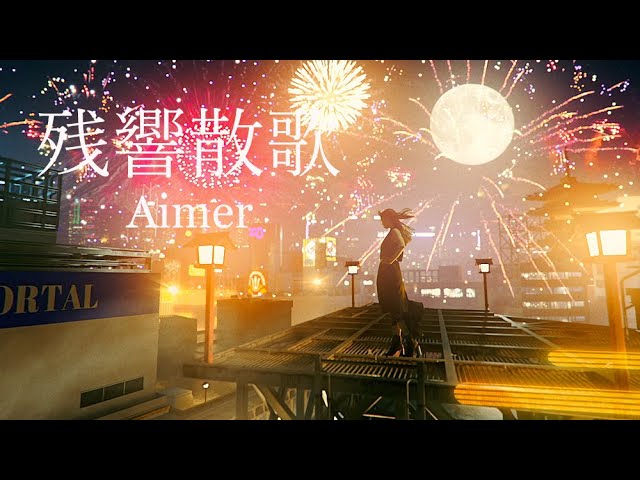
Released in January 2022 as Aimer’s 20th single, this song was selected as the opening theme for the popular anime Demon Slayer: Kimetsu no Yaiba – Entertainment District Arc.
It topped the Billboard Japan Hot 100 for nine consecutive weeks, surpassed 200 million streams, and received a Special Award at the Japan Record Awards.
Masahiro Tobinai’s bold arrangement features resplendent brass and strings that brilliantly capture both the opulence of the red-light district and the tension of battle.
The lyrics, imbued with a powerful resolve to overcome past pain and resound into the future, embody the very determination of characters who confront their fate.
Performed even in cheering scenes at Koshien, it’s a song cherished not only by anime fans but also by many listeners running through their youth.
Soul RevolutionSuperfly94rank/position

A hit song from 2010 featuring a powerful rock sound and overwhelming vocal prowess.
Chosen as NHK’s soccer theme song for the 2010 FIFA World Cup, it was used across J.League broadcasts and other soccer programs, energizing and moving many listeners.
If you want to sing something strong and bold, many people turn to Superfly’s songs.
However, because “Tamashii Revolution” opens with the chorus, if you go full throttle from the start you’ll run out of stamina; the key is to conserve energy and keep a good balance as you sing.
There are also many parts where both the rhythm and pitch bounce around, and unless you can instantly switch between chest voice, falsetto, and mixed voice, it’s quite difficult to deliver it with full impact.

Thank youikimonogakari95rank/position

This is Ikimonogakari’s 18th single, written as the theme song for the NHK morning drama series Gegege no Nyobo.
Released in May 2010, it won an Excellence Award at the 52nd Japan Record Awards.
The lyrics, which tenderly portray the love nurtured in everyday life and gratitude toward those dear to us, resonate deeply.
The warmth conveyed by holding hands and the hope for a shared future are expressed through a gentle melody that warmly embraces listeners.
In the 2013 school year, it was included as a choral piece in high school music textbooks, and it has also become a popular staple for graduation ceremonies.
It may feel a bit embarrassing to put into words, but this song is perfect for conveying thanks to the teachers, friends, and family who have supported you.
Why not sing it to express your honest feelings along with your memories of junior high school life?
the best in the worldInoue Sonoko96rank/position

Singer-songwriter Sonoko Inoue, known for songs that capture the cute feelings of girls, is very popular.
Her track “Sekai de Ichiban” (“The Best in the World”) is one of her signature songs—a love song that deeply resonates with women in love.
Even if it’s not your first crush, a first date or a first experience with someone you like can make your heart race—moments filled with nerves and excitement.
Starting from that fluttering feeling, this love song conveys how the bond between two people deepens.
Men will likely find themselves drawn into the lyrics too, imagining themselves in the story and feeling their hearts pound.

The summer you gave meieiri reo97rank/position

This song poignantly captures the bittersweet feeling of summer love, highlighted by Leo Ieiri’s clear, crystalline vocals.
The lyrics, which depict memories and growth from one’s youth, are sure to resonate with many listeners.
Released in August 2015, it also drew attention as the theme song for the Fuji TV drama “Koinaka.” It’s a perfect karaoke choice for women in their 20s, recommended for girls’ nights out or when you want to look back on summer memories.
For women with an average vocal range, it’s comfortably singable, and since it’s a slow-tempo ballad, try singing it while checking each pitch and rhythm step by step.
Love is…Kato Miria98rank/position

The grand ballad inspired by the classical masterpiece Canon delivers a straightforward message—no matter what happens, we’ll stay together—that truly resonates.
Even when loneliness and anxiety make it hard to see ahead, there is someone who will never give up on you and keep supporting you.
It sings of the strength and preciousness of such love and bonds.
Released in June 2007 as Miliyah Kato’s tenth single, the song also served as the ending theme for the anime Toward the Terra.
Its inclusion in the best-of album M BEST II shows how it has continued to be loved over time.
A pledge of eternal love, this work is the ultimate love song—one that makes you want to stay with the person you cherish forever.