

![Top Female Singer-Songwriters and Popular Songs of the 2000s [2026]](https://i.ytimg.com/vi/q57rZgurLHw/sddefault.jpg)
Top Female Singer-Songwriters and Popular Songs of the 2000s [2026]

We present a ranking-style list packed with popular tracks, drawing from hit songs and hidden gems by female singer-songwriters of the 2000s.
Many massively popular songs that still frequently appear on TV music programs are ranked as well.
Find your new favorite track!
Top 2000s Female Singer-Songwriters: Popular Songs Ranking [2026] (1–10)
CHE.R.RYYUI1rank/position
Released in 2007, this signature spring song by YUI portrays the fluttery feelings of a one-sided crush through the lens of flip-phone email exchanges.
The protagonist’s heart leaps at emoji-filled messages from their crush, frets over when to reply, and, unable to play it cool, answers right away—capturing the pure sincerity of a girl in love.
Set to light acoustic guitar, the bittersweet emotions are sung in a charming, cute way.
The track drew attention as the CM song for KDDI’s “LISMO!” and debuted at No.
2 on the Oricon chart.
It’s also included on the album “CAN’T BUY MY LOVE.” Perfect for when you want to reminisce about a gentle first love or get excited chatting about youthful memories with friends.
moonlightOnitsuka Chihiro2rank/position
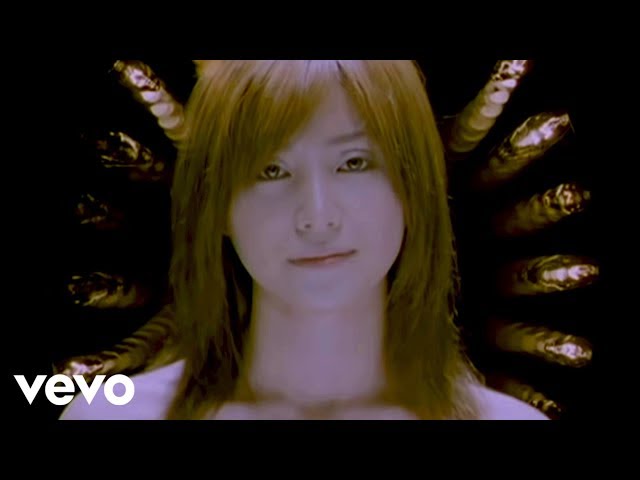
When it comes to songs that made a profound impact on the music scene of the Heisei era, you can’t leave out that song by Chihiro Onitsuka.
Released in March 2001, it was also used as the theme song for the TV drama TRICK, and its captivating worldview together with Onitsuka’s overwhelming vocal prowess captured the hearts of many.
The lyrics, woven from deep despair and loneliness and the complex emotions of searching for one’s identity, leave a powerful impression on listeners while evoking deep empathy.
It’s perfect for listening alone on a quiet night, or for spending a relaxed time together with someone special.
Timeless and indelibly etched into the heart no matter when you hear it, this is a track I can confidently recommend—even to those born in the Heisei era.
SEASONSHamasaki Ayumi3rank/position
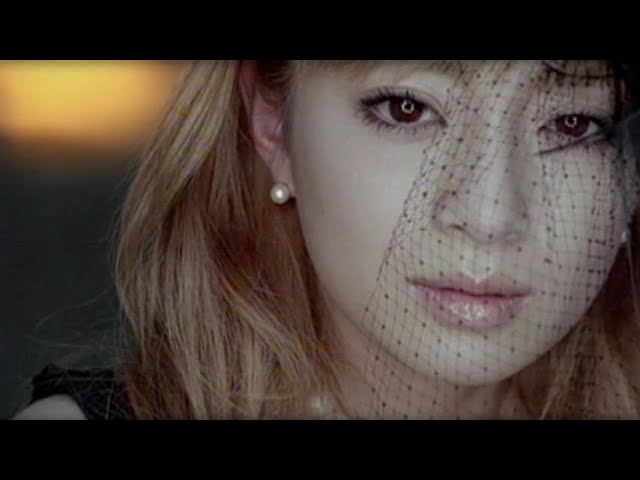
A memorable masterpiece that stands as one of the defining ballads of the 2000s.
Released in 2006 as Ayumi Hamasaki’s 16th single, it portrays the transience of life and hope for the future through the shifting of the seasons.
Chosen as the theme song for Fuji TV’s Monday 9 p.m.
drama “Weather Forecaster’s Lover,” starring Koichi Sato and Izumi Inamori, it strikingly colored the romantic story of a protagonist working as a weather forecaster.
It’s a song that gently stays by your side when you’re at a crossroads in life or feeling uncertain about the future.
Snow BlossomNakajima Mika4rank/position

Mika Nakashima’s 10th single, released in October 2003.
It was featured in commercials for Meiji Seika’s Boda and Galbo, and won the Gold Award at the 45th Japan Record Awards.
The delicate melody woven by piano and strings overlays winter imagery like white breath and falling snow, and the lyrics—where the fragility of love and a sense of warmth intersect—really resonate.
It also became a major hit as the theme song of a Korean drama, and has continued to be covered by many artists in Japan and abroad, including Hideaki Tokunaga and Akina Nakamori, making it a winter standard.
In 2019, a film of the same name inspired by the song was released, and it remains beloved across generations.
dogwood (flowering dogwood)Hitoto Yo5rank/position

This is Yo Hitoto’s fifth single, released in February 2004.
Inspired by an email from a friend living in New York, the song was written as a prayer for peace and carries a gentle wish that a loved one’s happiness will continue for a hundred years.
While the original draft included more direct expressions, the lyrics were refined into the prayerful words we hear today.
The song received numerous tie-ins, including serving as the theme for NTV’s Tuesday Suspense Theater, a JRA commercial song, and a 2010 film theme.
It also spent 90 consecutive weeks in the top five of the karaoke rankings.
Known as the most-sung karaoke song of the Heisei era, this classic softly accompanies moments when you want to share in the desire for a loved one’s happiness and when you seek peace in your heart.
Can You Keep A Secret?Utada Hikaru6rank/position

Should I keep hiding these feelings of “love” as they are, or what should I do? This song by Hikaru Utada skillfully portrays a thrilling emotional state reminiscent of the push-and-pull of romance.
Released in February 2001, it was used as the theme song for the smash-hit drama “HERO” starring Takuya Kimura.
The single became the first million-seller of the 21st century and was later included on the acclaimed album “Distance.” Set to an R&B-inflected groove, the lyrics depict a precarious sense of distance with someone sharing a secret, hinting at the depth of her talent even as a teenager at the time.
It resonates when you want to feel the fluttering excitement of new love or the bittersweet frustration of a slightly more grown-up romance.
A bouquet of flowers with loveSuperfly7rank/position

This is a song that epitomizes 2000s graduation anthems, sung with fiery passion! Its powerful vocals and moving melody resonate deeply, making you want to express your feelings of “thank you.” Released in February 2008, it became a massive hit as a TV drama theme song.
It’s also included on the album “Superfly BEST” and has remained beloved for years.
Perfect as background music for graduation ceremonies and farewell parties.
It’s a gem of a song filled with the desire to convey heartfelt gratitude to someone important.