

Top Female Singer-Songwriters and Popular Songs of the 2000s [2026]

We present a ranking-style list packed with popular tracks, drawing from hit songs and hidden gems by female singer-songwriters of the 2000s.
Many massively popular songs that still frequently appear on TV music programs are ranked as well.
Find your new favorite track!
- Debut songs by Japanese female artists from the 2000s
- 2000s: A Collection of Hit Karaoke Classics
- Ranking of Popular Songs by Female Singer-Songwriters of the 1990s [2026]
- Theme Songs, Insert Songs, and Popular Song Rankings by Female Singer-Songwriters [2026]
- Love songs that were hits in the 2000s. Classic and popular Japanese songs.
- Best/Loved Songs with Great Lyrics by Female Singer-Songwriters: Ranking [2026]
- All big hits! A roundup of classic J‑Pop songs that were popular in 2000
- Ranking of Beloved Hit Songs Among Women [2026]
- Cool Japanese female vocal
- Girls’ rock: female vocal bands that were active in the 2000s
- Recommended Japanese Female Artists and Popular Song Rankings for Women [2026]
- [Japanese Music] Masterpieces of 2000s Pop: A roundup of hit songs from 00s J-POP
- Nothing but iconic hits that defined an era! 2000s classics popular on TikTok
Top Female Singer-Songwriters of the 2000s: Popular Song Ranking [2026] (21–30)
travelingUtada Hikaru29rank/position

One of the iconic songs by Hikaru Utada, the charismatic artist who sparked a new whirlwind in the music world in the 2000s, is “traveling.” Released in 2001, it became a massive hit.
Used in a commercial and heard in living rooms across the country, the impact of this song is immeasurable.
Teru’s SongTeshima Aoi30rank/position

A ballad with a quiet resonance that embodies the film’s world, its lyrics evoking loneliness and the will to live and reaching deep into the heart.
Known as an insert song for Studio Ghibli’s Tales from Earthsea, this debut single by Aoi Teshima was released in June 2006, with lyrics by Goro Miyazaki and music by Hiroko Taniyama.
It features few flashy developments or sudden leaps in pitch, and its nursery rhyme–like melody is distinctive, making it easy to follow calmly even for those concerned about vocal range.
In karaoke, the key is to cherish the lyrics and sing as if speaking to the listener.
Rather than forcing your voice, aim for a breathy, intimate delivery like Aoi Teshima’s to bring out the song’s atmosphere.
Female Singer-Songwriters of the 2000s: Popular Songs Ranking [2026] (31–40)
MHamasaki Ayumi31rank/position

One of the signature songs by Heisei-era songstress Ayumi Hamasaki, “M,” was released in 2000.
Dropping in December of that year and containing scenes that suggest winter’s approach, it has long been cherished as a winter ballad.
Those who have experienced a great love—whether in the past or right now—will likely feel something welling up inside.
This song even carries an almost divine aura.
The storyline that was later adapted into a drama and the lyrics that convey heartfelt emotion so vividly are thought-provoking, but above all, I believe the song’s true appeal lies in its universality: a ballad that gently stands by all who have been hurt.

I miss you so much and want to see you.Nishino Kana32rank/position

This is the 10th single by singer Kana Nishino, who enjoyed popularity with lyrics that empathize with women’s feelings and catchy pop tunes, yet announced a hiatus in 2019.
Often praised as an example of “Kana Nishino’s lyrical trait of using familiar, accessible words,” this signature song drew attention for its impactful, standout keywords.
Its heartrending lyrics vividly evoke the inability to forget a former lover—something that may resonate not only with women but also with men who connect it to their own experiences.
With a melody that is both wistful and catchy, it’s a love song that resonates deeply and epitomizes a pop singer who defined the Heisei era.

Hello, helloSuperfly33rank/position

The lyrics depicting the beginning of communication have a way of clearing anxious hearts.
Released in April 2007 as a debut work, it was used as an insert song for the drama “Edison no Haha.” Composed by Koichi Tabo when he was 18, the piece feels especially fresh and vibrant.
Anyone feels nervous when stepping into a new environment.
At such times, this work gives you courage.
Good-bye daysYUI for Amaoto Kaoru34rank/position

Released under the name Kaoru Amane, the character played by YUI in the 2006 film “A Song to the Sun” (Taiyō no Uta), this song is a classic of youth that portrays a fleeting, heartrending farewell.
Through the love of a girl who cannot be exposed to sunlight, it gently sings of feelings exchanged within limited time and the resolve to face an inevitable parting.
The acoustic guitar and YUI’s clear, transparent vocals vividly revive unforgettable summer memories.
It reached No.
3 on the Oricon Weekly Chart and was later included on the album “CAN’T BUY MY LOVE.” It’s a song that offers comfort to anyone who has experienced parting with someone dear.
AutomaticUtada Hikaru35rank/position
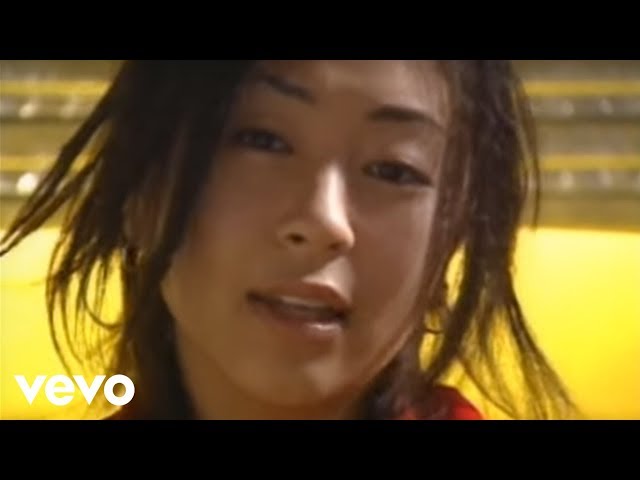
Utada Hikaru’s debut single stylishly expresses the feeling of overflowing love that can’t be contained just by being near someone.
It portrays the pure emotions of waiting for the phone to ring and the sense of relief that comes from hearing the other person’s voice, vividly capturing the complex heart of a girl in love, where joy and anxiety intertwine.
Released in December 1998, the song was used as the ending theme for the variety show “Warau Inu no Seikatsu – YARANEVA!! -” and quickly became a social phenomenon, achieving double-million sales.
The gals of the time surely resonated with its raw, authentic emotions.